dk@dkoutsource.com


The global construction industry is at a critical crossroads. As cities get bigger and urban populations grow, the environment has become one of the largest contributors to global carbon emissions as well as resource depletion. In observing this change, developers, stakeholders, and governments around the world are demanding a radical change toward sustainable design and circular construction. However, there is the question of: How can we afford to build green?
This is where the consultant quantity surveyor (QS) steps into the spotlight. Traditionally viewed as the financial guardians of construction budgets, modern consultant QS firms have transformed into the main orchestrators of sustainable development. By balancing economic viability with environmental responsibility, they ensure that modern eco-friendly designs don’t simply remain theoretical, but actually get built within budget.
Defining the Modern Consultant Quantity Surveyor
At its core, a consultant quantity surveyor is a professional construction economist. Unlike contractors who manage costs from the perspective of the building company, a consultant QS works directly on behalf of the client. These include developers, corporate entities, and public sector bodies. Their primary responsibility is to manage the commercial, contractual, and financial risks of a project from beginning to final completion.
In a sustainable paradigm, their mandate expands significantly. A consultant QS no longer evaluates a project solely on its immediate capital expenditure (CapEx). Instead, they integrate environmental metrics alongside financial metrics, ensuring that every dollar invested contributes to long-term energy efficiency, carbon reduction, and compliance with strict green building standards.
Embedded from Day One: The Sustainability Workflow
The largest influence of a consultant quantity surveyor on sustainability is seen during the earliest phases of a project. During feasibility and strategic brief stages, choices regarding materials, structural systems, and energy infrastructures carry the highest impact on cost and carbon footprint.
- Life-Cycle Costing (LCC) Analysis: High-efficiency HVAC (Heating, Ventilation, and Air Conditioning) systems, triple-glazed building envelopes, and renewable energy grids may require higher upfront capital costs, which a consultant QS can evaluate using Life Cycle Costing (LCC), demonstrating their long-term value. By modeling operational expenditure (OpEx) over a 30- to 60-year lifespan, they show proof that the long-term energy and maintenance savings outweigh the initial premium.
- Embodied Carbon Quantification: Modern sustainability mandates require consideration of embodied carbon—the emissions generated during the manufacturing, transportation, and installation of building materials. Consultant QSs now use carbon accounting alongside cost estimation to help design teams select lower-carbon alternatives before procurement.
- Navigating Green Frameworks: To achieve global certifications like LEED, BREEAM, or regional equivalents requires meticulous documentation and strategic resource allocation. A consultant quantity surveyor helps clients understand the financial implications of achieving specific target tiers and ensure contracts guarantee that contractors comply with the necessary green standards.
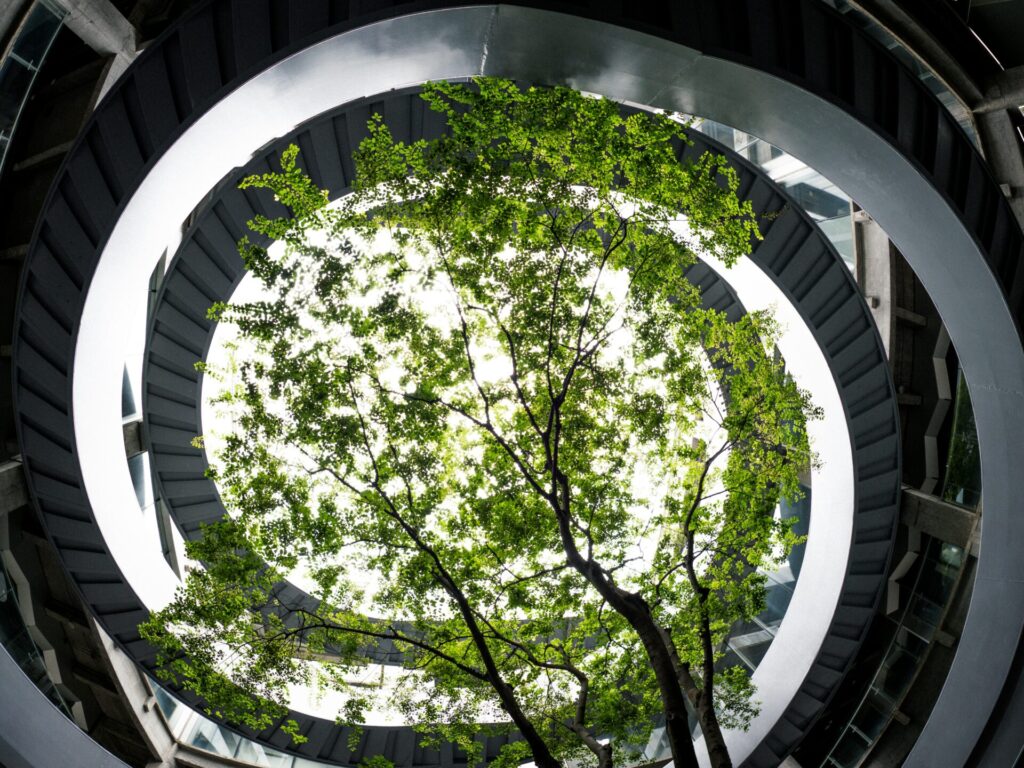
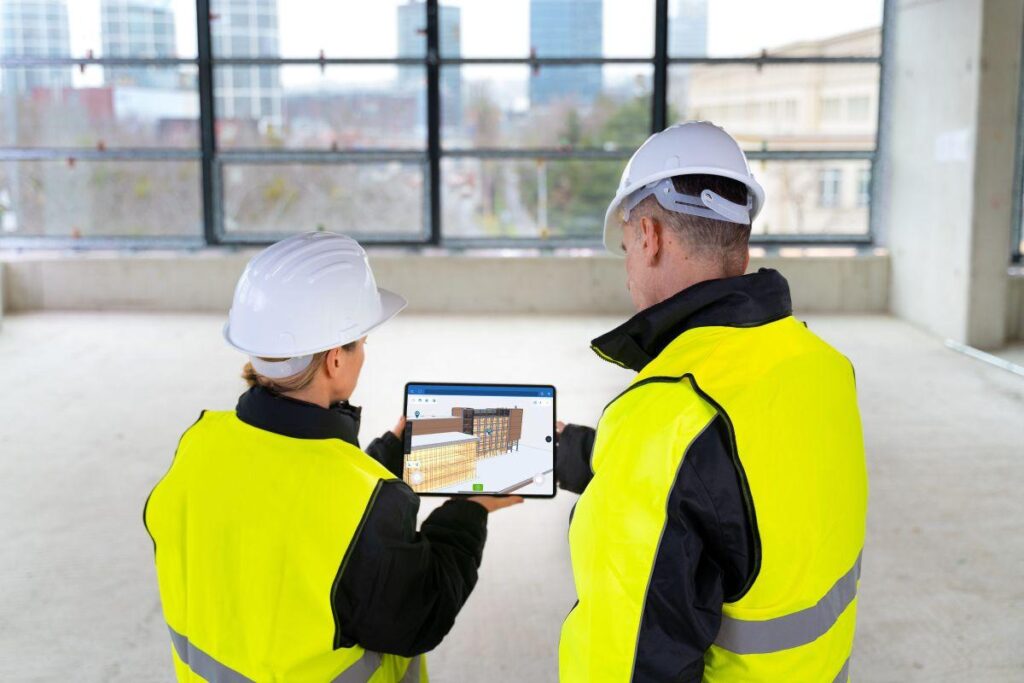
Picture by declan-sun on Unsplash
Risk Mitigation and Circular Economics
Sustainable construction comes with new risks, such as unreliable suppliers, changing environmental rules, and materials that may not meet green standards. A consultant QS helps manage these risks by creating contracts that set clear sustainability requirements, checking suppliers’ environmental practices, and ensuring materials meet carbon targets to prevent greenwashing.
Furthermore, as the industry moves toward a circular economy, consultant quantity surveyors are pioneering methods to value materials at the end of a building’s lifecycle. By planning for “design for deconstruction,” they help calculate the future salvage value of structural components, transforming potential demolition waste into future financial assets.
A Global Driving Force
From the cities rising across Europe, to massive eco-conscious infrastructure upgrades across North America and Asia, the demand for sustainable commercial development is universal. This shift is accelerated by new regulatory environments, where governments mandate strict carbon disclosures and energy audits. For developers navigating these shifts, a consultant QS provides the clear financial data necessary to satisfy both institutional investors and environmental watchdogs.
Ultimately, the role of a consultant quantity surveyor has transcended traditional accounting. They are the essential link that translates architectural ambition and ecological necessity into realistic, financeable, and high-performing real estate assets. By proving that sustainable buildings make sound business sense, they are helping build a greener future, one cost-efficient project at a time.
References
- BCA Green Mark Certification Scheme (Singapore) https://www1.bca.gov.sg/sustainability/greenmark/
- BuildSG – Quantity Surveyors & Cost Consultants (Singapore) https://www.buildsg.gov.sg/quantity-surveyors-cost-consultants/
- BCA Green Mark Directory (Singapore) https://www1.bca.gov.sg/sustainability/greenmark/green-mark-directory/
- World Green Building Council – Embodied Carbonhttps://worldgbc.org/advancing-net-zero/embodied-carbon/
- Royal Institution of Chartered Surveyors (RICS) – Whole Life Carbon Assessment https://www.rics.org/profession-standards/rics-standards-and-guidance/sector-standards/construction-standards/whole-life-carbon-assessment-for-the-built-environment