dk@dkoutsource.com

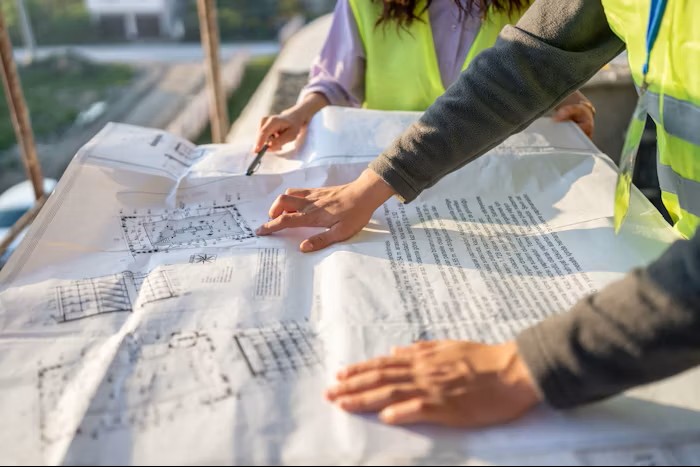
A construction project can look very different when viewed from a drawing compared with when standing inside the actual site. Plans may show proposed layouts, measurements and specifications, but an active construction site reveals the people, decisions and coordination required to turn those plans into reality.
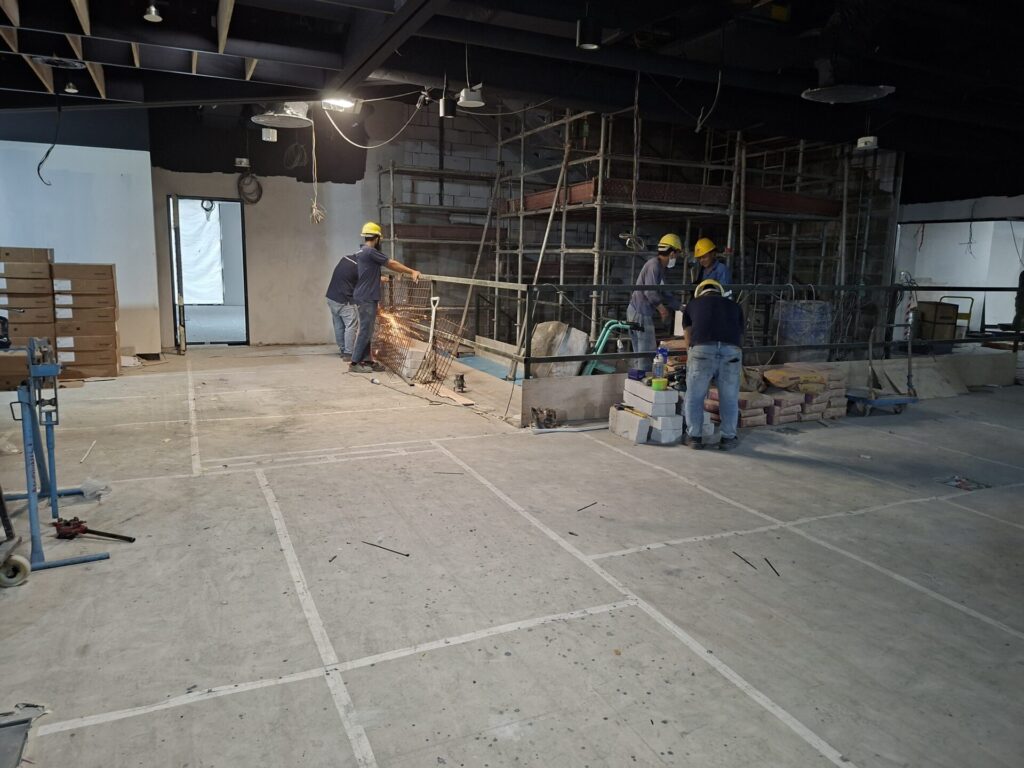
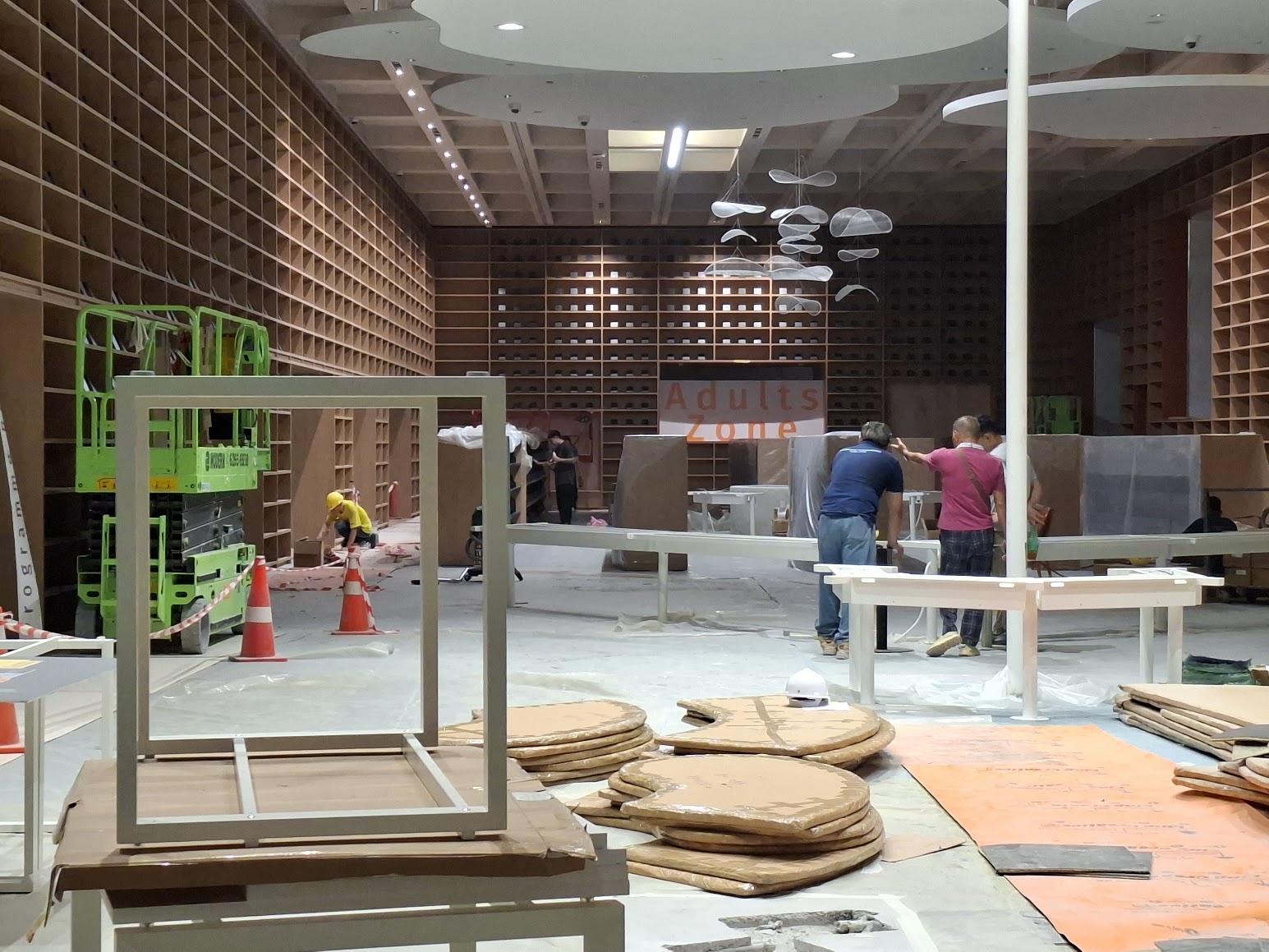
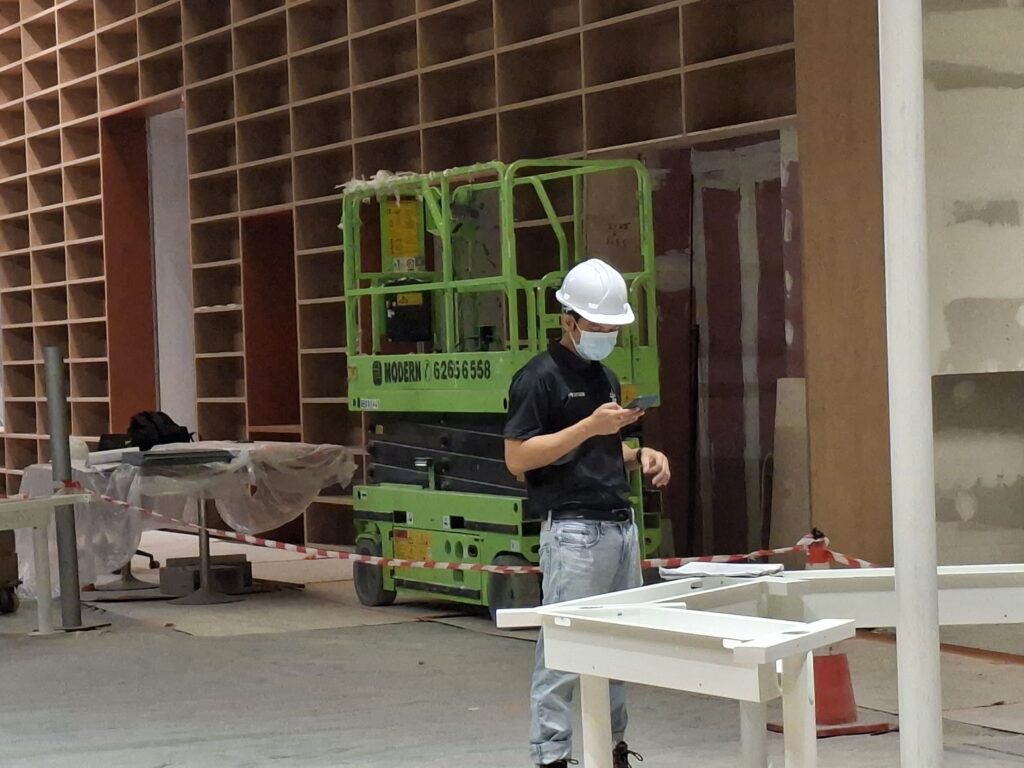
A recent site visit provided an opportunity to see this process up close. Workers were carrying out construction and renovation works while clients and planners discussed ideas for the space, including how the layout would be developed. The contrast between the blueprint and the physical work taking place on site showed how many decisions are involved in delivering a construction project.
Even entering the site provided a reminder that construction is a practical and highly controlled environment. A safety helmet was required before entering the working area, reflecting the importance of following site safety requirements while construction activities are underway.
Seeing Construction Plans Come to Life
One of the most noticeable aspects of the visit was seeing workers carrying out the physical work behind the plans. A layout on paper may appear simple, but implementing it can involve multiple trades, materials, measurements and construction activities. Changes discussed by clients and planners can also affect how work is carried out on site.
The interaction between the clients and planners demonstrated how the project continues to develop even after the initial plans have been prepared. Discussions about the layout and proposed ideas need to be considered alongside practical site conditions, available resources, construction sequencing and project costs.
This is where communication becomes particularly important. Decisions made during planning can eventually affect contractors and workers carrying out the work, making coordination between the different project stakeholders essential.
What Happens Behind the Construction Work
The site visit was followed by a planning meeting that provided another perspective on the project.
While the site demonstrated the physical side of construction, the meeting focused more closely on planning, timing and commercial considerations. The timing of the works was discussed as part of the wider coordination required to keep the project moving.
During the meeting, the consultant quantity surveyor explained the importance of variation orders (VOs) and provisional sums in construction contracts. A variation order can arise when the work required changes from the original scope. For example, a client may request a change to the layout or additional works that were not included in the initial contract. Although such a change may begin as a design or planning decision, it can have financial and scheduling implications.
The consultant QS plays an important role in assessing these changes and determining their potential impact on the contract value. This involves looking at the additional work, materials, labour and other relevant costs rather than treating a change as simply another item on a list.
Understanding Provisional Sums
The meeting also provided an explanation of provisional sums, which are allowances included in construction contracts for work or costs that cannot be fully defined or priced at the time the contract is prepared.
As construction progresses and the actual requirements become clearer, these allowances may need to be assessed against the work eventually carried out. For someone observing the process, this demonstrates why construction cost management requires continuous attention. The original contract may establish a financial framework for the project, but actual site conditions and client decisions can introduce changes as work progresses.
Connecting the Site with the QS Role
The combination of the site visit and planning meeting provided two very different views of the same construction project. On site, the focus was on physical progress: workers carrying out renovation and construction activities, the developing layout and discussions between clients and planners. In the meeting, the focus shifted towards timing, variations, provisional sums and the financial implications of project decisions.
A change discussed during a meeting can eventually become additional work on site. A decision about the layout can affect materials, labour and costs. Similarly, the progress of physical works can influence project valuations, variations and other aspects of quantity surveying services. This connection demonstrates why the role of a consultant quantity surveyor extends beyond working with numbers. Effective QS services require an understanding of the project, its scope, contractual requirements and the work taking place on site.
From Site Observation to Greater Understanding
A construction site shows the visible side of a project, while planning and QS discussions reveal much of the work happening behind the scenes. Seeing workers carry out the construction, observing clients and planners discuss the layout, and then hearing a consultant QS explain timing, variation orders and provisional sums provides a more complete picture of how a project is managed.
Ultimately, successful construction requires more than a well-designed plan. It depends on coordination between the people on site and those managing the project’s design, programme, contracts and costs. Every change, decision and stage of construction can have an impact on cost and time, making effective communication and cost control essential from planning through to completion.