dk@dkoutsource.com

When planning a construction project, focusing exclusively on the initial price tag can lead to expensive surprises down the road. While a lower upfront investment may seem attractive, ongoing expenses such as maintenance, repairs, energy consumption, and eventual replacement significantly impact the true cost of ownership. This is where Life Cycle Costing (LCC) becomes an essential tool, enabling stakeholders to make smarter, more cost-effective decisions by evaluating the total financial impact of a building or asset throughout its entire lifespan.
What is Life Cycle Costing?
“Life cycle costing is an economic method used to determine the total cost of owning, operating, maintaining, and eventually disposing of an asset over its entire lifespan.” – Tristian.com Dictionary
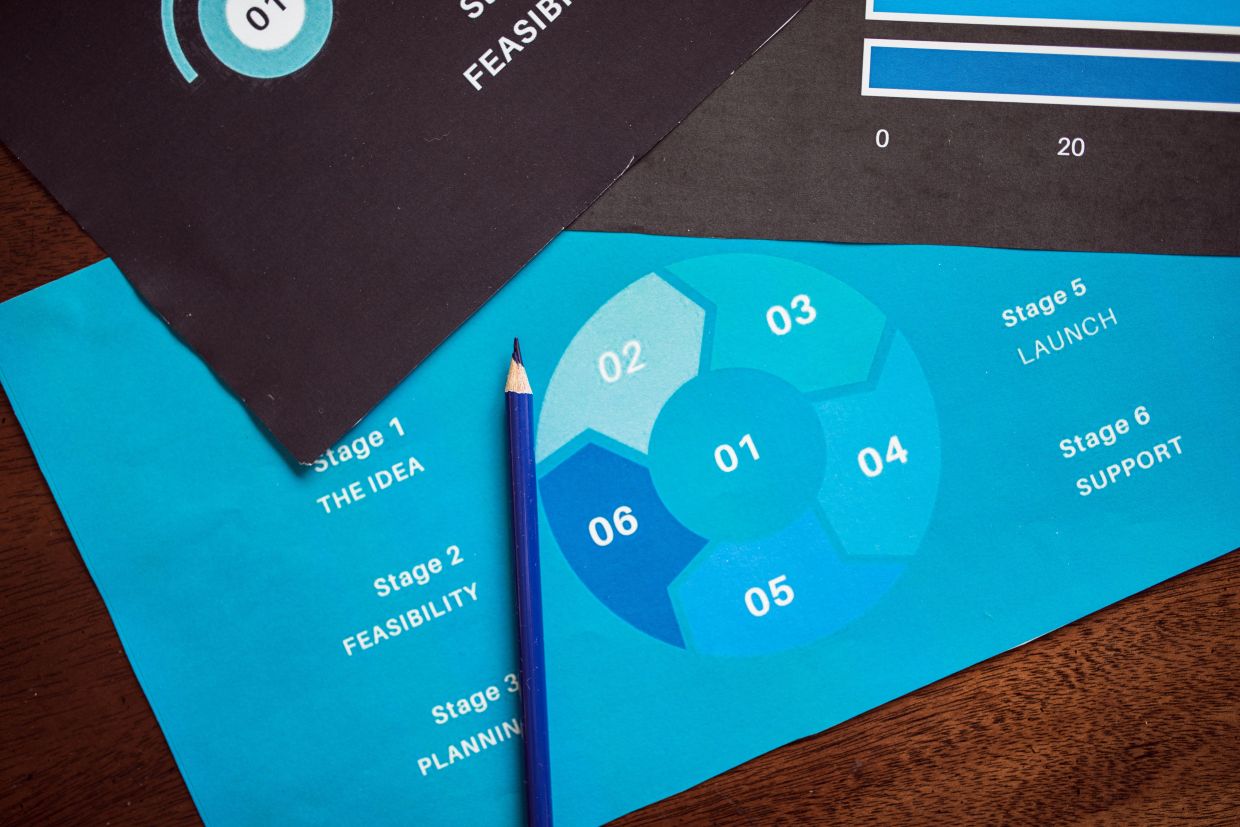
From its initial design and construction through to its operation, maintenance, replacement, and eventual disposal, life cycle costing is a comprehensive financial methodology used to calculate all costs associated with an asset. Typically utilized during the early planning and design stages, LCC allows construction professionals to compare different materials, systems, and design alternatives to ensure they are prioritizing long-term value over short-term savings.
The 5 Pillars of Life Cycle Costs
To provide a complete and accurate financial picture, LCC factors in several distinct cost categories:
- Initial Costs: All upfront expenses related to design, procurement, materials, labor, and the construction phase itself.
- Operating Costs: The day-to-day expenses required to run a facility, including energy consumption, utilities, and general facility operations.
- Maintenance Costs: The ongoing expenditures for routine inspections, servicing, preventive maintenance, and necessary repairs.
- Replacement Costs: The capital needed to swap out major building components that expire before the building itself, such as roofing systems, HVAC equipment, or lighting fixtures.
- End-of-Life Costs: The final expenses associated with demolition, material disposal, recycling, and site restoration once the asset reaches the end of its useful lifespan.
Why the Lowest Upfront Cost Isn’t Always the Cheapest
By considering future costs early in a project, stakeholders can avoid decisions that appear budget-friendly on day one but drain finances over time. For example, consider a developer choosing between two commercial roofing systems. The first option has a lower installation cost but requires frequent maintenance and a full replacement after 15 years. The second option requires a higher initial investment but boasts a longer lifespan and minimal maintenance. Over a 30-year period, the second system’s total cost of ownership could be significantly lower. LCC helps identify these hidden long-term savings, ensuring that investments are based on overall value rather than just the initial price tag.

Picture by Cyrill on Unsplash
The Strategic and Sustainable Benefits of LCC
Integrating life cycle costing into construction projects provides a much clearer view of financial performance and offers several critical benefits:
- Smarter Investment Decisions: By evaluating true ownership costs, teams can create more accurate budgets and long-term financial plans.
- Reduced Operational Expenses: Proactively selecting durable systems minimizes long-term maintenance and day-to-day operating costs.
- Enhanced Sustainability: As sustainability becomes a global priority, LCC naturally supports environmentally friendly construction practices. By justifying the higher upfront costs of energy-efficient HVAC systems or high-performance materials, LCC reduces long-term energy consumption and waste, seamlessly aligning financial goals with green objectives.
- Improved Asset Performance: A long-term perspective ensures materials and systems perform reliably throughout their intended service lives.
The Bottom Line
Life cycle costing is a powerful approach to construction cost management. By rigorously evaluating initial, operating, maintenance, replacement, and end-of-life costs, construction professionals can effectively balance upfront expenditures with ongoing ownership expenses. Ultimately, LCC provides the essential insights needed to move beyond simply building cheaply, empowering teams to construct highly efficient assets that deliver true long-term value.
References
- Royal Institution of Chartered Surveyors (RICS). (2025). Life Cycle Costing, 1st Edition. Available at: https://www.rics.org/content/dam/ricsglobal/documents/standards/Life-cycle-costing_1st-edition.pdf
- Cemex Ventures. (2024). A Complete Guide to Life Cycle Costing (LCC). Available at: https://www.cemexventures.com/life-cycle-costing-llc-what-is/
- ScienceDirect. (n.d.). Life Cycle Cost Analysis. Available at: https://www.sciencedirect.com/topics/engineering/life-cycle-cost-analysis
- Olatunji, O. A., & others. (n.d.). Life Cycle Costing (LCC) in Nigerian Construction Industry. Available at: https://scispace.com/pdf/life-cycle-costing-lcc-in-nigerian-construction-industry-53hsesbq4v.pdf