dk@dkoutsource.com

Summary: Artificial Intelligence (AI) is changing how quantity surveyors measure quantities, estimate costs and manage construction projects. While AI can automate repetitive tasks and improve efficiency, replacing quantity surveyors entirely is a different matter. This article examines how AI in quantity surveying is reshaping the profession, the skills future QS professionals will need, and why human expertise remains essential in construction cost management, particularly in Singapore and the wider global industry.
How Is AI Changing Quantity Surveying?
Artificial Intelligence (AI) refers broadly to computer systems performing tasks associated with human intelligence, such as recognising patterns, generating content and making predictions.
In quantity surveying, AI-assisted software can support activities throughout a project’s lifecycle:
- Automated quantity take-offs: Identify building elements from drawings or models and speed up measurement.
- Construction cost estimation: Analyse historical costs and project data to support estimates.
- Tender evaluation: Organise submissions, compare pricing and flag discrepancies.
- Contract administration: Extract clauses, summarise documents and organise project records.
- Cost monitoring: Highlight variances and potential overruns for further investigation.
These tools can reduce time spent on repetitive work, giving QS professionals more capacity for analysis, coordination and advice.
What Can AI Do—and What Still Needs a QS?
AI can process large amounts of information, but construction projects involve more than calculations. Drawings may be incomplete, specifications may conflict, and design changes may not appear consistently across documents.
| QS activity | AI can assist with | Human expertise remains important for |
| Quantity take-offs | Identifying and measuring elements | Checking scope, assumptions and omissions |
| Cost planning | Analysing data and benchmarks | Judging market conditions and project risks |
| Tender evaluation | Comparing prices and flagging differences | Reviewing exclusions and commercial implications |
| Contract administration | Finding clauses and organising records | Interpreting obligations and procedures |
| Claims assessment | Sorting evidence and identifying patterns | Assessing entitlement, causation and quantum |
Efficiency does not automatically mean accuracy. An automated take-off may be produced quickly, but professional checking is still necessary before quantities are relied on for tendering, certification or cost decisions.
Why Professional Judgement Still Matters
A quantity surveyor does more than measure quantities or prepare estimates. The role calls for commercial awareness, contractual knowledge, communication and professional judgement.
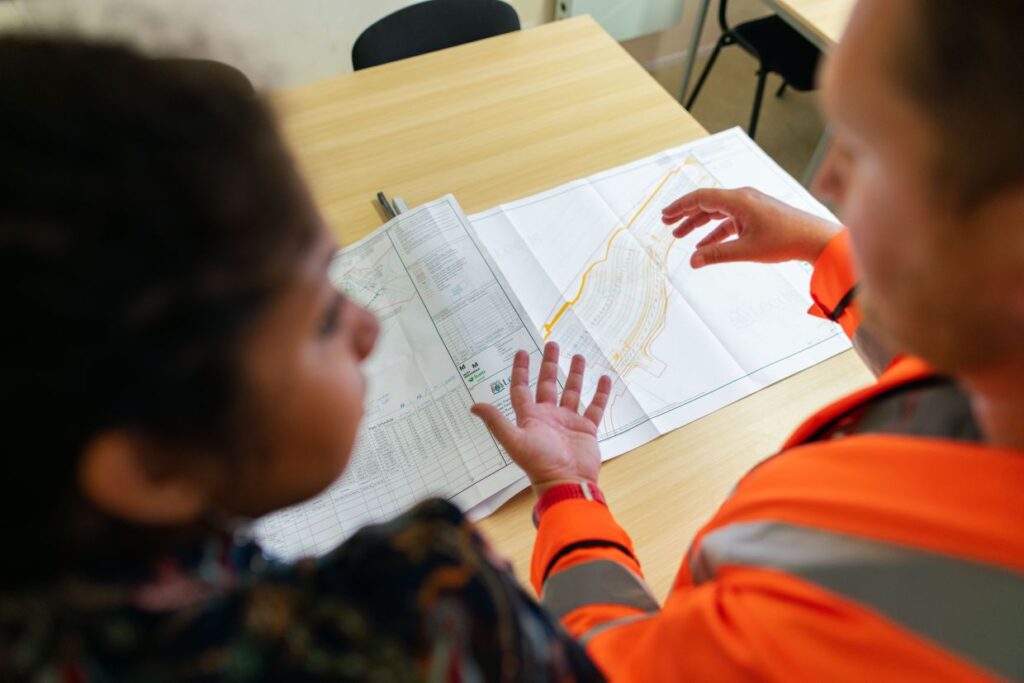
Consider a construction claim: a QS may need to assess contractual entitlement, procedural compliance, supporting records and the relationship between events and claimed costs. AI may help organise correspondence or compare programme information, but the output does not establish responsibility or prove causation by itself.
This is especially relevant to construction dispute resolution, where an incorrect assumption can carry financial consequences. -RCIS
The Royal Institution of Chartered Surveyors (RICS) emphasises that professional judgement remains important in AI-assisted surveying. Its guidance describes judgement through knowledge, skills, experience and professional scepticism. AI-generated output is a starting point; the surveyor must determine whether it can be relied upon.

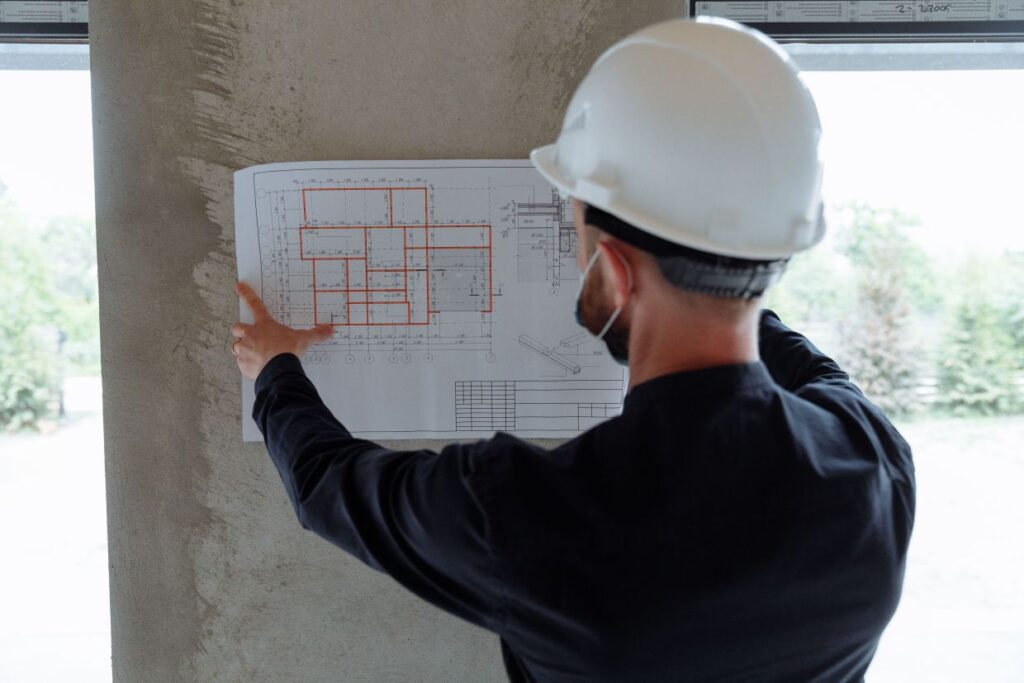
Picture by Tima Miroshnichenko on Pexels
What Does AI Mean for QS Professionals in Singapore?
Singapore’s built environment is pursuing digitalisation and productivity improvements, while similar changes are taking place internationally. AI adoption creates opportunities, but firms also face challenges such as skills gaps, information quality and integration with existing systems.
For QS professionals, future readiness means combining established expertise with digital capabilities. Skills worth developing include:
- AI literacy: Know what tools can and cannot reliably do.
- Digital measurement: Build confidence with BIM and take-off software.
- Data analysis: Interpret cost trends, benchmarks and project performance.
- Contractual expertise: Apply contract knowledge to payments, variations and claims.
- Critical thinking: Check assumptions, validate results and explain recommendations.
How Can QS Firms Prepare?
AI adoption should start with a clear business need—not simply the desire to use new technology. Firms can take three practical steps:
- Start with suitable tasks: Trial automation on repetitive, data-intensive work with measurable benefits.
- Set review procedures: Assign responsibility for checking AI-generated measurements, estimates and reports.
- Protect project information: Review confidentiality, security, intellectual property and access controls before uploading drawings, tenders or contracts to AI platforms.
Conclusion: AI-Assisted, Not AI-Only
AI will change quantity surveying by improving measurement, analysis and administrative efficiency. Some traditional tasks may require fewer manual hours, and the skills expected of QS professionals will evolve.
Yet construction projects still need people who can interpret complex information, understand contractual obligations, evaluate commercial risks and communicate clear recommendations. The future of quantity surveying services is likely to favour professionals who combine technical knowledge, experience and responsible technology use.
Frequently Asked Questions
Will AI replace quantity surveyors completely?
Answer: Not necessarily. AI may automate certain tasks, but professional judgement, contractual interpretation, commercial advice and client communication remain important parts of quantity surveying.
How is AI used in quantity surveying?
Answer: AI can assist with quantity take-offs, cost estimation, tender comparisons, contract document reviews, cost monitoring and project data analysis.
Will AI reduce demand for quantity surveyors?
Answer: The impact is uncertain and will vary across markets and organisations. Some tasks may require fewer manual hours, while demand may grow for professionals with digital, analytical and advisory skills.
Should quantity surveyors learn AI tools?
Answer: Yes. Developing AI literacy and digital measurement skills can help QS professionals improve productivity, evaluate outputs and adapt to changing industry expectations.
Can AI assess construction claims?
Answer: AI can help organise records, extract contract clauses and identify relevant information. However, assessing contractual entitlement, causation, responsibility and quantum requires careful professional review.
References
- RICS – Responsible Use of Artificial Intelligence in Surveying Practice https://www.rics.org/profession-standards/rics-standards-and-guidance/conduct-competence/responsible-use-of-ai
- RICS – Key Elements of the Professional Standard https://aemuat.rics.org/profession-standards/rics-standards-and-guidance/conduct-competence/responsible-use-of-ai/key-elements-of-the-professional-standard
- RICS – Responsible Use of AI: Standard PDF https://www.rics.org/content/dam/ricsglobal/documents/standards/Responsible-use-of-artificial-intelligence-in-surveying-practice_September-2025.pdf
- RICS – Responsible Use of AI Elevates Surveyors’ Professional Judgement https://www.rics.org/news-insights/responsible-use-of-ai-elevates-surveyors-professional-judgement
- RICS – Responsible Use of AI: surveying https://www.isurv.com/downloads/download/2380/responsible_use_of_artificial_intelligence_in_surveying_practice
- RICS – AI Professional Standard: Draft Glossary https://consultations.rics.org/AIstandard/viewCompoundDoc?docid=15792756&partId=15793044&sessionid=&voteid=