dk@dkoutsource.com


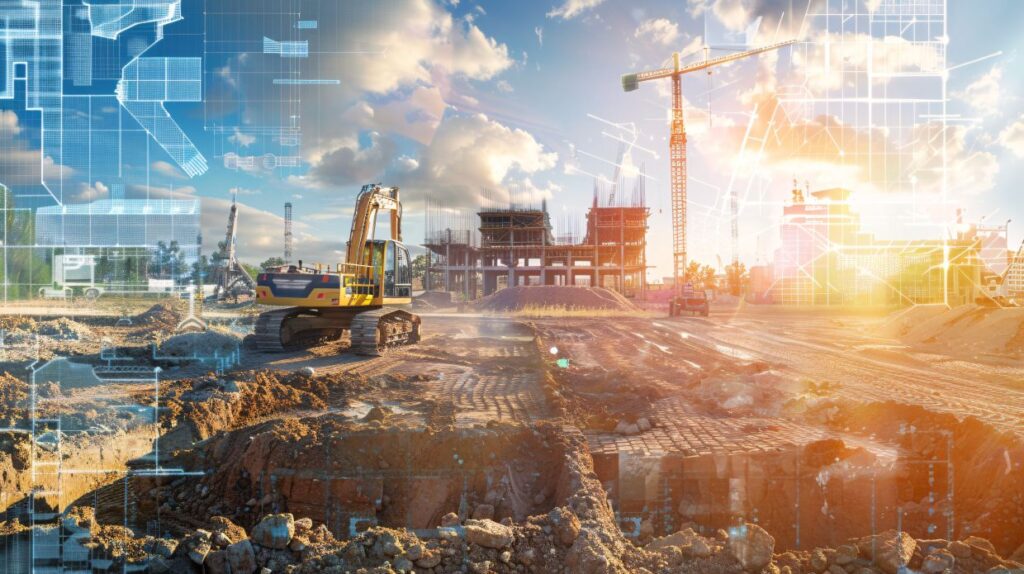
The construction industry in 2026 is heading through a time of significant transformation. Being driven by continuous upgrades in technology, sustainability requirements, rising project complexity, and workforce changes, construction companies are rethinking how they design, manage and complete projects.
Across the Singapore construction industry and the global built environment sector, companies are finding better solutions to improve productivity, control costs, manage risks, and achieve better project outcomes. Technologies such as artificial intelligence (AI), digital twins, automation, and Building Information Modelling (BIM) aren’t emerging concepts, but they still are important tools that currently help shape the future of construction. For developers, contractors, and consultant QS, understanding these trends is essential to making informed decisions and delivering projects with greater efficiency and value.
Artificial Intelligence Reshaping Construction Decision-Making
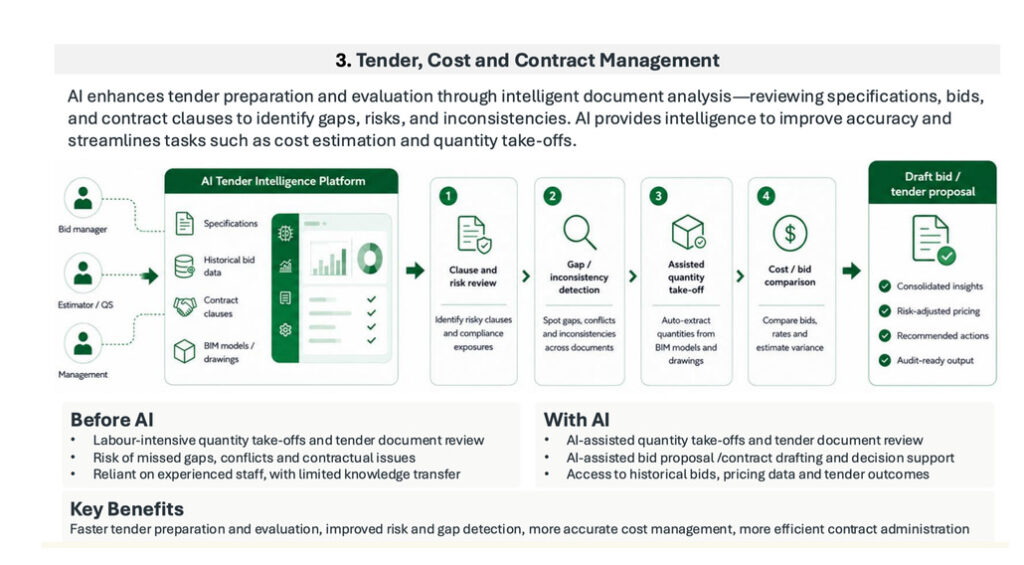
Artificial intelligence or AI, is one of the main technologies that’s transforming the construction industry in 2026. By analysing large amounts of project data, AI not only makes things easier but also helps construction teams make more accurate decisions.
AI-powered platforms are being used to spot potential project delays, optimise resource allocation, automate paperwork, and improve cost forecasting. These tools allow project teams to find solutions earlier and reduce the likelihood of costly disruptions and future disputes.
For consultant quantity surveyors, AI provides multiple opportunities to improve cost planning as well as other things like estimating accuracy, and analysing market trends more effectively. As construction projects get more complex making decisions based on data will become more important, for managing risks.
The Rise of Modular and Prefabricated Construction
Modular construction and prefabrication are becoming more popular as companies look for faster, more efficient methods of project delivery. Not all building components are manufactured in one place. Instead of completing all construction activities on-site,there are various material pieces that can be created in controlled environments before being transported and assembled at the project location.
This way of building has several advantages where some of these include improved quality control, reduced material waste, shorter construction timelines, and better cost predictability. It also helps address ongoing worldwide labour challenges by reducing the amount of manual work required on-site.
In Singapore, there are land constraints due to the country’s size. But even so, productivity challenges continue to influence the built environment sector because innovative construction methods such as prefabrication and Design for Manufacturing and Assembly (DfMA) are becoming increasingly important in improving project efficiency.
Digital Twins Enabling Smarter Project Management
Digital twin technology is changing how construction projects are planned, monitored, and managed. A digital twin creates a virtual representation of a physical building or asset, allowing project teams to analyse real-time information throughout the building lifecycle.
By integrating technologies such as Building Information Modelling (BIM), Internet of Things (IoT) sensors, and data analytics, digital twins provide greater visibility into project progress, performance, and potential risks.
For project stakeholders, this means improved collaboration, faster problem identification, and better decision-making. Beyond construction, digital twins also support building operations by helping owners monitor performance, improve maintenance planning, and maximise long-term asset value.
Sustainability Driving the Next Generation of Construction
Sustainable construction has become a major priority for the construction industry in 2026. With increasing focus on reducing carbon emissions, improving energy efficiency, and meeting environmental targets, companies are turning to greener approaches throughout their project lifecycle.
Construction firms are looking for low-carbon materials, renewable energy solutions, waste reduction strategies, and environmentally responsible construction practices. In recent years, sustainability is no longer viewed only as an environmental responsibility. However, it’s now something that influences project value, operational efficiency, and long-term cost savings.
Sustainability is shaping the future of the built environment in Singapore with developers and construction professionals placing greater emphasis on green building standards as well as responsible resource management.
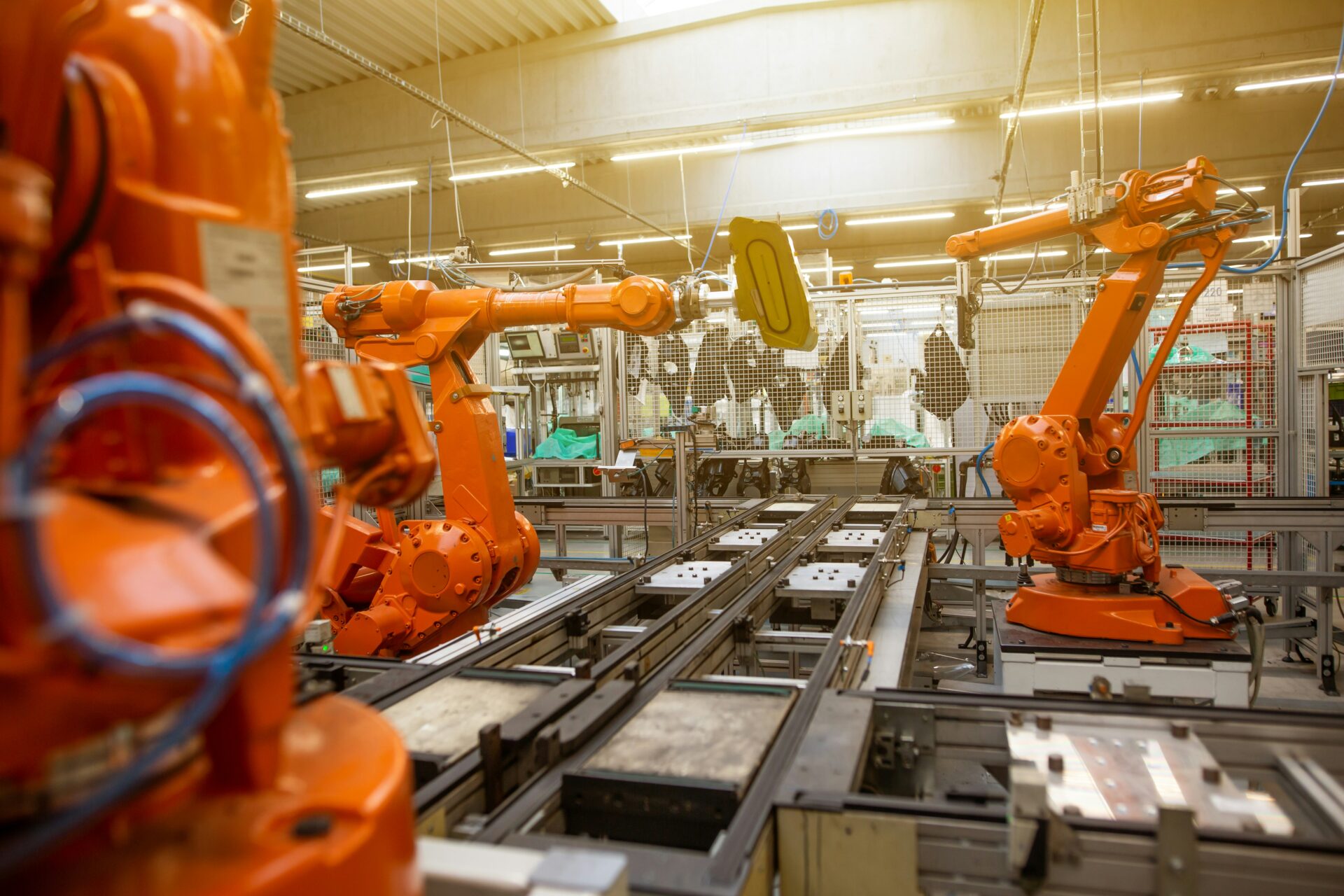
Picture by simon-kadula on Unsplash
Automation and Robotics Improving Construction Productivity
Automation and robotics are giving construction companies “extra hands” that don’t get tired. Tools like drones, self-driving machines, and robots are being used to do jobs that are repetitive, time‑consuming, or risky for people.
These solutions improve accuracy, enhance workplace safety, and allow teams to complete tasks more efficiently. As labour shortages continue to affect the construction sector, automation provides an opportunity to support workers while improving the overall project performance. Automation is not replacing workers. Instead it’s actually making construction easier and more efficient. This then means this is where professionals can focus on higher-value activities.
Smart Buildings and Connected Technologies
People want smarter buildings which are influencing how construction projects are designed and delivered. Modern buildings are increasingly incorporating connected systems that monitor energy consumption, security, indoor conditions, and overall building performance.
Through smart technologies and IoT integration, building owners can improve operational efficiency, reduce maintenance costs, and create better environments for occupants. As expectations for building performance continue to increase, construction companies must consider that there are digital infrastructure and long-term operational requirements from the early stages of project planning.
The Evolving Role of Quantity Surveyors in 2026
As construction projects become more technologically advanced and complex, the role of the consultant quantity surveyor is evolving beyond traditional cost measurement. Modern cost consultants provide strategic value by supporting cost management, procurement planning, contract advisory, risk assessment, and financial decision-making throughout the project lifecycle.
Because there’s pressure to get projects done efficiently while managing sustainability goals and technological changes, consultant QS has an important role in helping clients achieve better cost certainty and long-term value.
Conclusion
The construction industry trends of 2026 reflect a sector undergoing major transformation. Digital technologies, sustainable practices, automation, and innovative construction methods are changing how projects are delivered across Singapore and the global built environment. Companies that embrace these changes will be better positioned to improve productivity, manage risks, control costs, and meet evolving client expectations.
As construction continues to become smarter, greener, and more connected, professionals across the industry—including quantity surveyors, cost consultants, developers, and contractors—will play a critical role in shaping the future of the built environment.
References
- Building and Construction Authority (BCA) – Singapore Construction Demand Outlook 2026 https://www.bing.com/search?q=”https%3A%2F%2Fwww1.bca.gov.sg%2Fabout-us%2Fnews-and-publications%2Fmedia-releases%2F2026%2F01%2F11%2Fsingapore-s-construction-demand-to-reach-between-s-47-billion-and-s-53-billion-in-2026″
- SAC Capital – Construction Sector Report 2026 https://saccapital.com.sg/research/construction-sector-2026-outlook
- Turner & Townsend – Global Construction Market Intelligence 2026https://www.turnerandtownsend.com/en/perspectives/global-construction-market-intelligence-report-2026/
- Autodesk – AI in Construction Trends 2026 https://constructionblog.autodesk.com/ai-in-construction-2026-trends/
- ITcon Journal – Digital Twins in Construction 2026 https://www.bing.com/search?q=”https%3A%2F%2Fwww.itcon.org%2F2026%2F07%2Fdigital-twins-in-construction-systematic-review”