dk@dkoutsource.com

Summary: The PDD Community Club at Punggol Digital District is a community facility designed to bring together technology, community and collaboration. This site visit looks at how the project is taking shape, from workers carrying out installations and measurements to coordinating with drawings and materials, while highlighting the role of consultant quantity surveyors in monitoring progress and keeping construction works on track.
Building a Community Space for the Future
A visit to the PDD Community Club at Punggol Digital District provided a practical view of how construction plans are translated into physical spaces. The PDD Community Club is designed as a futuristic hub that blends technology with community connection, creating a space where people of different ages and backgrounds can meet, work and participate in community activities.
The Community Club will feature co-working spaces and private pods for residents, students and freelancers, alongside versatile activity rooms that can support neighbourhood workshops, community meetings and digital literacy programmes. It will also include tech-infused gathering areas designed to introduce local residents to the digital economy and Smart Nation technologies, bringing technology and community engagement together within the same facility.
The Forward-Moving Digital District
The Punggol Digital District forms part of Singapore’s wider vision for a smart and future-ready economy, with JTC as its master planner and developer. The district brings together business, education, technology and community spaces, with the Singapore Institute of Technology (SIT) and the People’s Association among its partners. Designed by award-winning architectural practice WOHA, Punggol Digital District incorporates green corridors, communal gardens, natural ventilation and daylight as part of its sustainable approach to urban development.
The Community Club also connects with wider digital initiatives in PDD. The “People of PDD” inclusive digital project, co-developed with SIT, combines community art with digital technology. Residents and visitors can create personalised avatars, while QR codes incorporated into the physical PDD mural can reveal augmented reality (AR) overlays featuring community-generated figures.
From workers referring to blueprints and taking measurements to the coordination involved in monitoring project progress, the site offered a closer look at the many activities that contribute to delivering a construction project.
A Site in Progress
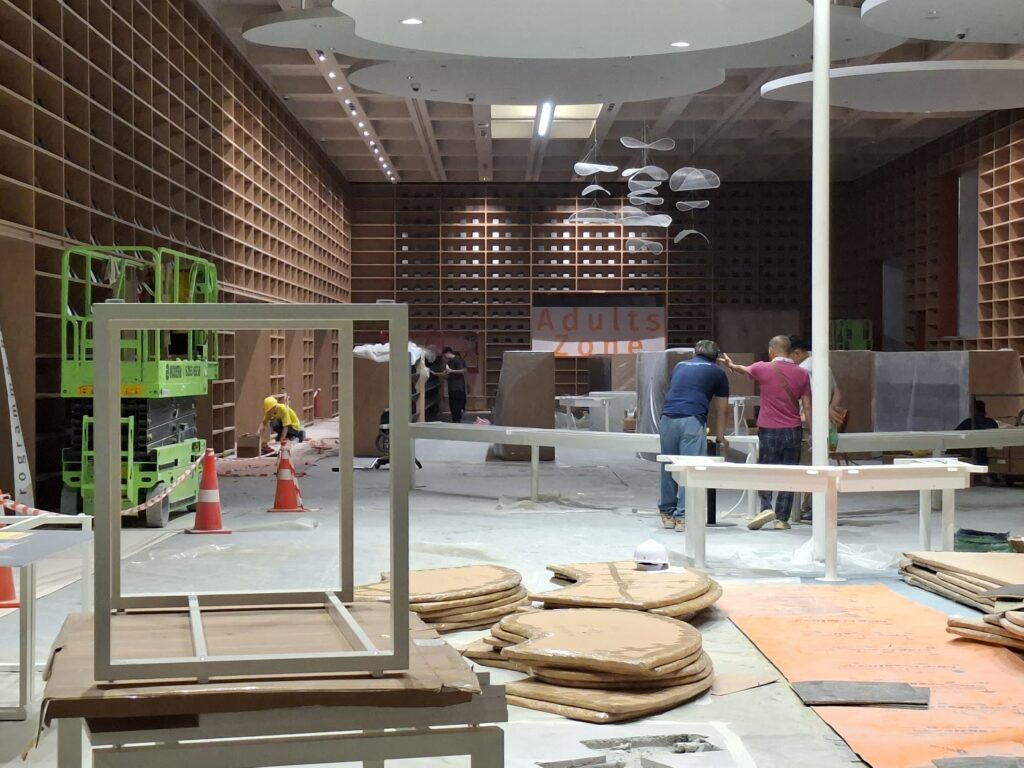
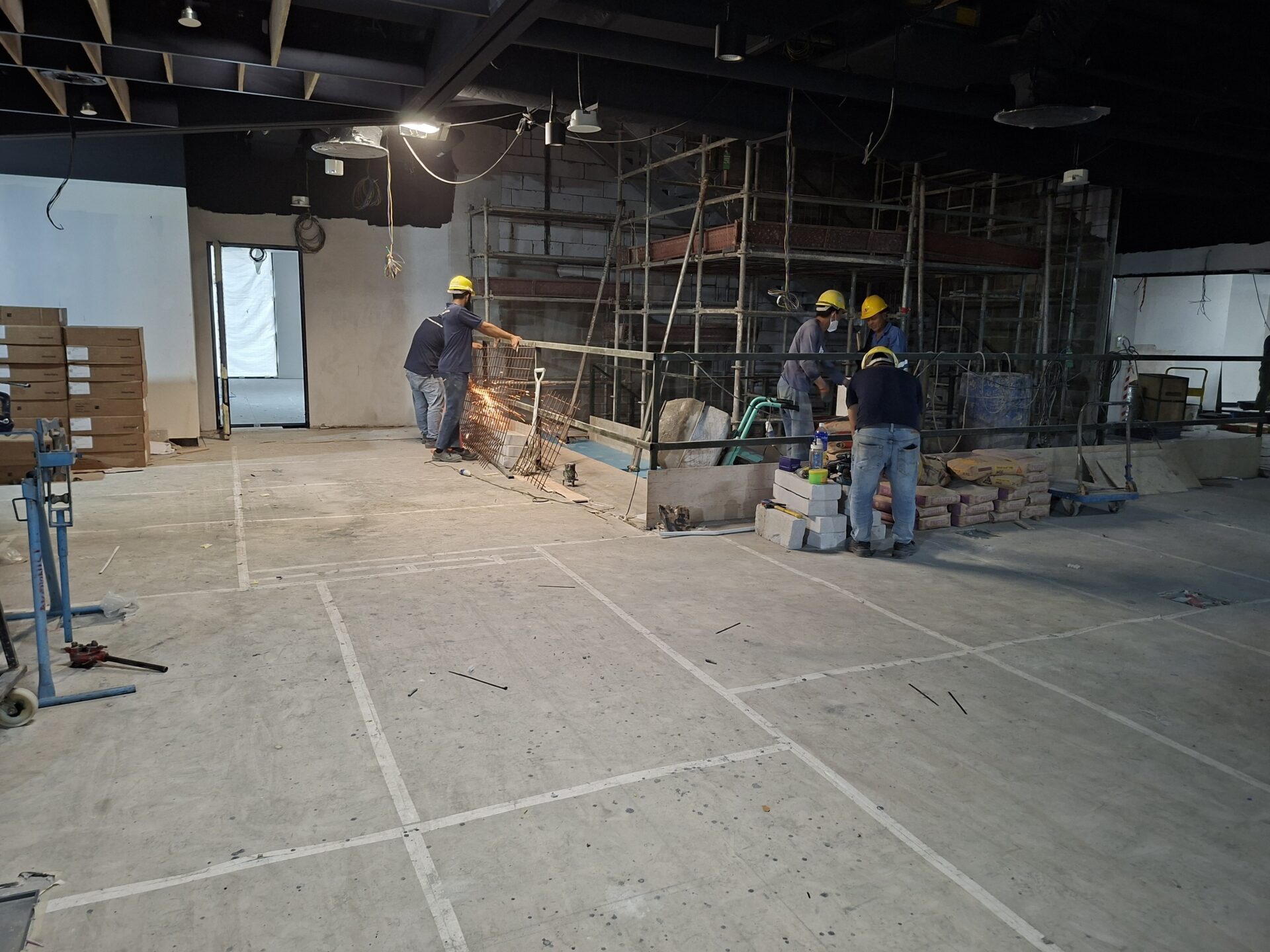
The site showed different stages of construction taking place at the same time. While some areas had completed works, other sections were still being built and fitted out.
Workers were carrying out lighting works, building up different sections and rooms, and taking measurements around walls and doorways. With several rooms across the facility, the works involved coordinating different tasks and requirements to keep construction moving. The activity on site demonstrated that progress is made up of numerous individual works, with each completed task contributing to the eventual functionality of the space.
From Blueprints to Physical Works
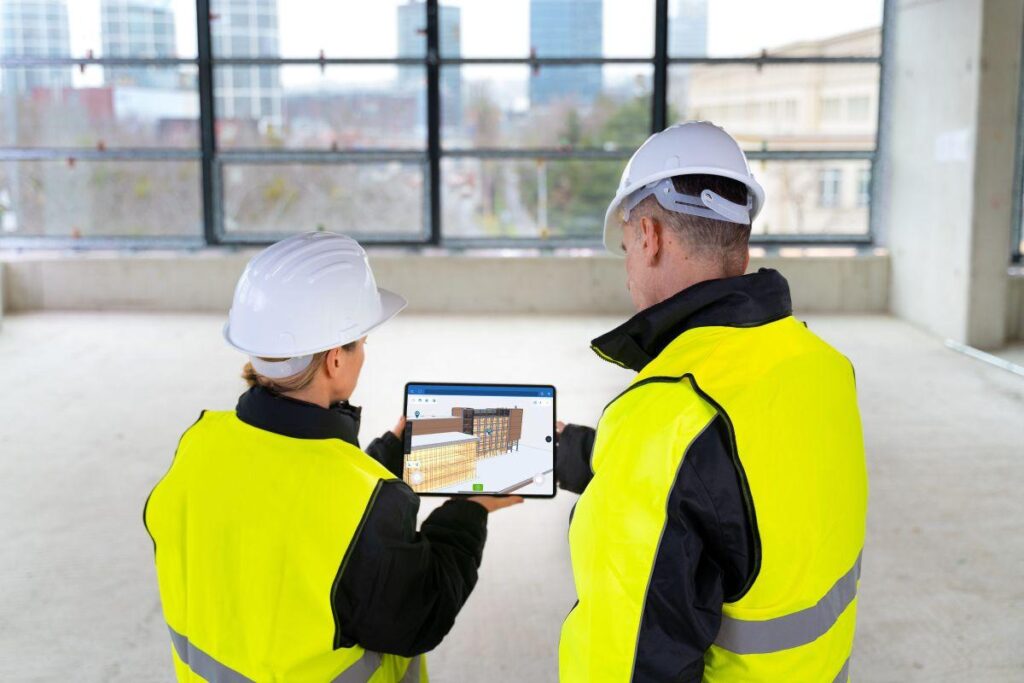
Blueprints were being actively used by workers throughout the site. Drawings provided the information needed to understand layouts, dimensions and construction requirements before work was carried out. Measurements around walls and doorways showed how important accuracy is during construction. Even relatively straightforward elements need to correspond with the intended dimensions and layout shown in the project documentation.
Workers were also collaborating closely while using tools, construction materials and equipment. This demonstrated the importance of communication and coordination between workers when multiple activities are taking place across the same site. The relationship between drawings and physical works was particularly evident. Plans may establish what needs to be constructed, but their successful implementation depends on accurate measurements, practical execution and coordination on site.

The Role of a Consultant Quantity Surveyor
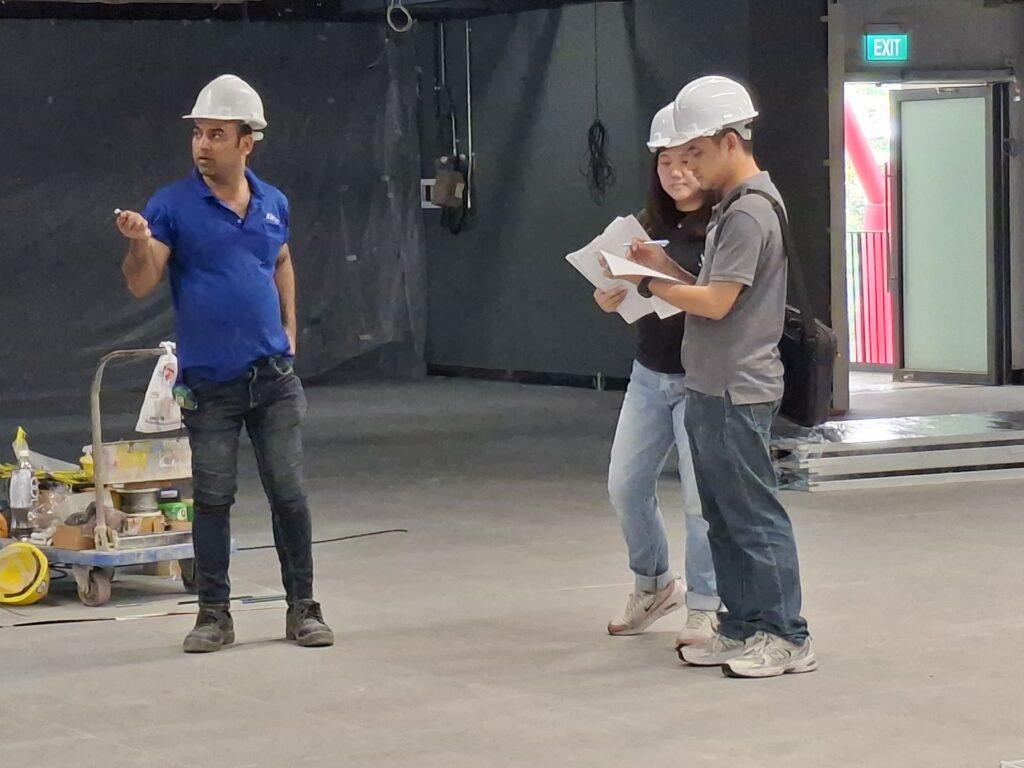
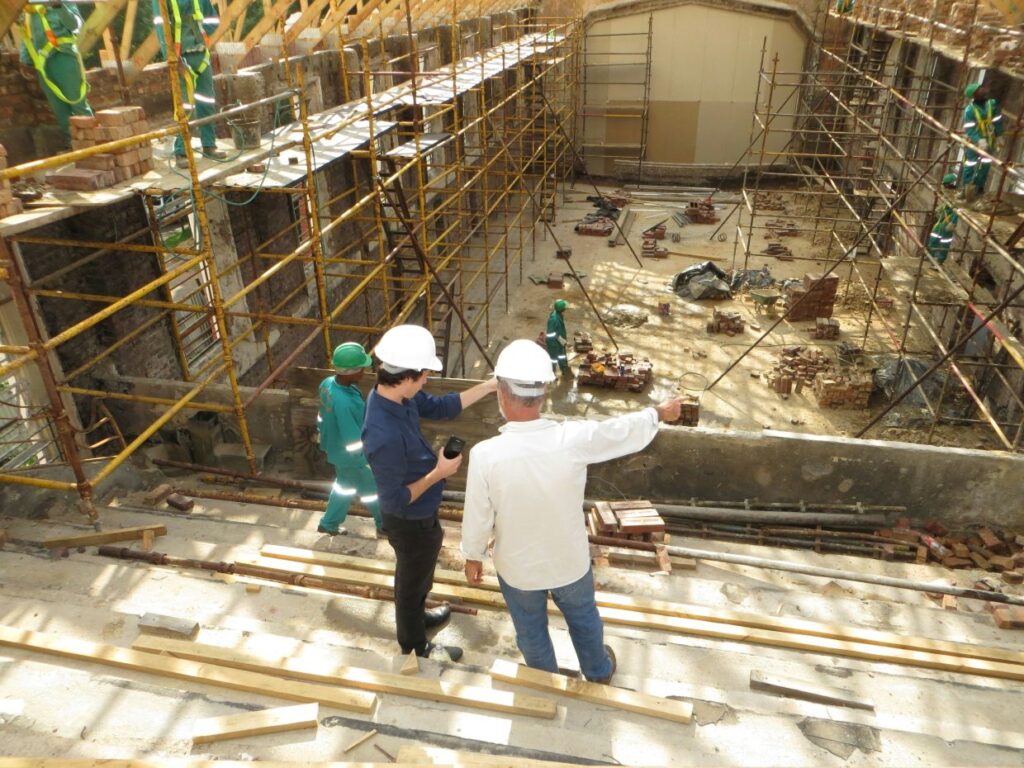
The role of the consultant quantity surveyor was another important part of the site activity. During the visit, a consultant quantity surveyor was seen discussing the project with two parties involved in the works. The discussion covered what had already been completed, the pace of progress and whether the works were remaining on schedule.
This provided a practical example of how quantity surveying extends beyond cost calculations and measurement. Understanding actual site progress is an important part of assessing what has been completed and communicating effectively with the parties involved in a project.
The discussion also demonstrated how site observations can complement information contained within project documents, schedules and other records. Physical progress on site needs to be considered alongside the commercial and contractual aspects of a project.
The Reality of an Active Construction Site
The site also reflected the practical realities of construction work. Dust was present throughout the working areas, while tools, construction materials and equipment were being used across different sections. Also, despite the busy environment, workers continued referring to drawings, coordinating with one another and carrying out their respective tasks. This offered a clear reminder that construction involves many moving parts. Progress depends not only on the physical work being carried out, but also on communication, accurate information, measurements, materials and coordination between the different people involved.
The conditions also highlighted the importance of maintaining a well-coordinated working environment while different trades operate within the same space. Managing these activities effectively helps ensure that work can continue safely and efficiently as the project progresses.
Connecting Plans, People and Progress
The facility demonstrated how different elements of construction come together throughout a project. Completed works, ongoing installation, measurements, drawings and progress discussions were all taking place within the same working environment.
The site visit provided a practical perspective on how construction plans become physical spaces and how the work of different trades and project professionals contributes to that process. It also demonstrated the importance of site coordination, progress monitoring and quantity surveying in keeping construction works aligned with project requirements and schedules.
Ultimately, a completed building is the result of many individual activities coming together. Behind every finished room, doorway and lighting installation are measurements, drawings, materials, skilled workers and project professionals working together to move the project from plans towards completion.
References
JTC. Punggol Digital District https://www.jtc.gov.sg/punggoldigitaldistrict/about
Punggol Digital District. Community Club https://www.punggoldigitaldistrict.sg/community-club