dk@dkoutsource.com


Sustainability is no longer simply an optional environmental objective in the construction industry. Across global markets, employers, contractors, consultants, and developers are increasingly expected to meet stringent environmental, social, and governance (ESG) commitments alongside traditional requirements for cost, time, quality, and safety. As these ESG commitments transition into binding contractual obligations, they naturally introduce new areas of potential conflict and commercial risk.
Environmental, social, and governance (ESG) refers to a framework for considering an organisation’s environmental impact, social responsibilities, and governance practices. -IBM
In Singapore, the Building and Construction Authority’s (BCA) Green Mark 2021 scheme places a much greater emphasis on energy performance, embodied carbon, resilience, maintainability, smart technologies, and healthier environments. Projects are required to provide robust documentary evidence and, where applicable, undergo strict verification to prove that committed sustainability measures have been successfully implemented. This shift raises a critical commercial question for all construction parties: what are the legal and financial consequences when these sustainability requirements are not achieved?
Embodied carbon refers to the greenhouse gas emissions associated with the materials and construction processes of a building, including emissions arising from the extraction, manufacture, transportation, installation, replacement and disposal of materials. -BCA
When Sustainability Becomes a Contractual Obligation
Green building requirements are increasingly incorporated directly into tender documents, technical specifications, employer’s requirements, and formal construction contracts. These provisions may mandate:
- Achieving a specific BCA Green Mark rating (e.g., Gold, Gold Plus, or Platinum).
- Meeting precise energy-efficiency targets.
- Reducing embodied carbon to specified limits.
- Sourcing specific environmentally certified materials or providing extensive sustainability-related documentation.
Once these targets are written into the contract, a failure to achieve them is no longer just a certification issue—it could constitute a material breach of contract.
A major challenge is that sustainability clauses are often not drafted with the same administrative precision as traditional engineering or physical specifications. Vague, subjective phrases such as “using best efforts,” “environmentally responsible materials,” or “sustainable construction practices” introduce substantial commercial uncertainty if the contract fails to define exactly how compliance will be measured and verified.
Internationally, this is a rapidly growing risk; poorly defined performance targets, divided responsibilities, and unclear consequences for failing to achieve certification frequently spark complex construction disputes.
Green Mark Disputes: Employers vs. Contractors
Green Mark disputes typically arise from a mismatch in expectations between the employer and the contractor regarding certification outcomes. An employer may expect the contractor to deliver a guaranteed certification rating, whereas the contractor may argue that achieving the certification depends on factors entirely outside of its physical control.
For instance, a contractor might execute the physical works perfectly in accordance with the approved drawings and specifications, yet the project may still fail to achieve its Green Mark target due to:
- Flawed design assumptions or energy modelling.
- The operational performance of specialist HVAC or mechanical systems.
- Subsequent design changes or variations instructed by the employer during construction.
THE CERTIFICATION RESPONSIBILITY GAP
| Employer’s Stance | Contractor’s Defence |
| • Expects guaranteed certification
• Holds contractor responsible for the ultimate ESG outcome |
• Completed physical works exactly in accordance with design
• Cites external factors (design assumptions, variations) |
This tension underscores why contracts must explicitly define who holds responsibility for design, certification submissions, testing, documentation, verification, and any required rectification works. Because the BCA Green Mark process relies heavily on structured assessments and documentary verification, establishing a clear allocation of responsibility is paramount.

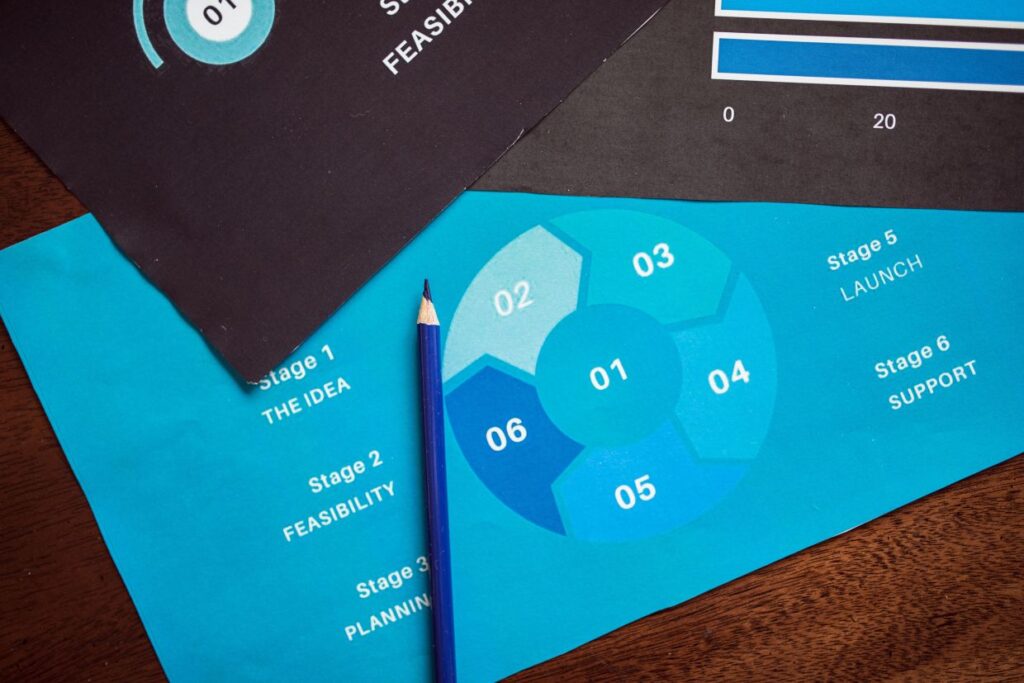
Picture by Amina Atar on Unsplash
ESG Disputes and Termination Risks
The commercial risks of sustainability extend far beyond Green Mark ratings. ESG disputes can encompass:
- Specific carbon reduction targets.
- Responsible sourcing of sustainable materials.
- Worker welfare and fair labour standards.
- Environmental reporting, carbon tracking, and waste management.
- Corporate governance requirements.
If a contractor fails to meet a defined ESG obligation, an employer may seek to withhold progress payments, demand expensive rectification works, or, in severe cases, terminate the contract. However, termination is a high-risk response that must be handled with extreme caution. Wrongful termination can expose an employer to substantial financial damages if the alleged ESG breach is found not to constitute a valid contractual termination event, or if the contract’s mandatory notice and cure procedures were not strictly followed.
Conversely, contractors must protect themselves from scope creep. An employer’s instruction to elevate a certification standard or substitute materials post-contract can have significant implications for project cost, construction time, and design liability. Ultimately, the critical legal question is not just whether a target was missed, but who contractually assumed the risk of that failure from day one.
Proactive Risk Mitigation Strategies
To prevent sustainability-related disagreements from escalating into destructive legal disputes, project teams should adopt the following contractual safeguards:
- Draft Clear, Measurable Targets: Avoid vague language. Define the exact certification standards (e.g., Green Mark 2021) and establish clear, quantifiable metrics for compliance.
- Allocate Responsibility Expressly: Clearly define which party is responsible for energy modelling, material sourcing, document submissions, and verification tests.
- Maintain a Contemporaneous Evidence Trail: Keep a flawless documentary record of all material certifications, test results, design submissions, sustainability reports, site instructions, and related correspondence. This documentation serves as vital evidence if a claim arises.
- Incorporate Tiered Dispute Escalation: Establish structured pathways—such as executive negotiation, mediation, or statutory adjudication—to resolve issues before resorting to formal arbitration or litigation.
- Engage Technical Experts Early: Complex sustainability disputes often require specialized technical experts who deeply understand energy modelling, carbon calculations, certification frameworks, and green construction methodologies.
This proactive approach is especially critical in Singapore, where certain Government Land Sales (GLS) developments are bound by mandatory higher standards, such as achieving Green Mark Platinum Super Low Energy with a Maintainability Badge. Similar strict regulations are rapidly emerging globally through modernized contractual and procurement standards.
Conclusion
Ambitious environmental, social, and governance objectives must be matched by equally robust, clear contractual frameworks. Sustainability should never be treated as an administrative afterthought that only receives attention when a project descends into conflict. Employers must avoid imposing blanket certification outcomes without defining how those targets will be achieved and who manages the associated risks. Similarly, contractors must carefully negotiate and define their sustainability liabilities before signing the contract. By clearly allocating ESG risks and establishing proportionate dispute escalation pathways, the construction sector can successfully design and build green assets while minimizing the risk of costly legal deadlocks.
References
- Building and Construction Authority (BCA) – Green Mark Certification Scheme https://www1.bca.gov.sg/sustainability/greenmark/
- Building and Construction Authority (BCA) – Green Mark Certification Scheme https://www1.bca.gov.sg/sustainability/greenmark/
- Building and Construction Authority (BCA) – Mandatory Higher Green Mark Standard for Government Land Sales https://www1.bca.gov.sg/sustainability/legislation-on-environmental-sustainability-for-buildings/new-buildings-and-existing-buildings-undergoing-major-additions-and-alterations/government-land-sales/
- BCA – Green Mark 2021 Certification Criteria (PDF) https://www1.bca.gov.sg/docs/default-source/docs-corp-buildsg/sustainability/20211028_certification-standard_r1-1.pdf
- BCA – Security of Payment Act https://www1.bca.gov.sg/growth-and-transformation/procurement/procurement-and-legal-frameworks/security-of-payment-act/