dk@dkoutsource.com


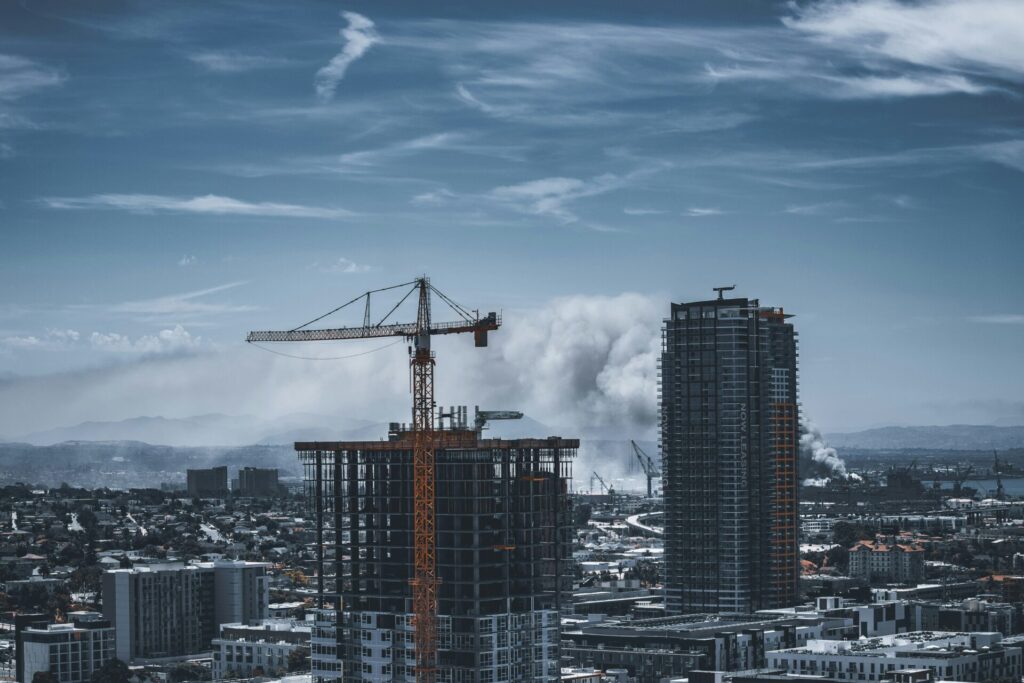
With rising concerns over climate change, governments worldwide are establishing ambitious carbon reduction targets and embedding green building regulations directly into construction policies. Because buildings account for approximately 40% of global energy-related carbon emissions, the built environment has become a critical focal point in global sustainability efforts.
Consequently, green building regulations are rapidly shifting from voluntary, market-driven initiatives to mandatory standards integrated into national building codes, urban development policies, and public procurement frameworks.
Green building regulations are requirements that set minimum environmental sustainability standards for buildings, covering areas such as energy performance and other aspects of environmental impact. -BCA
These evolving regulatory landscapes are driving positive, systemic transformation across every stage of the project lifecycle, while creating significant opportunities for proactive industry stakeholders.
How Green Regulations Are Transforming the Project Lifecycle
Meeting modern sustainability requirements forces project teams to rethink traditional planning, design, and execution methodologies:
- Design and Engineering Priorities: Architects and engineers must prioritize energy-efficient designs, renewable energy integration, and high-performance building systems from the earliest planning stages to ensure regulatory compliance.
- Evolution of Material Selection: There is a rapidly growing market demand for low-carbon construction materials, recycled products, and environmentally responsible solutions that align with strict regulatory standards and green building certifications.
- The Power of Digital Technology: Advanced tools like Building Information Modelling (BIM), digital twins, and energy simulation software have become indispensable, helping project teams accurately assess building performance, streamline compliance, and optimize overall project efficiency.
- Heavy Investment in Workforce Development: As environmental regulations grow more complex, organizations are investing heavily in training their workforces, equipping professionals with specialized expertise in energy efficiency, carbon reduction, sustainable materials, and environmental compliance.
Navigating Compliance Challenges and Finding Value
Transitioning to green building standards does present real obstacles, particularly regarding higher upfront costs and the limited availability of sustainable materials. Smaller contracting and development firms may also face resource constraints when trying to adapt to these highly technical and rapidly changing requirements.
However, forward-thinking organizations are discovering that the long-term benefits far outweigh the initial implementation hurdles.
Investing in sustainable practices delivers:
- Substantial Operational Savings: High-performance systems dramatically lower ongoing utility and energy consumption costs over the building’s lifecycle.
- Improved Asset Value: Certified green buildings command higher market premiums and enjoy stronger long-term asset appreciation.
- Enhanced Market Competitiveness: Achieving compliance early positions developers as preferred partners for public procurement and attracts environmentally conscious investors.
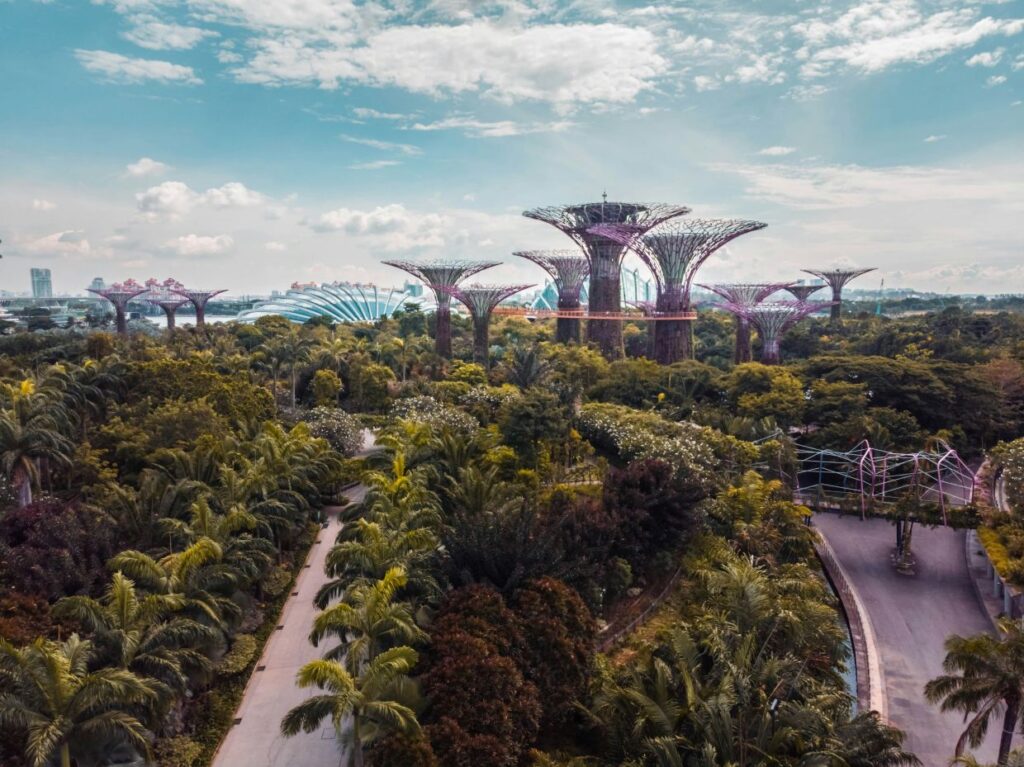
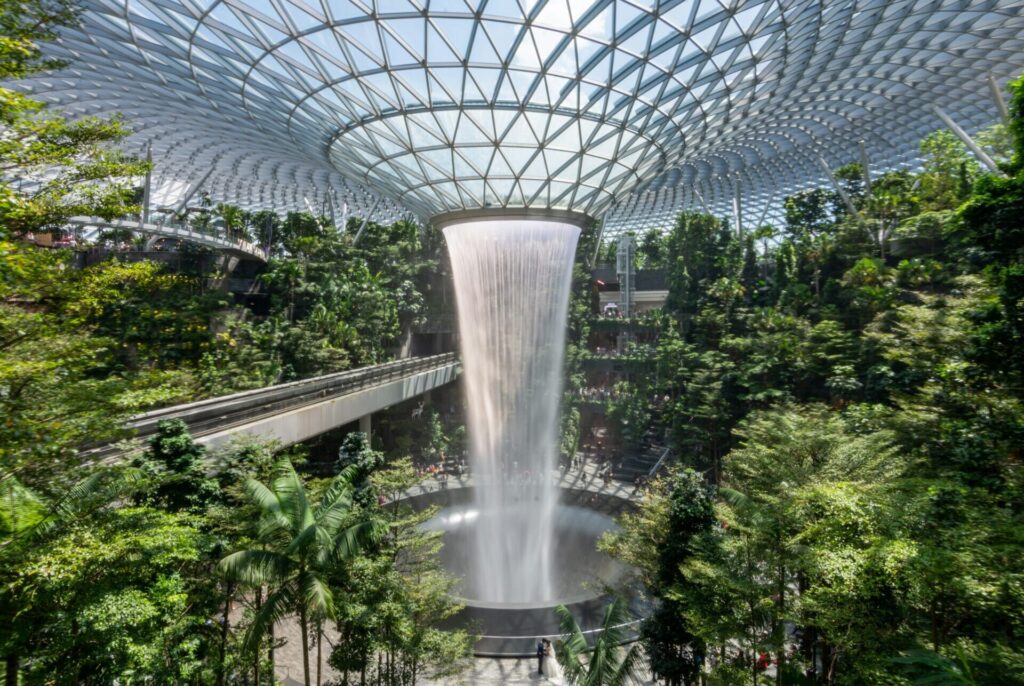
Picture by Victor on Unsplash
Looking Ahead: The Next Wave of Green Policy
As countries progress toward net-zero emissions targets and work to build climate resilience, green building regulations will become increasingly comprehensive. Future regulatory frameworks are expected to place a much stronger emphasis on:
- Embodied Carbon: Evaluating the carbon footprint of materials from extraction through manufacturing and transport, rather than just operational energy use.
- Circular Construction Practices: Championing material reuse, recycling, and waste reduction to minimize the industry’s environmental footprint.
- Smart Building Technologies: Leveraging IoT and automated systems to optimize real-time energy use and building performance.
The Bottom Line of Having Green Building Regulations
The rapid rise of green building regulations is permanently reshaping construction practices worldwide. For developers, contractors, and investors, staying ahead of these changing mandates is no longer just an environmental ideal—it is a commercial necessity for remaining competitive in a fast-moving market. By proactively investing in sustainable construction methods, advanced digital solutions, and specialized green expertise, firms can de-risk their pipelines, capitalize on new opportunities, and help lead the built environment toward a cleaner, more resilient future.
References
- Building and Construction Authority (BCA) – Green Building Masterplan
https://www1.bca.gov.sg/sustainability/sgbmp/ - International Energy Agency (IEA) – Buildings
https://www.iea.org/energy-system/buildings - World Green Building Council (WorldGBC)
https://worldgbc.org/ - European Commission – Energy Performance of Buildings Directive (EPBD)
https://energy.ec.europa.eu/topics/energy-efficiency/energy-performance-buildings-directive_en - U.S. Department of Energy – Building Energy Codes Program
https://www.energycodes.gov/