dk@dkoutsource.com


Public sector construction projects involve significant investment, complex contractual obligations and strict requirements for accountability. In Singapore, the Public Sector Standard Conditions of Contract (PSSCOC) provides a standardised contractual framework for public sector construction projects, with forms covering construction works, design and build, and smaller projects. BCA states that standardising contract terms increases familiarity among industry users, reduces tendering efforts and promotes greater efficiency in contract administration.
For contractors, employers and consultants, understanding how disputes are managed under PSSCOC is essential. Disagreements can arise over payment, variations, delays, certification, instructions or contractual responsibilities. Understanding the applicable dispute resolution mechanism can help parties protect their contractual rights while preventing disagreements from escalating unnecessarily.
What Is PSSCOC?
The Public Sector Standard Conditions of Contract (PSSCOC) is a standard form of contract used for public sector construction projects in Singapore. It establishes common contractual provisions and procedures covering areas such as contract administration, payment, variations, extensions of time, risk allocation and dispute resolution. -BCA
Although PSSCOC is specific to Singapore’s public sector construction environment, standard government construction contracts are also used internationally to provide clearer frameworks for procurement, risk allocation and dispute resolution. The specific procedures, however, depend on the contract form and jurisdiction.
BCA currently provides PSSCOC forms for construction works, design and build, and smaller projects, with supplementary documents, amendments and option modules available for particular project requirements.
What Are PSSCOC Disputes?
PSSCOC Dispute clauses are disagreements that arise from or connected with a PSSCOC contract, including disputes concerning instructions, determinations, certificates, valuations, payment, variations or other matters connected with the contract or execution of the works. -BCA
Under Clause 35.1 of the PSSCOC for Construction Works 2020, a dispute is first referred in writing to the Superintending Officer (SO) for a decision. The reference must state that it is made pursuant to the clause, with a copy sent to the other party. This makes the wording and form of a dispute notice important. A general complaint or disagreement may not necessarily satisfy the contractual requirements for a formal reference.
How Are PSSCOC Disputes Resolved?
Under PSSCOC, disputes generally follow a structured contractual process rather than proceeding immediately to arbitration or court.
Superintending Officer Decision: Under Clause 35.1, the SO must issue a written decision within 30 days after receiving the reference. The decision is final and binding unless either party exercises its right to refer the matter to arbitration.
Arbitration: If a party is dissatisfied with the SO’s decision, or the SO does not issue a decision within the 30-day period, Clause 35.2 allows the party to give notice of its intention to refer the dispute to arbitration within 90 days of the relevant decision or expiry of the decision period.
Mediation: Clause 35.6 requires parties to consider formal mediation before arbitration or court proceedings. However, the clause does not impose a legal obligation on either party to participate in mediation.

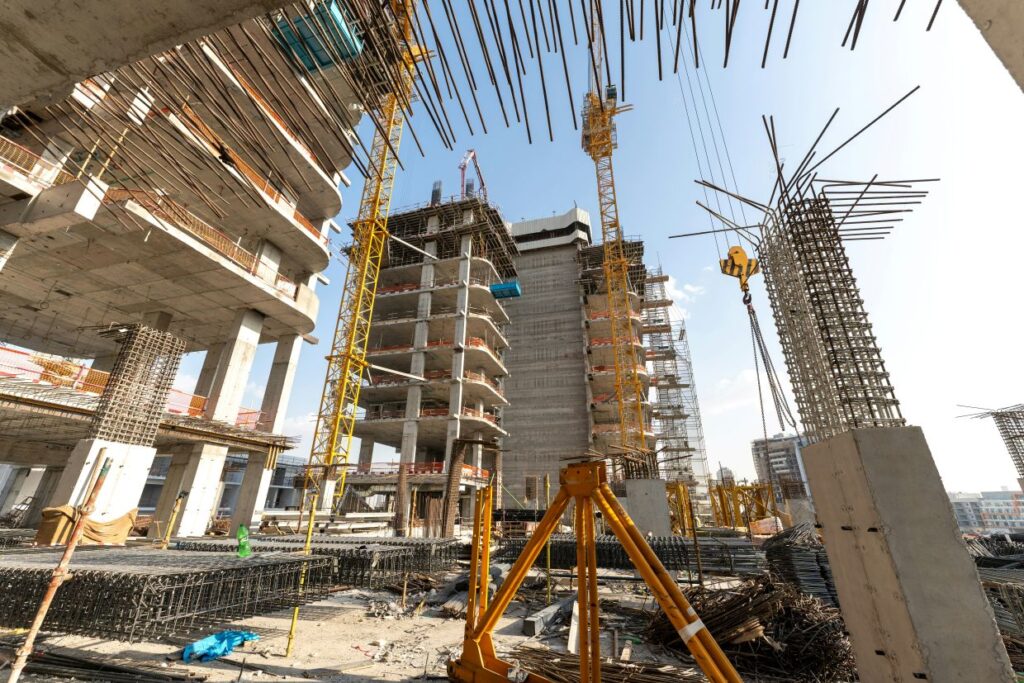
Picture by Mikhail Nilov on pexels
Common Causes of PSSCOC Disputes
Common Areas of PSSCOC Dispute Clauses: Variations, extensions of time, payment, contractual instructions, certification and termination are among the areas where disagreements can develop during construction.
| Issue | Potential Source of Dispute | Useful Project Records |
| Variations | Scope, valuation or entitlement | Instructions, quotations and valuation records |
| Extension of time | Responsibility for delay | Programme updates, delay notices and correspondence |
| Payment | Amount certified or payable | Payment claims, responses and certificates |
| Instructions | Scope or contractual interpretation | Written instructions and responses |
| Certification | Assessment or valuation | Certificates, measurements and calculations |
| Termination | Alleged contractual default | Notices, correspondence and supporting records |
For project teams, maintaining these records is more than an administrative exercise. Documentation can become critical evidence if a contractual disagreement develops into formal proceedings. Variations may lead to disagreements over whether additional work falls within the original scope, how work should be valued or whether additional time is justified. Delay disputes can involve competing arguments over responsibility, extensions of time and the effect of late instructions.
Payment disputes may concern the amount properly payable, valuation or certification. Termination disputes can raise questions about whether contractual grounds existed and whether the correct procedures were followed.
For this reason, project teams should maintain clear records of instructions, payment claims, responses, variations, programme updates, delay notices, certificates and correspondence. These records can become important evidence if a disagreement progresses into formal proceedings.
PSSCOC and Statutory Adjudication
Security of Payment Act provides statutory rights relating to progress payments and a fast-track adjudication process for eligible payment disputes. Adjudication as a quick and relatively low-cost process for resolving payment disputes. -BCA
The PSSCOC Construction Works 2020 recognises this interaction. Clause 35.5 provides that where a dispute involves a Payment Claim or Payment Response to which the Act applies, the Contractor is entitled to make an adjudication application under the legislation.
This means a payment dispute may involve both contractual procedures and statutory rights. Parties therefore need to consider the PSSCOC provisions alongside applicable legislation and deadlines.
Why Contract Administration Matters
Effective dispute management begins before a dispute reaches arbitration, mediation or adjudication. Parties involved in public sector construction contracts should understand their contractual obligations, maintain accurate records and comply with notice and procedural requirements.
The same principle applies beyond Singapore. Government construction contracts in other jurisdictions may use different standard forms and statutory regimes, but timely notices, accurate documentation and proper contract administration remain important to managing disputes.
Frequently Asked Questions About PSSCOC Dispute Clauses
What are PSSCOC disputes?
Answer: PSSCOC disputes are disagreements arising from or connected with a PSSCOC contract, including matters involving payment, variations, delays, instructions, certification and contractual decisions.
Can a PSSCOC dispute go to arbitration?
Answer: Yes. Under the PSSCOC Construction Works 2020, a party dissatisfied with the SO’s decision may refer the dispute to arbitration, subject to the applicable contractual requirements and deadlines.
Is mediation mandatory under PSSCOC?
Answer: No. Clause 35.6 requires parties to consider formal mediation before arbitration or court proceedings, but it does not legally require either party to participate in mediation.
Can payment disputes under PSSCOC be adjudicated?
Answer: Where the Security of Payment Act applies, eligible payment disputes may be referred to statutory adjudication in accordance with the Act.
Why is documentation important in PSSCOC disputes?
Answer:Records such as notices, instructions, payment claims, variations, programmes and correspondence can help establish contractual entitlement, project events and compliance with procedural requirements.
References
- BCA – Public Sector Standard Conditions of Contract (PSSCOC) https://www1.bca.gov.sg/growth-and-transformation/procurement/standard-contract-forms/public-sector-standard-conditions-of-contract-psscoc/
- BCA – PSSCOC for Construction Works 2020 https://www1.bca.gov.sg/docs/default-source/docs-corp-procurement/psscoc-for-construction-works-2020.pdf
- BCA – Standard Contract Forms and PSSCOC Dispute Clauses https://www1.bca.gov.sg/growth-and-transformation/procurement/standard-contract-forms/
- BCA – Security of Payment Act https://www1.bca.gov.sg/growth-and-transformation/procurement/procurement-and-legal-frameworks/security-of-payment-act/
- Singapore Statutes Online – Building and Construction Industry Security of Payment Act 2004 https://sso.agc.gov.sg/Act/BCISPA2004
- BCA – PSSCOC Amendments and Resources https://www1.bca.gov.sg/growth-and-transformation/procurement/standard-contract-forms/public-sector-standard-conditions-of-contract-psscoc/
- BCA Academy – Security of Payment Act Resources https://www.bcaa.edu.sg/