dk@dkoutsource.com

Summary: Defect Liability and Quality Disputes in Construction examines how poor workmanship, construction defects and quality issues can develop into costly contractual disputes. The article looks at defect liability periods, the importance of proper documentation and quality control, and the role of construction dispute resolution in addressing disagreements between project stakeholders. It also considers the Singapore context alongside broader international construction practices.
Construction defects can create problems long after the main works appear to be complete. Poor workmanship, unsuitable materials, installation errors and failures to follow specifications can lead to additional costs, programme disruption and disagreements over who should bear responsibility. This makes construction quality, defect management and a clearly defined defect liability period important parts of effective project management.
For contractors, consultants and clients, understanding how defects are identified, notified and resolved can help prevent relatively small workmanship issues from developing into costly construction disputes.
What Counts as a Construction Defect?
A defect generally arises when completed work does not comply with the requirements of the construction contract, drawings, specifications or applicable standards. The issue may involve visible workmanship problems, such as uneven finishes, cracks or water leakage, but defects can also involve less obvious failures in materials, installation or performance.
The distinction between defective work and incomplete work can sometimes become contentious. Under the NEC4 Engineering and Construction Contract, for example, a defect is essentially work that does not comply with the Scope. The contract also establishes procedures for notifying and correcting defects.
In Singapore, construction quality is also supported through industry initiatives such as BCA’s CONQUAS® and Quality Mark schemes, which promote higher standards of workmanship and quality assurance.
Why Workmanship Issues Lead to Disputes
Workmanship defects are not always straightforward to assess. A visible crack, for example, may result from poor installation, material movement, design requirements or another underlying cause. Determining responsibility therefore requires more than simply identifying the defect.
Project records can become particularly important.
Inspection reports, photographs, drawings, specifications, site instructions, testing records and correspondence may help establish when a defect appeared, what caused it and whether the work complied with the contractual requirements. This is where effective construction contract administration and professional Quantity Surveying services can contribute to better project control. Maintaining accurate records and identifying cost implications early can help parties address problems before they escalate into formal claims.
Understanding the Defect Liability Period
The defect liability period provides a contractual mechanism for dealing with defects identified after completion or handover. Its precise operation depends on the contract.- Singapore Law Watch
For example, Singapore case law has recognised the defects liability period as a contractual period during which defects may be notified and the contractor may be required to return to site to rectify them.
International contracts use different terminology and mechanisms. Under FIDIC, the Defects Notification Period generally begins when the Works or relevant Section is completed and certified, with the standard period commonly being 365 days unless the contract provides otherwise.
The NEC4 ECC takes a different approach, using concepts such as the defects date and defect correction period rather than a conventional “defects liability period”.
These differences are a factor as to why project teams should not rely on generic assumptions about how long a contractor remains responsible for defects. The actual construction contract and applicable law must be examined.

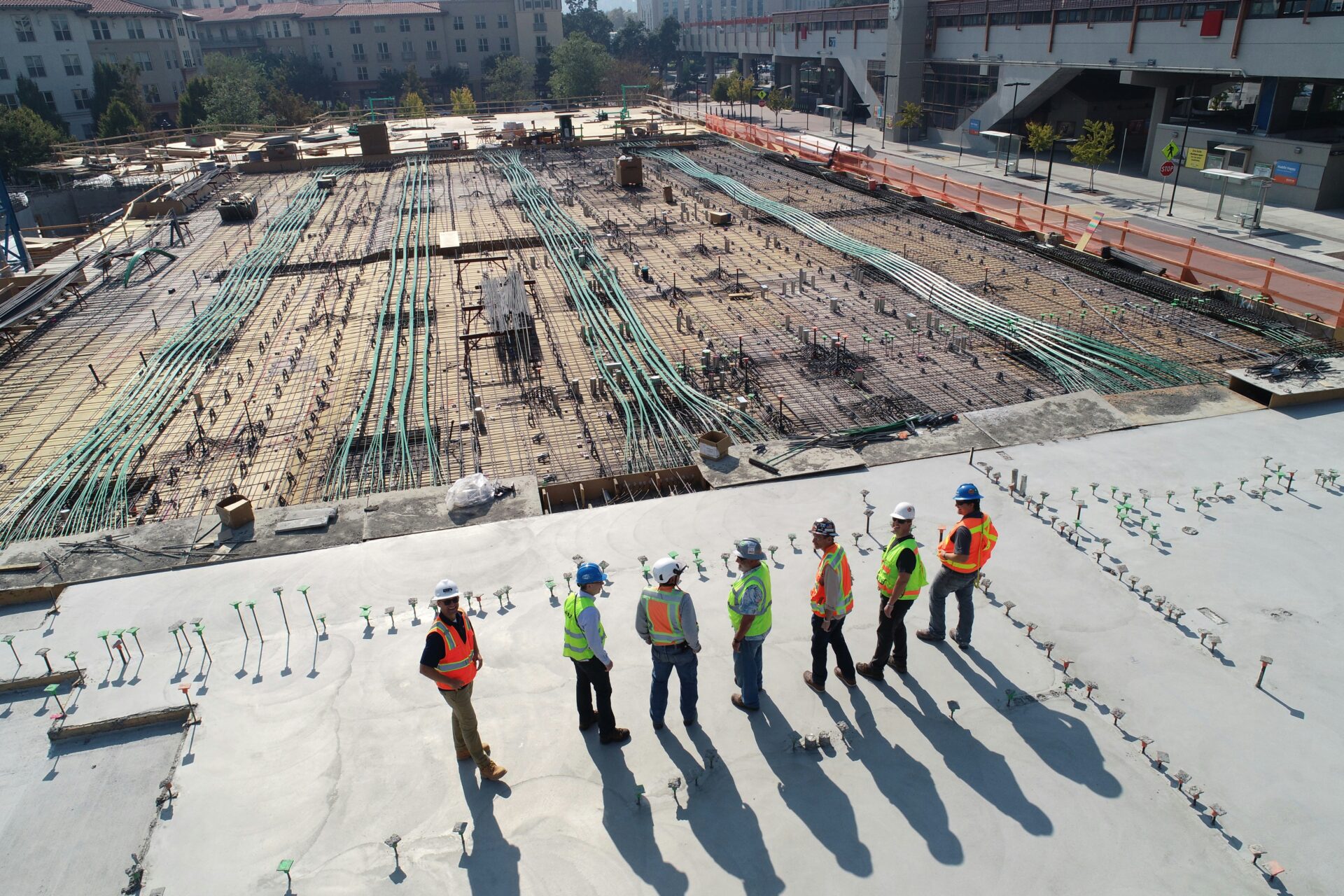
Picture by Jimmy Lia on Unsplash
Managing Defects Before They Become Disputes
Good defect management begins well before completion. Regular inspections, quality checks, testing, photographic records and timely reporting can help establish a clear record of the works.
When a defect is identified, the parties should establish:
- What exactly is defective?
- Which contractual requirement has not been met?
- When was the defect identified?
- Who is responsible for rectification?
- What evidence supports the position?
- What is the required rectification timeframe?
- What are the cost and programme implications?
A structured process can reduce arguments over responsibility and prevent minor issues from becoming major quality disputes. RICS guidance similarly recognises that defects may emerge during construction, during a contractual rectification or liability period, or even after other contractual obligations have been completed.
Resolving Construction Quality Disputes
Not every construction dispute needs to proceed directly to litigation. Depending on the contract and circumstances, parties may consider negotiation, mediation, adjudication, arbitration or litigation.
Early negotiation can be effective where the parties have sufficient evidence to understand the issue and agree on an appropriate rectification strategy. Mediation can be useful where commercial relationships need to be preserved. More formal mechanisms may be appropriate where liability, technical evidence or significant financial consequences remain contested.
In Singapore, the Building and Construction Industry Security of Payment Act provides a statutory adjudication mechanism primarily for payment disputes, offering a relatively fast route for eligible payment claims. It is important, however, to distinguish payment adjudication from broader disputes concerning defective workmanship or contractual liability.
Internationally, RICS identifies mediation, arbitration, adjudication and expert determination among the mechanisms available for resolving construction disputes.
Preventing Defects and Protecting Project Value
Construction defects can have consequences far beyond the cost of repairing the physical work. They may affect handover, cash flow, project schedules, relationships between parties and ultimately the financial performance of a development.
The strongest approach is therefore preventative. Clear specifications, appropriate quality controls, effective contract administration, accurate documentation and early identification of defects can reduce uncertainty and support faster resolution when issues arise.
For clients and contractors alike, understanding the defect liability period, maintaining strong records and addressing workmanship issues promptly can help prevent quality concerns from becoming expensive disputes. In an increasingly complex construction environment, effective construction dispute resolution is not simply about resolving problems after they occur. It is about establishing processes that help prevent those problems from escalating in the first place.
References
- Building and Construction Authority (BCA) – Construction Quality and CONQUAS https://www1.bca.gov.sg/safety-and-standards/construction-quality/
- Singapore Statutes Online – Building and Construction Industry Security of Payment Act 2004 https://sso.agc.gov.sg/Act/BCISPA2004
- Singapore High Court – Hiap Seng Building Construction Pte Ltd v Hock Heng Seng Contractor Pte Ltd [2024] SGHC 50 https://www.elitigation.sg/gd/s/2024_SGHC_50
- NEC Contracts – Defining and managing defects in NEC4 ECC https://www.neccontract.com/news/defining-and-managing-defects-in-ecc-and-liability-for-not-correcting-them
- RICS – Defects and Rectifications, 2nd edition https://www.rics.org/profession-standards/rics-standards-and-guidance/sector-standards/construction-standards/black-book/defects-and-rectifications-2nd-edition
- Singapore High Court – Discussion of defects liability periods in Management Corporation Strata Title Plan No 1933 v Ocean Front Pte Ltd https://www.elitigation.sg/gd/s/2008_SGHC_161