dk@dkoutsource.com


Construction projects are inherently complex, involving multiple stakeholders, tight deadlines, and significant budgets. Because of this complexity, issues like miscommunication, scope changes, and delays frequently spark conflicts. Fortunately, many of these disputes can be stopped before they escalate into expensive legal battles. By adopting a proactive approach, project teams can protect their bottom line, keep schedules on track, and maintain positive professional relationships.
Here are three essential rules to help you prevent construction disputes and ensure a smoother construction process:
Rule 1: Draft Clear and Detailed Contracts
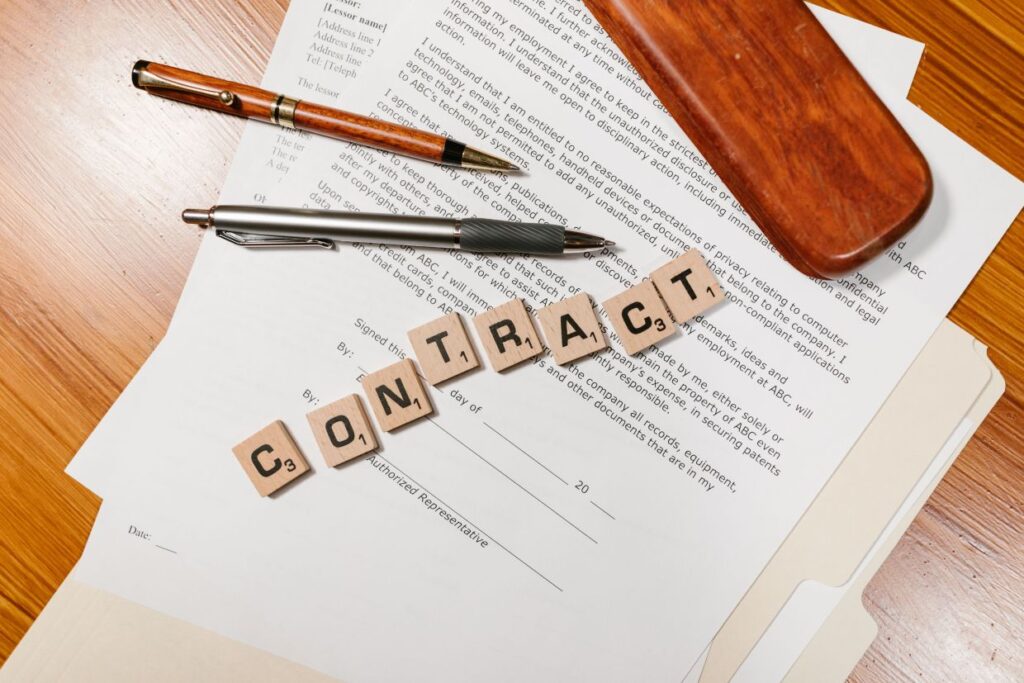
Ambiguity in project agreements is a primary catalyst for construction disputes. When expectations are poorly defined, disagreements inevitably arise over timelines, costs, quality standards, and responsibilities. A well-crafted contract serves as the foundation of a successful project and must explicitly outline:
- Project scope, specifications, and quality standards.
- Payment terms and construction timelines.
- Roles, responsibilities, and change order procedures.
- Dispute resolution methods.
Every party involved must thoroughly review and understand the contract before work commences, addressing any unclear clauses immediately. Furthermore, relying on verbal agreements creates confusion and makes enforcement difficult; all amendments should be rigorously documented in writing to establish a clear decision-making framework.
In Singapore, standard forms of contract such as the Public Sector Standard Conditions of Contract (PSSCOC), Singapore Institute of Architects (SIA) building contracts, and Real Estate Developers’ Association of Singapore (REDAS) contracts provide established contractual frameworks for different types of construction projects. Understanding which form applies and how its provisions allocate responsibilities, manage variations, address extensions of time, and handle disputes can help parties establish clearer expectations from the outset.
Rule 2: Maintain Consistent Communication and Documentation
Poor communication is a notorious trigger for conflicts in the construction industry. With so many moving parts, even minor misunderstandings can quickly snowball if not addressed. Effective communication requires regular project meetings, written discussion summaries, immediate issue reporting, and keeping all stakeholders informed of any changes.
Equally critical is maintaining comprehensive, objective documentation. Having an accurate paper trail helps resolve disagreements before they escalate by providing documented evidence rather than relying on conflicting memories. Essential records include:
- Daily site and progress reports.
- Meeting minutes and formal correspondence/emails.
- Photographic evidence and change order records.
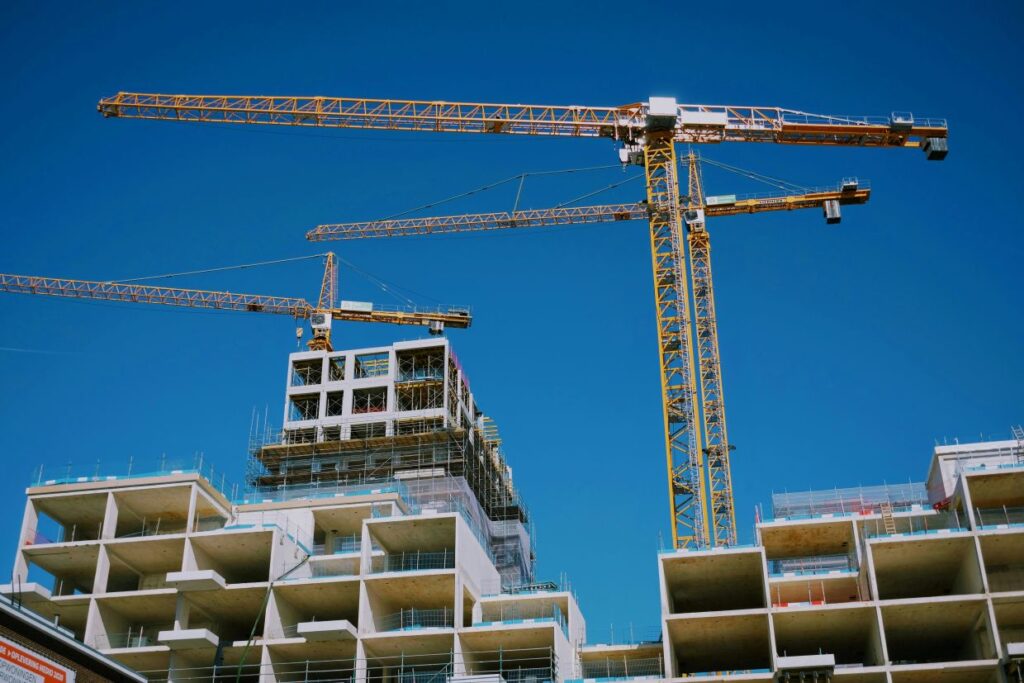
Picture by pexels mart production on pexels

Picture by pexels mart pro
Rule 3: Address Problems Immediately
Many serious disputes occur simply because early warning signs—such as payment delays, delayed approvals, or quality concerns—are ignored. To prevent escalation, organizations must establish a culture where team members feel comfortable raising issues early without fear of retaliation or blame. When a disagreement surfaces, follow this structured five-step process:
- Identify the issue clearly.
- Gather all relevant facts and documentation.
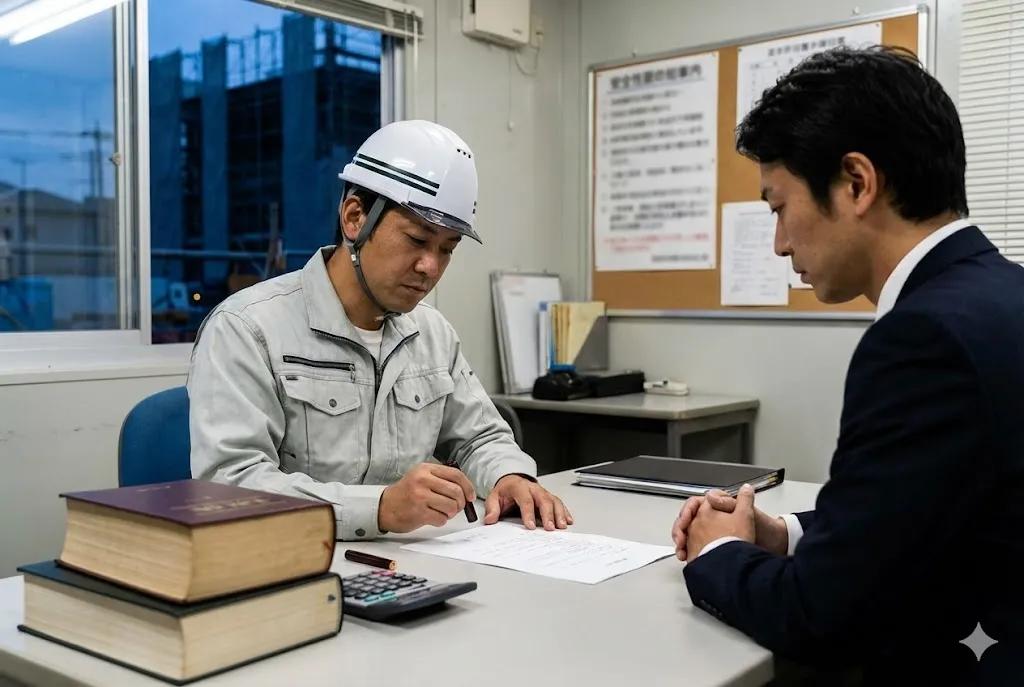
- Discuss the problem with the affected parties.
- Explore practical solutions.
- Document the agreed-upon resolution.
If necessary, bringing in a neutral third party for early dispute resolution or mediation can prevent the situation from becoming adversarial, which is often faster and much more cost-effective than formal litigation.
Why Early Dispute Prevention Matters
Preventing disputes does more than avoid legal action; it fundamentally improves project efficiency, strengthens business relationships, and protects profitability. Organizations that manage conflicts early benefit from reduced project delays, lower legal expenses, increased client satisfaction, and an enhanced reputation within the industry.
The Bottom Line
While construction disputes can carry severe financial and operational consequences, they are largely preventable. By establishing detailed contracts, prioritizing robust communication and documentation, and tackling problems the moment they arise, teams can shift their focus from reacting to conflict to proactively delivering high-quality work. Embracing these three rules minimizes the risk of costly litigation, builds trust, and ensures your projects move forward smoothly.
References
- Society of Construction Law Singapore. (n.d.). Construction contracts: Practical tips for mitigation and avoidance of disputes. Retrieved July 20, 2026 https://www.scl.org.sg/public-resources/articles-menu/973-construction-contracts-practical-tips-for-mitigation-and-avoidance-of-disputes.html
- Construction Executive. (n.d.). Contractor dispute resolution framework and prevention. Retrieved July 20, 2026 https://constructionexec.com/article/contractor-dispute-resolution-framework-and-prevention
- ConstructConnect. (n.d.). 6 keys to better construction communication. Retrieved July 20, 2026 https://www.constructconnect.com/blog/6-keys-better-construction-communication
- American Arbitration Association. (n.d.). Building resolution: Dispute Avoidance and Resolution Boards (DARB). Retrieved July 20, 2026 https://www.adr.org/industries/construction/darbs
- Allens. (2022, July). Three ways to avoid construction project disputes. Retrieved July 20, 2026 https://www.allens.com.au/insights-news/insights/2022/07/three-ways-to-avoid-construction-project-disputes/