dk@dkoutsource.com


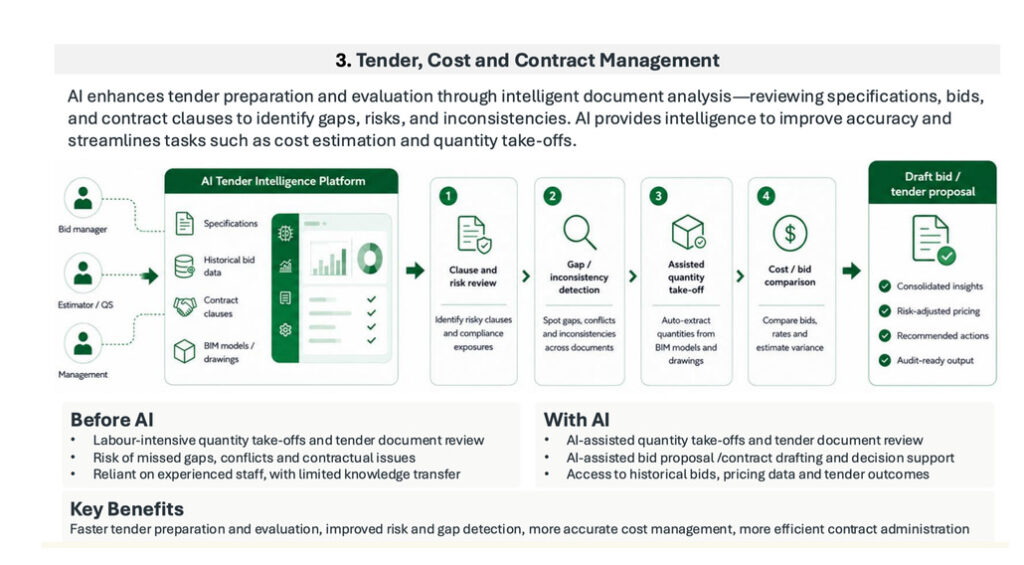
Artificial intelligence is rapidly changing how the construction industry approaches cost planning, estimating, and project management. While generic AI tools excel at processing massive data volumes, identifying complex patterns, and automating repetitive administrative tasks, using them in isolation to generate a construction cost estimate introduces substantial commercial risks.
A reliable construction estimate is not merely a number extrapolated from historical data; it is a complex synthesis of project scope, drawings, technical specifications, physical quantities, construction methodologies, site conditions, labour requirements, material prices, procurement strategies, programme constraints, and prevailing market dynamics. These interconnected variables demand deep technical knowledge and, above all, professional human judgement.
For this reason, AI construction cost estimation must be treated as a supporting tool rather than a replacement for experienced quantity surveyors (QS).
The Context Deficit: Generic AI’s Blind Spots
A primary limitation of generic AI is its lack of project-specific context. For example, two buildings with identical gross floor areas can have vastly different construction costs. One project might involve restricted site access, complex structural works, extensive mechanical and electrical (M&E) services, or high-end specialist finishes, while another might utilise standard construction methods and readily available materials.
A generic AI system can spot statistical similarities between projects, but it cannot automatically deduce why their costs diverge. This is where professional quantity surveying services become essential. A consultant QS evaluates the project as a cohesive whole rather than simply calculating figures from isolated data points.
Research published in the International Journal of Construction Management highlights this complementary relationship. A 2025 study developed an AI-based natural language processing model to match quantity information with construction cost indexes. The researchers concluded that the technology is highly effective as an analytical tool to help QS professionals identify discrepancies, but it cannot replace a qualified professional’s comprehensive assessment.
The Input Vulnerability: Garbage In, Garbage Out
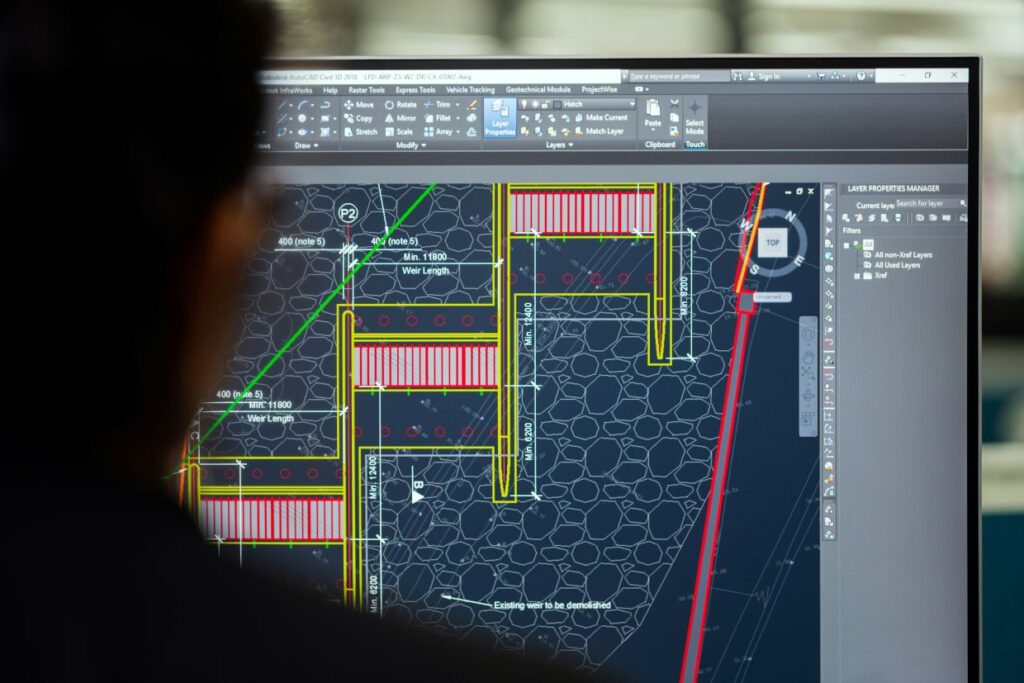
AI is entirely dependent on the quality of the information it receives. If project drawings are incomplete, specifications are modified mid-project, or quantities are incorrectly inputted, an AI system will confidently generate an estimate based on flawed data. Because the final output often appears highly detailed and convincing, it can mask underlying errors.
This is particularly critical during feasibility studies, preliminary cost planning, and tender preparation, where early estimation errors can misguide subsequent design decisions, project budgets, and procurement strategies.
The Royal Institution of Chartered Surveyors (RICS) stresses that input quality is a primary consideration when deploying AI. While AI can automate repetitive, manual tasks like measuring and extracting quantities, incomplete or inaccurate baseline data directly corrupts the resulting estimate. RICS emphasizes that professional oversight remains non-negotiable, requiring qualified professionals to review, validate, and verify all AI-generated cost reports.
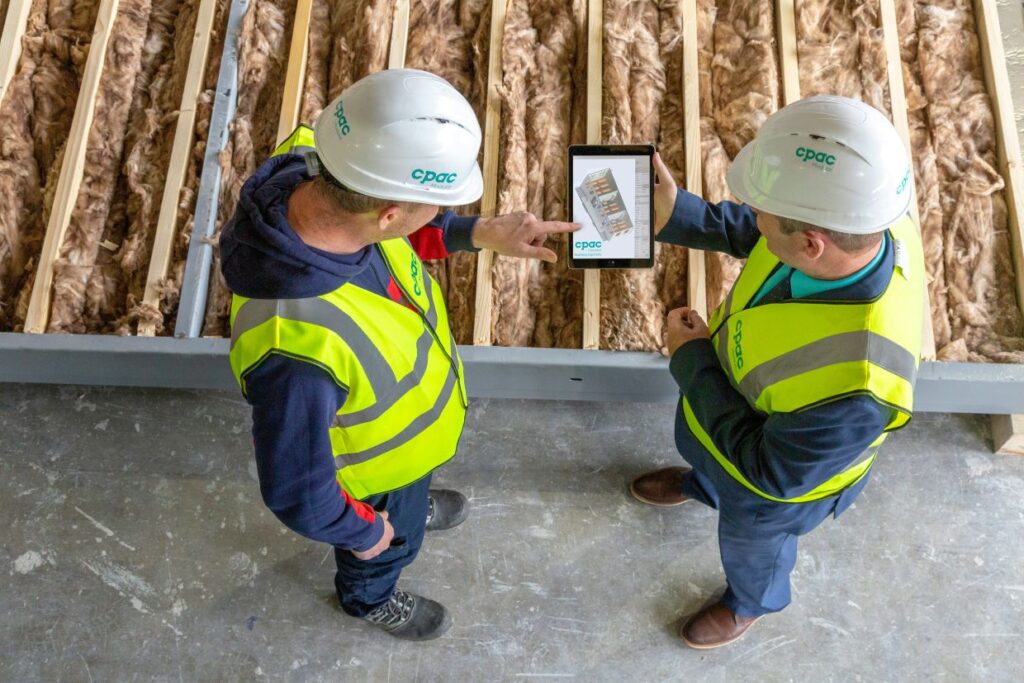
Picture by alan boyce
Market Volatility and Fluctuating Conditions
Another reason generic AI cannot be relied upon in isolation is that construction costs are constantly shifting. Material pricing, labour availability, subcontractor rates, inflation, transport costs, and market demand fluctuate continuously. Construction costs also vary significantly by geographic location, construction methodology, project programme, procurement route, and site constraints.
According to the Singapore Institute of Surveyors and Valuers (SISV), the professional quantity surveyor acts as an indispensable cost consultant. Their role spans far beyond simple arithmetic to deliver strategic financial advice, Bills of Quantities (BoQ) preparation, life cycle costing, cost control, and project forecasting.
The Singapore Case Study: Integrating Tech with Professional Expertise
Singapore serves as a global benchmark for how digital innovation is being responsibly integrated into the Built Environment. The Built Environment Industry Digital Plan, developed by the Infocomm Media Development Authority (IMDA) and the Building and Construction Authority (BCA), prioritises data and AI-driven decision-support systems to help firms monitor cost, time, safety, quality, and productivity. This framework specifically highlights digital solutions that support quantity surveying and cost estimation.
Rather than bypassing professional cost management, Singapore’s strategy leverages technology to enhance process efficiency. AI models can organise historical cost libraries, isolate pricing anomalies, and expedite preliminary calculations. However, the professional quantity surveyor remains the final line of defence—responsible for challenging underlying assumptions, verifying data integrity, and interpreting the output.
Why Human Judgement Remains the Ultimate Commercial Anchor
Generating a numerical output is fundamentally different from providing strategic commercial advice. A consultant QS actively interrogates the source material, investigates unexplained market movements, proposes alternative construction methods, manages project risks, and details the assumptions behind the numbers.
For example, if an AI generates a competitive estimate, a QS will verify if it sufficiently covers preliminaries, labour, materials, subcontractor costs, variations, risk allowances, and design changes—areas that require professional judgement that cannot be automated.
The Hybrid Future: AI Plus Quantity Surveying Expertise
The future of the built environment is not AI instead of the quantity surveyor, but AI working alongside the quantity surveyor. As construction firms adopt predictive analytics and automated cost analysis, the most reliable approach is to combine this technology with experienced QS professionals. AI handles rapid data processing, pattern finding, and repetitive administration, while a professional QS verifies the data, assesses project-specific risks, applies market knowledge, and determines whether the resulting estimate is reasonable.
References
- International Journal of Construction Management – AI-Augmented Construction Cost Estimation https://doi.org/10.1080/15623599.2025.2558070
- RICS – Responsible Use of AI in Surveying Practice https://www.rics.org/profession-standards/rics-standards-and-guidance/conduct-competence/responsible-use-of-ai
- RICS – Responsible Use of AI Case Study: Construction Cost Estimation https://www.rics.org/profession-standards/rics-standards-and-guidance/conduct-competence/responsible-use-of-ai/ruai-case-studies-05
- RICS – Artificial Intelligence in Construction Report 2025 https://www.rics.org/news-insights/artificial-intelligence-in-construction-report
- IMDA – Refreshed Built Environment Industry Digital Plan https://www.imda.gov.sg/resources/press-releases-factsheets-and-speeches/factsheets/2024/refreshed-built-environment-idp
- SISV – Quantity Surveying Services https://www.sisv.org.sg/qs-services.aspx
- SISV – The Role of the Professional Quantity Surveyor https://www.sisv.org.sg/qs-about.aspx