dk@dkoutsource.com



Summary: Effective NEC4 compensation event management helps construction teams control variations, assess cost and time impacts, and reduce disputes. This guide explains the NEC4 notification and assessment process, practical steps for contractors and project managers, and considerations for projects in Singapore and international markets.
Why Variation Management Matters in Construction Projects
Changes are inevitable in construction projects, whether caused by revised designs, unforeseen site conditions or changes to project requirements. Without effective variation management, these changes can lead to cost overruns, programme delays and contractual disputes.
The NEC4 Engineering and Construction Contract (ECC) provides a structured approach through its compensation event mechanism. Rather than treating every change as a separate negotiation, NEC4 establishes procedures for notifying, assessing and implementing qualifying events. These principles are relevant to Singapore’s construction sector and international projects using NEC4.
Understanding NEC4 Compensation Events
Under NEC4 ECC, compensation events are contractually defined events that may change the Prices, Completion Date or Key Dates. Clause 60 identifies qualifying events, including certain instructions changing the Scope, failures to provide contractual access and qualifying unexpected physical conditions.
According to NEC Contracts, a compensation event can affect “the cost to the Client” or the time required to complete the works. This definition highlights why changes must be assessed for both financial and programme consequences.
Importantly, not every variation automatically qualifies as a compensation event. Entitlement depends on the contract provisions, the circumstances and any applicable amendments or additional conditions.
The NEC4 Compensation Event Process
Managing compensation events effectively requires timely communication, reliable records and a clear understanding of contractual responsibilities.
-
Identify and notify the event
Under Clauses 61.1–61.3, the Project Manager or Contractor may have responsibility for notifying a compensation event, depending on its circumstances. Contractors should identify potential events promptly and check the applicable notification requirements.
Under the standard NEC4 ECC provisions, Clause 61.3 generally imposes an eight-week notification period on contractors for events they are required to notify, subject to the stated exceptions. Missing this deadline can affect entitlement to adjustments.
-
Prepare a detailed quotation
Following an instruction to submit a quotation, the Contractor assesses the event’s effects under Clause 62. A robust compensation event quotation should include:
- Additional or reduced costs arising from the change.
- Effects on the construction programme and forecast completion.
- Supporting calculations, resource estimates and subcontractor quotations.
- Relevant assumptions, risk allowances and programme revisions.
Clear supporting evidence helps the Project Manager evaluate the quotation and reduces avoidable disagreements.
-
Assess the cost and time impacts
Clause 63 sets out the assessment principles. The assessment considers the forecast effect of the event on the Prices and, where applicable, the Completion Date or Key Dates.
This approach encourages early evaluation rather than relying solely on costs accumulated after work is completed. However, the applicable assessment rules depend on the contract’s main option and specific provisions.
-
Implement and record the outcome
Once a compensation event is implemented under Clause 66, the agreed or assessed changes are incorporated into the contract as provided by NEC4. Maintaining an updated event register, cost forecast and programme helps project teams monitor the cumulative effects of changes.
Practical Strategies for Better Variation Management
Effective construction contract administration involves more than complying with deadlines. Project teams should establish consistent procedures from the beginning.
Key practices include:
- Maintain a compensation event register: Record notifications, responsible parties, deadlines, quotations and implementation status.
- Keep contemporaneous records: Retain instructions, meeting minutes, site diaries, labour records and cost information.
- Use early warnings: Raise potential problems promptly and discuss mitigation measures before their effects escalate.
- Coordinate commercial and planning teams: Ensure cost assessments reflect realistic programme impacts and resource requirements.
- Review contractual amendments: Confirm how additional conditions, secondary options and project-specific clauses affect the standard procedure.
These measures support transparent decision-making and strengthen construction claims management.

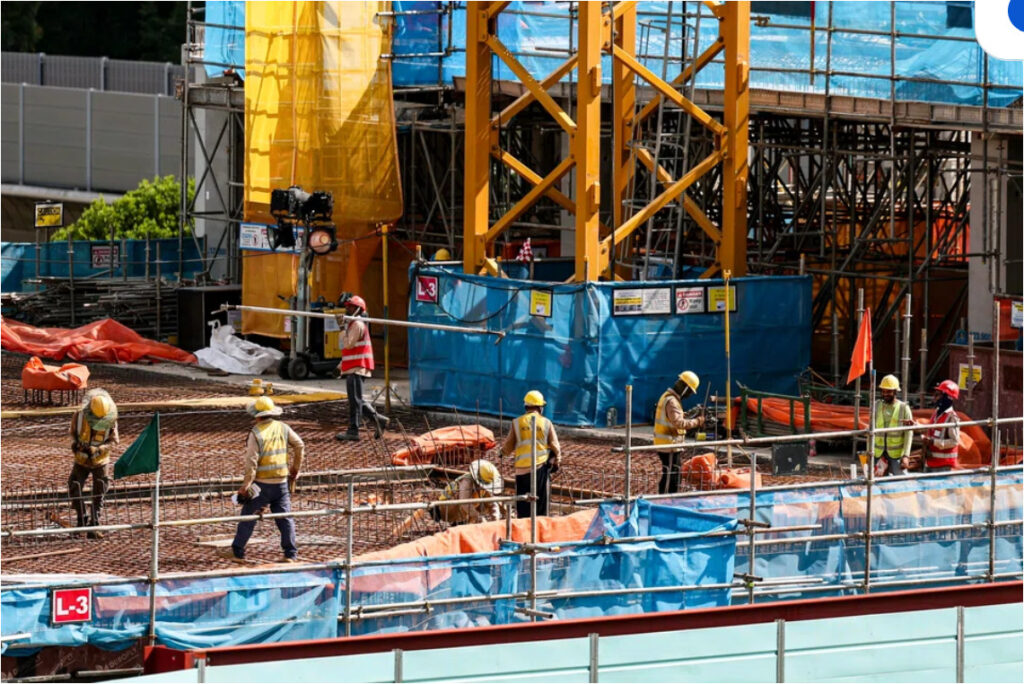
Picture by Mikhail Nilov
Applying NEC4 in Singapore and International Projects
Singapore has taken steps to encourage collaborative contracting within its built environment sector. The Building and Construction Authority (BCA) introduced Singapore-specific clauses for NEC4 construction and engineering contracts in April 2024. These adaptations support local application while retaining NEC4’s structured project-management approach.
For contractors and consultant quantity surveyors, understanding the relationship between compensation events, programme updates and cost forecasting is particularly valuable when administering complex projects.
Internationally, NEC4 also provides a common procedural framework for managing changes across multidisciplinary teams. Nevertheless, users should check the governing law, contract amendments, selected options and dispute-resolution provisions before applying the standard procedures.
Conclusion
Effective NEC4 compensation event management turns potential variations into a structured process for evaluating cost, time and contractual entitlement. By identifying events early, submitting substantiated quotations and maintaining accurate records, project teams can improve commercial control and reduce disputes.
For Singapore and international construction projects, disciplined variation management supports better collaboration, more reliable forecasting and informed project decisions.
Frequently Asked Questions
What is a compensation event under NEC4?
Answer: A compensation event is a contractually defined event that may entitle the parties to adjustments to the Prices, Completion Date or Key Dates, subject to the applicable contract provisions.
Is every variation a compensation event under NEC
Answer: No. A change must fall within the relevant contractual provisions to qualify. The cause of the change, the contract’s selected options and any amendments must be considered.
What is the eight-week notification rule under NEC4?
Answer: Under standard NEC4 ECC Clause 61.3, a Contractor generally has eight weeks to notify certain compensation events after becoming aware of them. Exceptions apply, including events the Project Manager should have notified under Clause 61.1. Always check the executed contract.
How does NEC4 help reduce construction disputes?
Answer: NEC4 establishes procedures for early notification, quotation, assessment and implementation. Prompt communication and supporting records can help resolve issues before they escalate.
What documents should contractors maintain for compensation events?
Answer: Useful records include formal instructions, notifications, quotations, revised programmes, site diaries, labour and material records, subcontractor quotations and cost calculations.
References
- NEC Contracts — Do What NEC4 ECC Says or Face the Enforcement Clauses. https://www.neccontract.com/news/do-what-nec4-ecc-says-or-face-the-%E2%80%98enforcement-clauses%E2%80%99
- Building and Construction Authority (BCA) — NEC4 Contract – Singapore’s NEC4 adoption and localised clauses. https://www1.bca.gov.sg/growth-and-transformation/procurement/standard-contract-forms/nec4-contract/
- BCA — Collaborative Contracting. Singapore’s approach to collaboration and project management. https://www1.bca.gov.sg/growth-and-transformation/procurement/progressive-procurement-approaches/collaborative-contracting/
- NEC Contracts — How NEC4 ECC Deals with Delay and Disruption. https://www.neccontract.com/news/how-nec4-ecc-deals-with-delay-and-disruption
- Singapore Academy of Law — https://sal.org.sg/wp-content/uploads/2026/01/Guide-on-the-NEC4-Engineering-and-Construction-Contract.pdf