dk@dkoutsource.com



Summary: Expert evidence can play a critical role in complex construction disputes involving quantum, delay, valuation and technical issues. A recent research paper by The Academy of Experts and HKA highlights practical factors that can affect the quality and independence of expert evidence in construction disputes, from clear instructions and timely disclosure to realistic deadlines and responsible use of AI.
What Does It Take to Produce Reliable Expert Evidence?
Expert evidence can play an important role in complex disputes, particularly where a court or tribunal needs specialist knowledge to understand technical, financial or professional issues. But what makes expert evidence reliable?
A joint research paper by The Academy of Experts and HKA, An Expert’s Perspective, looks at this question from an angle that is often overlooked: the experiences of the experts themselves. The research gathered responses from 456 experienced experts and expert assistants across different jurisdictions and disciplines.
Clear Instructions Are the Starting Point
One of the report’s key findings is that the quality of expert evidence is influenced by how the expert is appointed and instructed.
Experts do not always receive written instructions, the questions they are expected to address, or the relevant procedural rules at the beginning of an appointment. The report also found that experts are often not involved in defining the scope of the investigation or identifying the questions their reports should answer.
Clear instructions help establish what the expert is being asked to examine and provide a stronger foundation for the work that follows.
Access to the Right Information Matters
Expert analysis depends on having appropriate documentary evidence. However, the research found that some experts experience difficulties obtaining relevant documents, while others encounter situations where the opposing expert has access to material that was not initially available to them.
Late disclosure can also mean that an expert has to reconsider or amend an opinion. While most respondents had not experienced this problem, the report identifies late disclosure as a continuing procedural risk that can affect the efficiency and depth of expert analysis.
For complex disputes, timely and proportionate disclosure is therefore important to allow experts to assess the evidence properly.
Independence Must Be Preserved
The research highlights several practical factors that can influence the quality, reliability and independence of expert evidence. For parties involved in construction disputes, these factors can help create a stronger foundation for expert analysis:
| Factor | Why it matters |
| Clear instructions | Establishes the scope of the expert’s work and the questions they are expected to address. |
| Timely disclosure | Gives the expert access to the relevant documents and information needed for proper analysis. |
| Realistic deadlines | Allows sufficient time for detailed review, analysis and preparation of the expert report. |
| Independence | Helps ensure the expert provides an objective and impartial opinion rather than advocating for either party. |
| Expert meetings | Helps experts identify areas of agreement and disagreement and narrow the issues requiring determination. |
| Responsible AI use | Allows technology to support efficiency while ensuring professional judgement and responsibility remain with the expert. |
Together, these factors demonstrate that reliable expert evidence is not simply dependent on an expert’s qualifications. The surrounding process — from appointment and disclosure to reporting and expert meetings — can also influence the quality and usefulness of the evidence.
Expert Meetings Can Help Narrow Disagreements
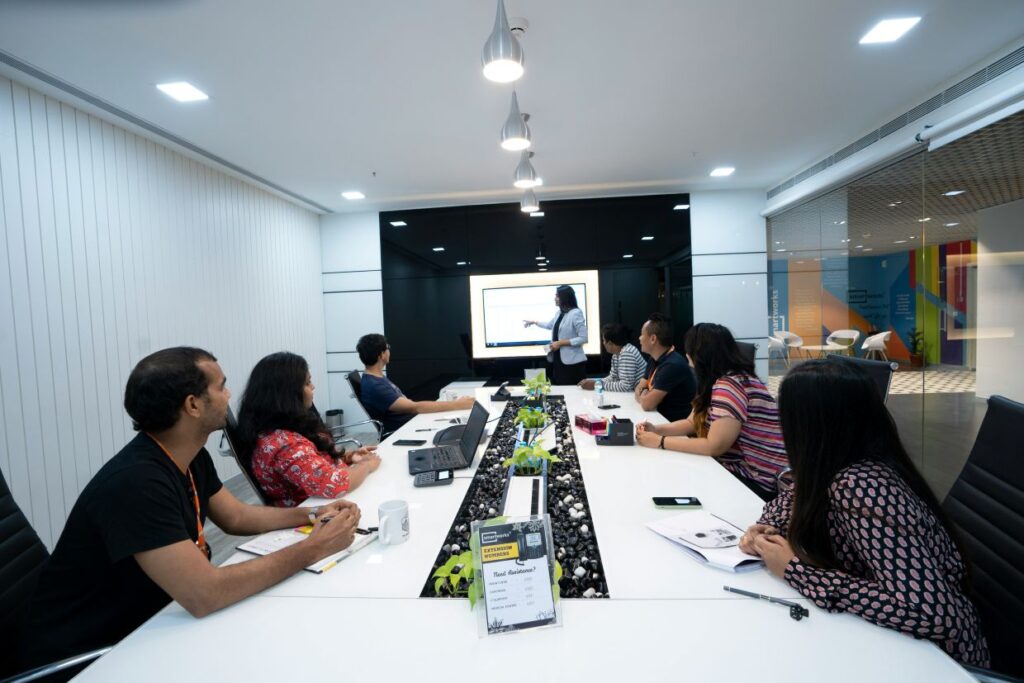
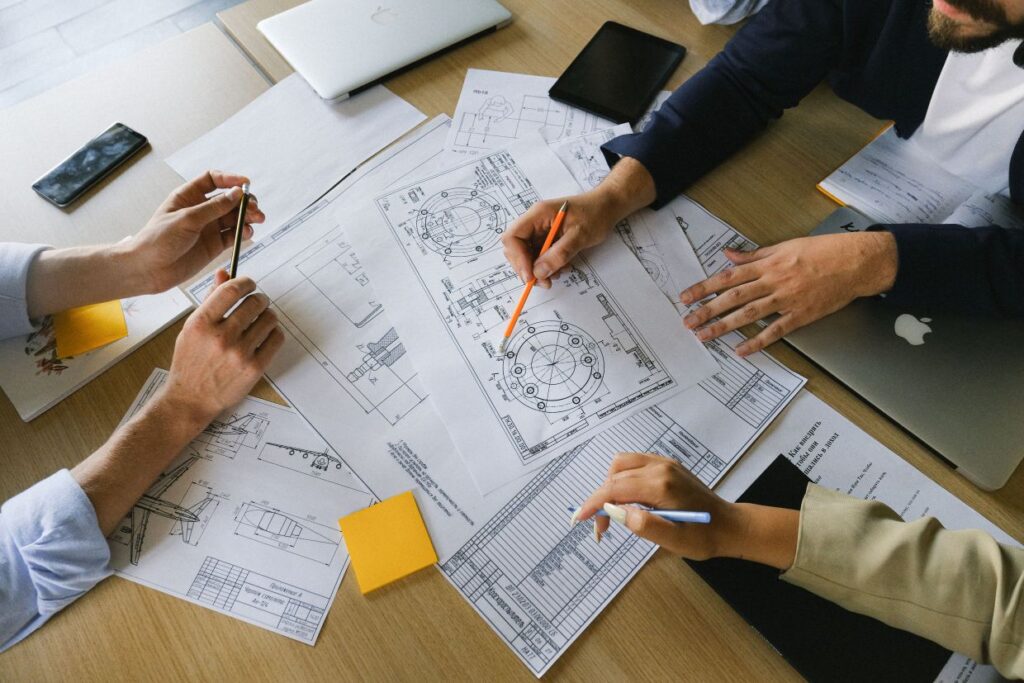
The research also considers meetings between opposing experts and the preparation of joint statements. These discussions can help identify areas of agreement and disagreement and narrow the issues that ultimately need to be determined.
However, the report suggests that timing matters. Meetings held after experts have formulated their own opinions are viewed more positively than discussions that take place before an expert has had an opportunity to complete an independent analysis.
Picture by Anna Shvetsa on Pexels
Where Does AI Fit In?
Artificial intelligence is another emerging consideration in expert evidence. The report recognises that AI can assist with activities such as document summarisation, data analysis, quality control and translation.
But, the central principle is clear: AI may assist the expert, but it cannot replace the expert’s professional judgement. Experts remain personally responsible for their opinions and must verify AI-generated outputs, protect confidential information and consider whether significant AI use should be disclosed.
The report also identifies certain uses as incompatible with the role of an independent expert, including allowing AI to write an entire expert report or outsource substantive expert reasoning.
Building Better Expert Evidence
The findings point to several practical improvements: appoint experts earlier, provide clear instructions, ensure timely access to relevant documents, set realistic deadlines and maintain transparency around expert meetings, assistants and AI.
Reliable expert evidence does not depend on the expert alone. Lawyers, parties, experts and tribunals all have a role in creating a process that allows independent, properly supported and transparent analysis.
For construction disputes, where issues such as quantum, delay analysis, valuation and cost assessment can be complex, getting this process right can help ensure that technical and financial matters are presented clearly and supported by robust analysis.
Ultimately, the quality of expert evidence is shaped not only by technical expertise, but also by the quality of the process behind it: clear instructions, reliable information, sufficient time, independence and responsible use of technology. These fundamentals can help provide courts and tribunals with clearer and more reliable evidence on which to assess complex disputes.
Frequently Asked Questions
What is expert evidence in construction disputes?
Answer: Expert evidence in construction disputes is specialist opinion provided by an appropriately qualified expert to help a court or tribunal understand technical, financial or professional issues such as quantum, delay, valuation or productivity.
What does an expert witness do?
Answer: An expert witness provides independent opinion evidence within their area of expertise. Their primary duty is to assist the court or tribunal rather than advocate for the party that appointed them.
Why is independence important for expert witnesses?
Answer: Independence helps ensure that an expert’s opinion is based on professional analysis and evidence rather than the interests of the appointing party.
How can AI be used in expert evidence?
Answer: AI may assist with tasks such as document summarisation, data analysis, translation and quality control. However, the expert remains responsible for verifying outputs and for the opinions ultimately presented.
What can improve the quality of expert evidence?
Answer: Key improvements include earlier expert appointment, clear instructions, timely disclosure of relevant documents, realistic deadlines and transparent expert meetings and joint statements.
References
- The Academy of Experts & HKA, An Expert’s Perspective, joint research paper. https://academyofexperts.org/practising-as-expert/expert-witness-guidance/guidance-for-expert-witnesses-on-the-use-of-artificial-intelligence-ai/
- HKA, “An Expert’s Perspective” — research announcement and comments by The Rt Hon Lord Neuberger of Abbotsbury. https://www.hka.com/thought-leadership/the-academy-of-experts-and-hka-publishes-new-research-on-expert-witness-process/?utm_campaign=experts_perspective_report&utm_content=603575514&utm_medium=social&utm_source=linkedin&hss_channel=lcp-11118657
- The Academy of Experts, guidance on What is an Expert Witness? and expert witness responsibilities. https://academyofexperts.org/practising-as-expert/expert-witness-guidance/