dk@dkoutsource.com


In the construction and engineering sectors, projects are characterised by complex multi-party relationships, substantial capital investments, and tight schedules. Consequently, disputes frequently arise from project delays, defective workmanship, payment disagreements, variations, conflicting contract interpretations, and unclear project responsibilities.
When direct negotiations reach an impasse, selecting the correct formal resolution pathway is critical to protecting project cash flow, controlling costs, and preserving key commercial relationships. Construction stakeholders have three primary options: Mediation, Arbitration, and Litigation. Choosing the optimal route requires a thorough understanding of how each forum operates and how they compare.
Mediation: The Collaborative and Relationship-Focused Path
Mediation is a private, voluntary, and highly flexible process in which an independent, neutral third party—the mediator—facilitates negotiations to help the parties reach a mutually acceptable settlement.
- No Imposed Decision: Unlike an arbitrator or judge, a mediator has no authority to decide who is right or wrong, nor can they force a settlement. The parties retain complete control over the outcome and whether an agreement is reached.
- Relationship Preservation: Because the process is non-adversarial and focuses on collaborative problem-solving, mediation is exceptionally valuable for preserving long-term commercial relationships. In construction, where developers, contractors, and consultants frequently work together across multiple projects, resolving a dispute amicably can yield commercial benefits far beyond the immediate conflict.
- Efficiency and Innovation: The Singapore International Mediation Centre (SIMC) notes that mediation offers substantial time and cost savings while allowing parties to develop creative, commercially driven solutions that a court or tribunal could not contractually award.
- Non-Exclusive Forum: Mediation can be initiated at any stage—either before or during active court or arbitration proceedings—meaning parties do not have to abandon formal legal routes to attempt a negotiated settlement.
Arbitration: The Private, Binding, and Expert-Driven Forum
Arbitration is a formal, private dispute resolution process where an independent arbitrator or a tribunal of arbitrators evaluates the parties’ evidence and arguments to issue a final, legally binding decision known as an “award”.
- Contractual Foundation: Arbitration is typically used when the underlying construction contract contains an explicit arbitration clause agreeing to refer future disputes to this forum.
- Industry Expertise: A major benefit of arbitration is that the parties can appoint an arbitrator with specific technical or industry expertise (such as a quantity surveyor, engineer, or construction lawyer), ensuring that complex technical and contractual nuances are fully understood.
- Enforceability and Privacy: Arbitration operates outside the public court system, maintaining commercial confidentiality. Additionally, arbitral awards are highly enforceable across international borders under global treaties.
- Time and Cost Considerations: Although private, arbitration remains a formal, adversarial process. For complex construction disputes, it can require extensive documentation, expert evidence, and substantial professional fees. Parties must carefully weigh whether the financial value and complexity of the dispute justify the costs of formal arbitration.
- Consent Awards: If the parties decide to attempt mediation during an ongoing arbitration and successfully reach a settlement, the terms can be formally recorded as a “consent award,” giving the agreement the same legal weight as an arbitral decision. If mediation fails, the arbitration resumes seamlessly.

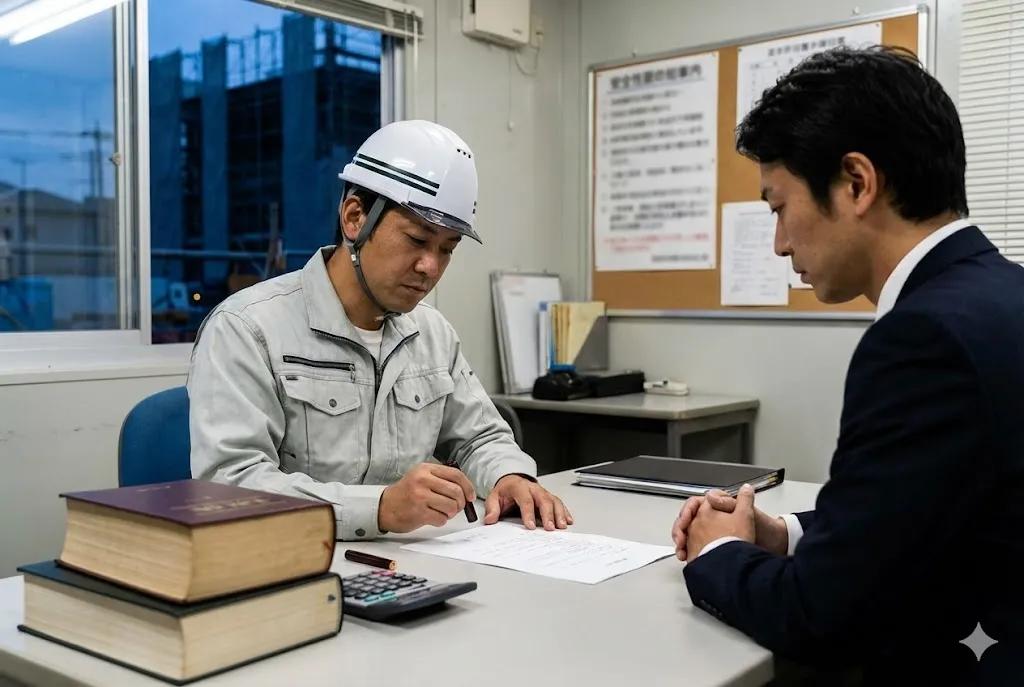
Picture by mart production on pexels
Litigation: The Authoritative Court Determination
Litigation involves bringing a dispute before a public court of law, where a judge evaluates pleadings, evidence, and legal arguments to deliver a binding, enforceable judgment.
Judicial Intervention: Court proceedings are appropriate when a party requires immediate judicial intervention (such as an injunction), when the contract designates court jurisdiction, or when the dispute involves complex legal precedents that require a formal court ruling.
Adversarial and Formal: Litigation is a highly structured, adversarial process governed by rigid civil procedure rules, strict timelines for pleadings, and formal discovery directions. This structure can place a heavy administrative and emotional strain on commercial relationships.
Simplified Procedures: To mitigate time and expense, Singapore’s courts offer streamlined pathways for eligible claims. For example, certain civil matters can utilize Simplified Civil Trial processes designed to resolve lower-value or less complex disputes with reduced costs and accelerated timelines.
Comparative Analysis: Choosing the Right Forum
| Feature | Mediation | Arbitration | Litigation |
| Process Nature | Voluntary, collaborative negotiation | Private, formal adjudicative process | Public, formal judicial process |
| Decision Maker | Neutral mediator (facilitator only) | Party-selected arbitrator/tribunal | Court-appointed judge |
| Outcome Control | Full control retained by parties | Determined by the arbitrator (binding) | Determined by the judge (binding) |
| Enforceability | Contractual agreement (or consent award) | Binding award, globally enforceable | Binding judgment, court-enforced |
| Confidentiality | Strictly private and confidential | Private and confidential | Public proceedings and records |
| Relationship Impact | Minimises conflict; preserves partnerships | Can be adversarial and strain relations | Highly adversarial; often terminates relations |
Hybrid and Integrated Approaches: The Singapore Framework
Modern dispute resolution increasingly rejects the idea that these paths must be mutually exclusive.
Singapore’s dispute resolution landscape is a global leader in promoting integrated, multi-tiered approaches:
- Litigation-Mediation-Litigation (LML) Protocol: Developed jointly by the Singapore International Commercial Court (SICC) and the SIMC, this protocol allows parties who have commenced court litigation to pause proceedings, refer their dispute to mediation, and, if a settlement is reached, record it as a court order. If mediation is unsuccessful, they return to court without losing their place in the litigation timeline.
- Multi-Tiered Contract Clauses: Construction contracts increasingly incorporate tiered dispute resolution clauses. These clauses establish a structured, mandatory process—such as requiring the parties to attempt executive negotiations and formal mediation before they are contractually permitted to initiate arbitration or litigation. The SIMC provides model clauses to help organisations embed these tiered safety nets directly into their commercial agreements.
Strategic Checklist: Selecting Your Dispute Resolution Pathway
Before committing to a specific dispute resolution route, project managers, contract administrators, and commercial directors should evaluate the following questions:
- Feasibility: Is a negotiated, amicable settlement still realistic given the parties’ current positions?
- Relationships: Is preserving the ongoing commercial relationship critical for active or future projects?
- Finality: Is a legally binding and final determination required immediately to resolve a deadlock?
- Complexity: How technical and contractually complex are the disputed issues, and is specialist industry expertise required to understand them?
- Contractual Duty: Does the contract contain mandatory arbitration, mediation, or multi-tiered dispute clauses?
- Economics: Do the projected costs and time demands of formal proceedings align with the commercial value of the claim?
- Confidentiality: Is keeping the dispute, financial data, and proprietary evidence private important to the business?
- Enforcement: Will the final outcome need to be enforced across different international jurisdictions?
Concluding Guide to Mediation and Arbitration and Litigation
In construction, there is no single “correct” dispute resolution method; the best pathway depends entirely on the unique legal, commercial, and operational context of the disagreement. While mediation offers a flexible, cost-effective way to resolve issues before positions harden, arbitration and litigation remain essential backstops when a formal, binding decision is required. By proactively designing contract clauses and assessing dispute dynamics, construction stakeholders can resolve conflicts efficiently, protect project cash.
References
- Singapore International Mediation Centre – The Growing Relevance of Mediation for Construction and Infrastructure Disputes https://simc.com.sg/insights/growing-relevance-mediation-construction-and-infrastructure-disputes
- Singapore International Mediation Centre – Why Mediate https://simc.com.sg/why-mediate
- Singapore International Mediation Centre – Litigation-Mediation-Litigation https://simc.com.sg/lit-med-lit
- Singapore Courts – Going to Court: Simplified Civil Trial https://www.judiciary.gov.sg/civil/going-to-court-simplified-civil-trial
- Singapore Courts – Address on Appropriate Dispute Resolution https://www.judiciary.gov.sg/docs/default-source/sicc-docs/news-and-articles/launch-of-litigation-mediation-litigation-protocol-sicc-model-jurisdiction-clause-for-international-arbitration-matters—address-on-appropriate-dispute-resolution.pdf
- Singapore International Mediation Centre – When Should You Mediate? https://simc.com.sg/insights/when-should-you-mediate