dk@dkoutsource.com



Summary: The conflict of interest involving a former condominium management council chairman highlights how undisclosed contractor links can lead to legal and reputational risks. The case shows why proper declarations, transparent procurement decisions and reliable records matter when appointing contractors.
Procurement decisions often involve more than comparing quotations and selecting a contractor. They also require transparency, particularly when decision-makers have personal or financial connections to businesses seeking work. In a Singapore defamation case, a former chairman of Yew Tee Residences’ management council sued his successor over remarks concerning his links to contractors engaged by the estate. The court dismissed the claim after finding that the defence of justification succeeded. The case offers useful lessons for management councils, developers, consultants and quantity surveyors on managing conflicts of interest in construction procurement.
When contractor relationships become a dispute
Mohamed Rafi Bin Mohamed Kassim chaired the management council of Yew Tee Residences from 2017 until 30 July 2024. His successor, Cherlyn Ang Kwee Hiang, made remarks at an extraordinary general meeting on 28 September 2024 concerning alleged failures to declare conflicts of interest.
The remarks related to two businesses, AZH Engineering Services and AZH Consultant Pte Ltd, which had undertaken work for the estate’s management corporation between 2020 and 2024.
Court evidence included 19 invoices for services such as COVID-19 temperature-taking, plumbing repairs, and door repairs and installation.
Mohamed Rafi was a director and 50% shareholder of AZH CPL, while AZH ES was owned by his wife. His wife’s interest was attributable to him under Section 60 of the Building Maintenance and Strata Management Act 2004 .
Although annual declarations had been signed, the interests in these businesses were not properly disclosed. A March 2021 email declaring his AZH CPL shareholding was also insufficient, as it omitted the extent of his shareholding and directorship. There was insufficient evidence that the email had been properly brought to the council’s attention.
The court also heard evidence that Mohamed Rafi provided quotations from the businesses to the managing agent. However, this did not establish that he personally procured every contract.
Why proper disclosure matters
The case highlights why conflict of interest management is not simply a matter of completing an annual declaration form. Under Section 60 of the BMSMA, council members with a relevant pecuniary interest in a contract or matter before the council must declare their interest and refrain from participating in its consideration, discussion or voting, subject to the Act’s provisions.
The Act also addresses interests involving immediate family members and requires declarations to be recorded in meeting minutes. For project teams, the broader lesson is that disclosures need to be clear, timely and properly recorded. A declaration that is incomplete or not communicated through the appropriate process may not provide the transparency required.

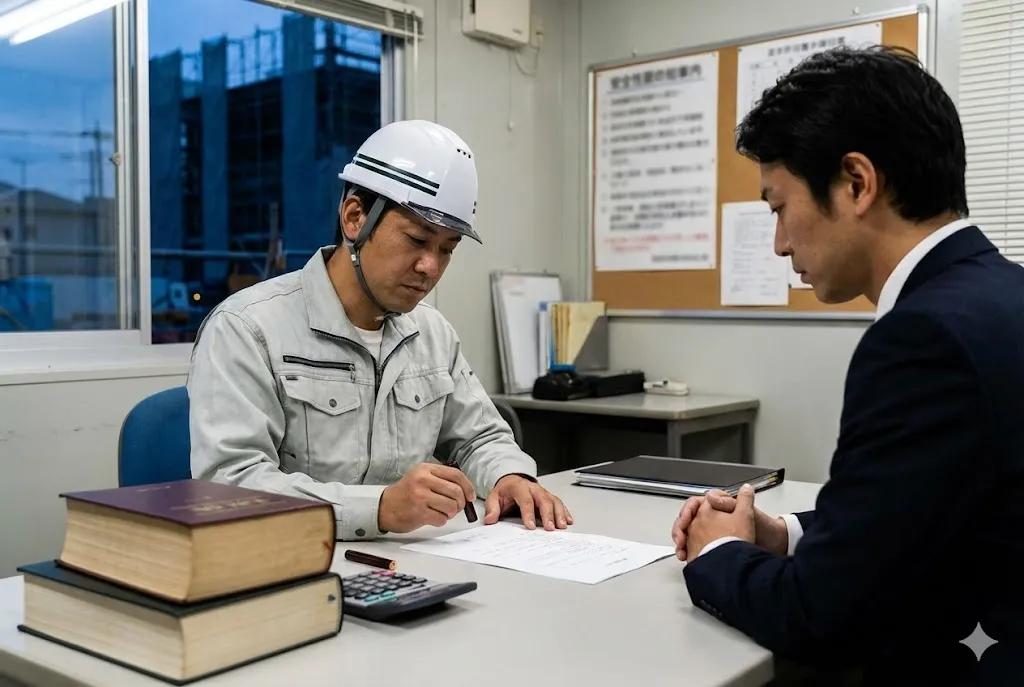
Picture by Sora Shimazaki
Clear procurement records can help prevent disputes
The case also illustrates the importance of keeping reliable procurement records. When contractors are appointed, project teams should be able to explain why a particular supplier was selected and how the decision was reached. This includes retaining quotations, tender evaluation records, approval documents, declarations of interest and relevant meeting minutes.
For larger projects, tender evaluation should consider more than the initial price. Scope compliance, construction methodology, programme, contractor capability and potential risks may also affect the overall value of a submission. Singapore’s government procurement framework similarly emphasises transparency, open and fair competition, and value for money. Although public-sector procurement requirements should not automatically be applied to every private project, these principles offer useful guidance for good procurement practice.
How quantity surveyors can support procurement transparency
Quantity surveyors can help project teams make informed procurement decisions through structured cost and commercial assessments. Their work may include reviewing tender submissions, comparing contractor quotations, identifying pricing discrepancies and clarifying scope exclusions before recommendations are made.
Maintaining a clear record of the evaluation process also helps explain how the recommended contractor was selected. For developers, managing agents and project owners, engaging quantity surveying services can support more consistent procurement documentation and cost control.
However, commercial evaluation alone cannot resolve every governance concern. Appropriate declarations, approval procedures and independent decision-making remain important wherever conflicts of interest may arise.
A reminder for project teams
The case is a reminder that procurement decisions can have consequences beyond cost and project delivery. Where relationships with contractors are not properly disclosed, questions about fairness and accountability may develop into wider disputes.
For developers, contractors, consultants and management councils, establishing clear procedures from the beginning can help protect both project interests and professional relationships.
Ultimately, transparent procurement, sound cost assessment and reliable documentation can help reduce uncertainty and build trust throughout the construction process.
Find out how our Quantity Surveying Services can support transparent and effective procurement.
Frequently Asked Questions
What is a conflict of interest in construction procurement?
Answer: A conflict of interest may arise when a person’s personal or financial interests could conflict with their responsibilities in a procurement decision. The relevant disclosure and management requirements depend on the person’s role and applicable rules.
Why is declaring contractor relationships important?
Answer: Disclosure allows the organisation to assess potential conflicts and implement appropriate safeguards. It also helps maintain confidence that procurement decisions are made fairly.
How can quantity surveyors help improve procurement transparency?
Answer: Quantity surveyors can support tender preparation, quotation comparisons, cost analysis, scope reviews and procurement documentation, helping decision-makers evaluate submissions more systematically.
Does appointing a related contractor automatically mean misconduct?
Answer: No. A relationship alone does not establish misconduct. The applicable duties, disclosures, approval procedures, decision-making process and available evidence must be considered.
What procurement records should project teams maintain?
Answer: Useful records include quotations, tender submissions, evaluation reports, declarations of interest, approval records, meeting minutes and relevant correspondence.
References
- Toh Yong Chuan. “Condo chairman loses defamation suit over undisclosed links to contractors hired by estate.” The Straits Times, 30 October 2026. https://www.straitstimes.com/business/condo-chairman-loses-defamation-suit-over-undisclosed-links-to-contractors-hired-by-estate
- Singapore Courts. Mohamed Rafi Bin Mohamed Kassim v Cherlyn Ang Kwee Hiang [2026] SGMC 120. https://www.elitigation.sg/gd/s/2026_SGMC_120
- Singapore Statutes Online. Building Maintenance and Strata Management Act 2004, including provisions relating to conflicts of interest and council members’ duties. https://sso.agc.gov.sg/Act/BSMA2004
- Building and Construction Authority (BCA). COB Circular: Sections 60 and 61 of the Building Maintenance and Strata Management Act. https://www.bca.gov.sg/bmsm_eservice/Others/COB_Circular_Section_60_and_61.pdf
- Building and Construction Authority (BCA). Proceedings of a Council Meeting. https://www1.bca.gov.sg/docs/default-source/docs-corp-regulatory/building-maintenance-and-strata-management/smg5-proceedings-of-a-council-meeting.pdf
- Royal Institution of Chartered Surveyors (RICS). Conflicts of Interest. https://www.rics.org/profession-standards/rics-standards-and-guidance/conduct-competence/conflicts-of-interest