dk@dkoutsource.com


In the construction world, there are a few topics that generate as much debate as variation orders. They are a natural part of project delivery, but then they often become the source of disputes, delays, and unexpected costs. For contractors, consultants, and clients, understanding how variation orders work and how they impact project budgets is essential for maintaining profitability and trust.
What Are Variation Orders?
A variation order is a formal instruction in a construction contract that changes the original scope of work. It can involve adding new tasks, removing existing work, or changing specifications. Once it’s approved, it then becomes legally binding and alters the contract’s cost and timeline.
Variation orders are not always bad. In fact, sometimes they’re necessary due to unforeseen circumstances which can include but aren’t limited to site conditions, regulatory changes, or client preferences. The challenge lies in managing them effectively so they don’t spiral into uncontrolled cost overruns.
Types of Variation Orders
Variation orders are not all the same — they differ in scope, intent, and financial impact. Classifying them helps project teams anticipate risks and manage costs more effectively. Each type reflects a different reason for change, no matter if it’s adding scope, removing work, substituting materials, or altering design. Understanding these categories is important because of the way a variation is handled. It can determine whether it becomes a manageable adjustment or a costly dispute.
The four general types are:
| Type of Variation | What It Involves | Typical Cost Impact |
| Additive Variation | Adds new work, such as additional mechanical or electrical installations. | Usually increases contract value and may extend the programme. |
| Omissive Variation | Removes part of the original scope, such as decorative finishes. | Usually reduces contract value and may shorten the programme. |
| Substitution Variation | Replaces specified materials, products, or construction methods with alternatives. | May increase or reduce costs depending on the replacement. |
| Design Change Variation | Changes specifications, layouts, or design requirements following client or consultant decisions. | Can significantly increase costs and cause delays if introduced late. |
The Cost Impact of Variation Orders
Variation orders can have a significant effect on overall project costs, which then results in substantial additional expenditure beyond the original contract value. For contractors, the objective is not to eliminate variation orders entirely, as changes are a common part of construction projects. Instead, the focus should be on managing them effectively with all parties involved. It should be done through clear communication, proper documentation, and proactive engagement.
The financial impact can be seen in several ways:
- Cash flow strain: Major variations can result in large amounts being tied up in disputed claims, placing pressure on project liquidity and financial planning.
- Tendering risks: Extensive changes may require a project to be re-tendered if they fundamentally alter the original scope or nature of the works.
- Disputes: Variations that are not clearly documented and agreed upon can lead to disagreements regarding valuation, entitlement, and payment.
Common Causes of Variation Orders
Variation orders can arise at any stage of a construction project and are often the result of changing project requirements, unforeseen circumstances, or the need to improve project outcomes. Each cause has a different cost implication, but all require careful documentation to avoid disputes.
Some causes are from:
- Design errors or incomplete drawings.
- Client-driven changes, such as upgrading finishes mid-project.
- Site conditions that differ from initial surveys.
- Regulatory requirements forcing compliance updates.
- Contractor suggestions for efficiency or safety improvements.
Regardless of their origin, all variation orders should be carefully assessed, documented, and communicated. It’s important that there’s clear records of the reasons for the change, the associated costs, and any impact on the project schedule. These records are essential for maintaining transparency and reducing the likelihood of disputes between project stakeholders.

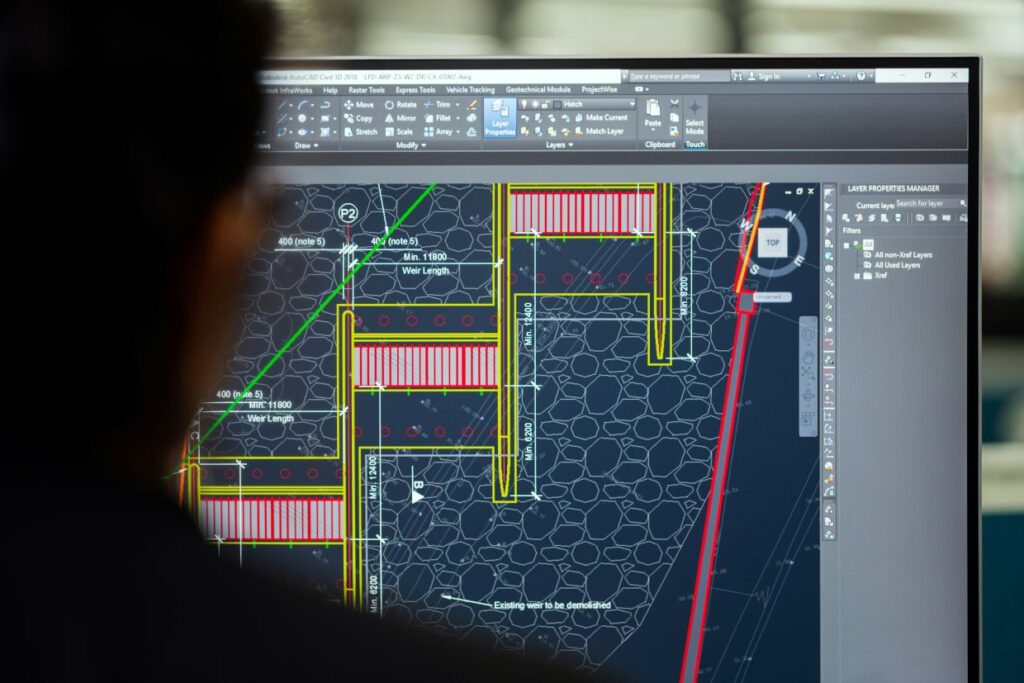
Picture by thirdman on pexels
Managing Variation Orders Effectively
Variation orders are inevitable, but their impact doesn’t have to create problems. If they aren’t managed properly, they can reduce profit margins, delay schedules, and strain relationships between all involved. The difference lies in how they’re treated, bringing the question of are they being treated as formal contractual amendments or as ad‑hoc adjustments?
To minimise financial and contractual risks, project teams should change some structured management practices:
- Clear documentation: Record scope, reason, cost, and time impact for every variation.
- Formal approval: Ensure signatures from all parties before execution.
- Valuation methods: Use contract pricing models (lump sum, remeasurement) for fair cost assessment.
- Technology tools: Platforms can track changes, approvals, and financial impact in real-time.
- Dispute prevention: Transparent communication reduces conflicts and strengthens client relationships.
Best Practices for Cost Control
If not managed well, variation orders can quickly accumulate into significant financial burdens. To safeguard profitability and maintain project efficiency, contractors and consultants need to take careful approaches that balance flexibility with accountability.
Contractors and consultants can use several strategies to keep variation costs under control:
- Proactive planning: Identify potential variations early during design and feasibility stages.
- Financial discipline: Track cumulative variation costs against the overall project budget.
- Governance structures: Assign clear roles for approving and documenting changes.
- Benchmarking: Compare variation costs against industry norms to detect anomalies.
- Fair negotiation: Ensure valuation reflects actual work and market rates.
Conclusion
Variation orders are an unavoidable reality in construction projects. However, their cost impact can be controlled with proper documentation, valuation, and management. By treating them as structured contractual amendments rather than ad-hoc changes, contractors and clients can protect margins, reduce disputes, and maintain project efficiency.
Ultimately, the difference between a project that absorbs variation orders smoothly and one that collapses under their weight lies in management discipline and transparency. For professionals in the industry, mastering variation order management is not just about compliance — it’s about safeguarding profitability and reputation.
References:
- Construction Front. Variation Order (VO) in Construction: Templates, Examples and Process. Retrieved from Construction Front article
- HashMicro. A Comprehensive Guide to Variation Orders. Retrieved from HashMicro article
- Society of Construction Law Singapore. A Practical Guide to Preparing Variation Claims. Retrieved from SCL Singapore guide