dk@dkoutsource.com

Summary:This briefing outlines the commercial, technical, and quantity surveying (QS) strategies required to navigate AI-driven data centre development across three pillars: capital bifurcation, tenant contracting profiles, and APAC regional expansion.
Financing: Separate Financing for Data Centre (Real Estate/Infrastructure) vs. GPUs (IT/Hardware)
Separating the core shell-and-core/MEP infrastructure from the active IT hardware (GPUs) splits a project into long-term infrastructure CapEx and high-depreciation, fast-obsolete OpEx/CapEx.
Risk Allocation
- Interface & Interface Liability: Ring-fencing the core build (shell, power, cooling) from the GPU fit-out creates a strict demarcation line. The QS must draft clear Interface Matrices to avoid disputes over who is liable for commissioning delays—whether caused by the main contractor’s cooling performance or late delivery/installation of high-density GPU racks.
- Redundancy & Over-Specification Risk: High-density GPU chips require specialized liquid cooling (Direct-to-Chip or Immersion). If the base build is financed and built to a generic spec while GPUs demand high-power densities (e.g., >50kW to 100kW+ per rack), base-build infrastructure risks becoming stranded or under-utilized, driving up sunk costs.
Cost Efficiency
- Targeted Value Engineering (VE): Base-build infrastructure can be procured under traditional long-term infrastructure funding models (lower cost of capital, amortized over 15–30 years). The QS can focus VE efforts on modular, scalable MEP designs (e.g., prefabricated plant rooms, skid-mounted chillers) so CapEx is deferred until GPU deployment is guaranteed.
- Residual Value & Replacement Cycles: GPUs depreciate within 3–5 years, whereas civil, structural, and heavy electrical infrastructure lasts decades. Maintaining separate cost models prevents distorting the asset’s baseline yield and ensures GPU refresh cycles do not trigger costly structural alterations.
Customer Contracts: Hyperscalers vs. Neoclouds, Sanctions, & Lender Diligence
Customer profiles dictate cash flow certainty, contract forms, risk transfer, and lender strictness during pre-development and construction phases.
Risk Allocation
- Hyperscalers (Microsoft, AWS, Google): High bargaining power. They often demand strict, liquidated damages (LDs) for milestone delays, bespoke build specs, and non-negotiable SLAs. The QS must ensure these aggressive LD liabilities are back-to-back with the Main Contractor (EPC/Design & Build) to protect the developer’s margin.
- Neoclouds & PRC-Heavy Base: Higher credit risk and default profile compared to hyperscalers. If export controls or sanctions hit a PRC tenant, revenues can halt mid-build. The QS must structure staged procurement and phased retention release to prevent the developer/lender from being left holding unpaid progress claims or un-utilized bespoke fit-outs.
- Lender Technical Advisor (LTA) & Diligence: Lenders will perform strict diligence on drawdown requests. The QS must implement robust cost-reporting frameworks (Earned Value Management, detailed payment certificates) to ensure loan disbursements match physical progress without cash flow bottlenecks.
Cost Efficiency
- Standardization vs. Customization: Hyperscaler requirements require rigid compliance, leaving little room for post-contract cost savings. Neocloud tenant specs may be more flexible, allowing the QS to negotiate standardized, off-the-shelf equipment packages to optimize procurement lead times and capital expenditure.
- Contingency Management: Projects backed by Neoclouds or higher-risk tenants require larger risk contingency allowances in the budget to absorb potential customer-side delays or mid-project scope changes resulting from regulatory shifts.

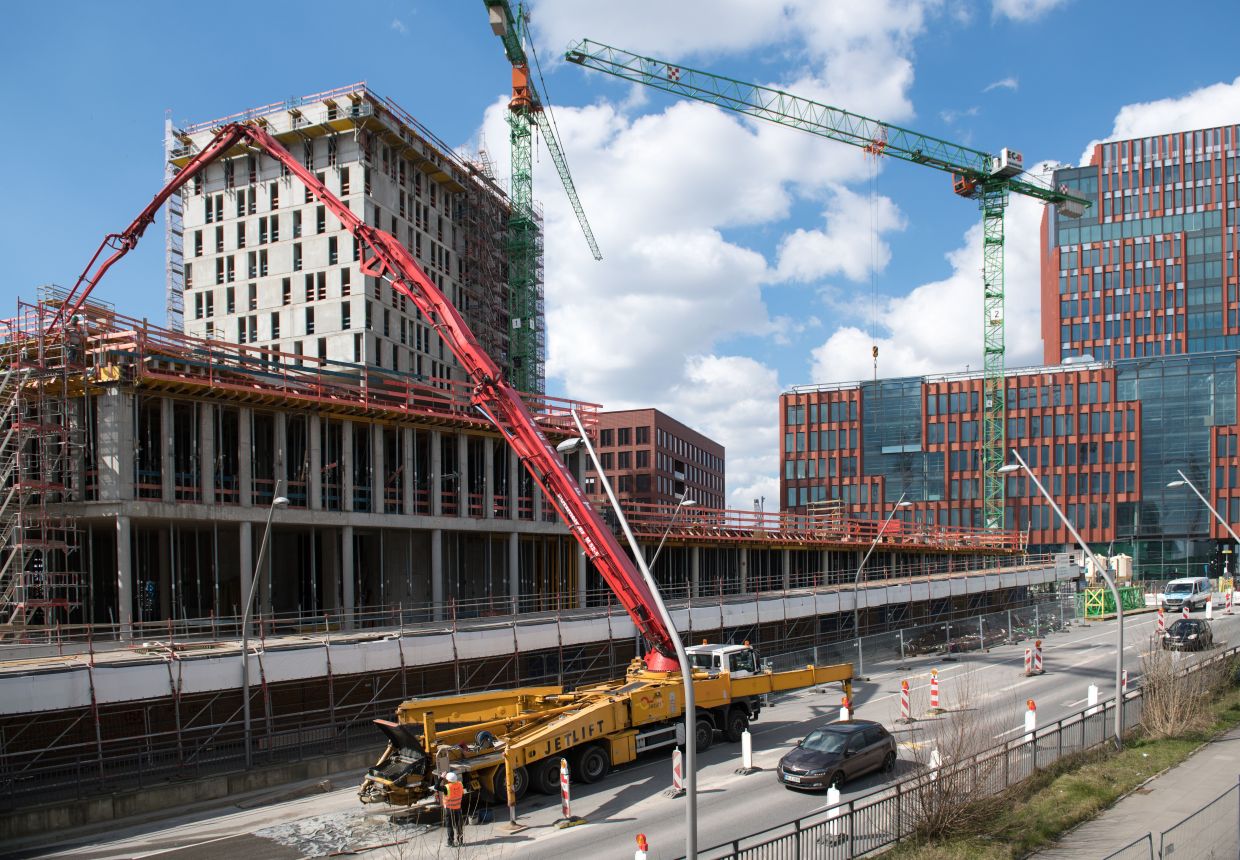
Picture from Pixabay
M&A and Corporate Structuring: Regional Trends (Australia vs. Rest of APAC)
Cross-border M&A and regional portfolio expansion require tailored procurement strategies and localized cost benchmarks across different APAC jurisdictions.
Risk Allocation
- Jurisdictional & Contractual Risk (Australia vs. APAC):
- Australia: A highly mature, regulated market with stringent labor laws, strong unions, strict planning approvals, and standard form contracts (e.g., AS 4000/4300). Cost risks stem primarily from high labor rates and supply chain cost inflation.
- Rest of APAC (e.g., SEA, India): Lower labor costs, but heightened risks around land acquisition, grid connection timelines, regulatory approvals, and supply chain import duties/tariffs.
- Supply Chain & Long-Lead Equipment (LLE): M&A strategies often rely on rapid deployment across regions. A major risk is key equipment bottlenecks (transformers, switchgear, generators). The QS must manage centralized vendor allocation or early-procurement packages to protect project completion schedules during asset integration.
Cost Efficiency
- Regional Benchmarking & Cost Modeling: In M&A due diligence, the QS conducts independent asset appraisals and capital expenditure forecasting. Standardized unit rates ($/MW or $/m²) vary significantly across APAC; accurate local market benchmarking prevents over-valuing assets during acquisition.
- Synergies in Procurement: Regional consolidation allows developers to execute bulk purchase agreements (framework agreements) for heavy MEP equipment across multiple assets in APAC, leveraging economies of scale to drive down unit costs per megawatt.
References
Clifford Chance Data Centres and AI Infrastructure Practice