dk@dkoutsource.com



Summary: Final account delays in commercial construction projects can disrupt cash flow, prolong contractual obligations and strain relationships between employers, contractors and subcontractors. This guide explores practical ways to resolve final account delays, manage construction payment disputes, reconcile variations and improve project closeout, with insights relevant to Singapore and international construction projects.
Understanding Final Account Delays in Construction
A final account is the agreed or contractually determined financial statement of the amount payable for a completed construction project, accounting for the original contract sum, variations, adjustments, payments and applicable deductions.
In Singapore’s commercial construction sector, delays in final account settlement can arise from unresolved variations, disputed measurements, incomplete documentation, outstanding claims or disagreements over contractual entitlements. Similar challenges occur in international projects, particularly where multiple parties and complex procurement arrangements are involved.
A delayed final account is not simply an administrative inconvenience. It can affect working capital, financial reporting, subcontractor payments and the timely closure of contractual obligations.
Common Causes of Final Account Delays
Several issues frequently prevent construction final accounts from being concluded:
- Unresolved variations: Disagreements over instructions, scope changes, valuation or contractual approval.
- Incomplete documentation: Missing measurement sheets, site records, delivery orders or supporting invoices.
- Disputed claims: Differences concerning extensions of time (EOT), loss and expense, or liquidated damages.
- Delayed assessments: Outstanding reviews, certifications or decisions by the contract administrator or relevant project representative.
- Poor reconciliation: Inconsistent records of previous payments, retention sums and deductions.
Identifying the underlying cause is essential before deciding how to resolve the outstanding items.
Practical Steps to Resolving Final Account Delays
-
Review the Contract and Establish Key Deadlines
Start by reviewing the construction contract, including provisions on final accounts, payment procedures, variations, retention, certification and dispute resolution.
Identify the responsible parties, submission requirements, assessment periods and any contractual notice requirements. Standard forms such as SIA, PSSCOC, FIDIC and NEC have different mechanisms; the applicable contract wording and amendments should always take precedence.
For Singapore projects, the Building and Construction Industry Security of Payment Act provides a statutory framework for eligible payment claims. However, its application to a particular final payment or claim depends on the contract, statutory requirements and circumstances.
-
Prepare a Comprehensive Final Account Reconciliation
Create one consolidated statement comparing the original contract sum against all financial adjustments and payments.
| Reconciliation item | What to verify |
| Original contract sum | Accepted contract amount |
| Variations | Instructions, approvals and valuations |
| Claims and adjustments | EOT-related costs and other entitlements |
| Deductions | Supported contractual deductions |
| Previous payments | Certified and paid amounts |
| Retention | Amount withheld and release conditions |
| Final balance | Net amount payable or disputed |
A transparent final account reconciliation allows parties to identify precisely where their figures differ instead of repeatedly exchanging conflicting totals.
-
Resolve Variations and Outstanding Claims Early
Separate agreed variations from disputed items. For each outstanding variation, compile the relevant instruction, scope description, measurement, applicable rates and supporting records.
Present each claim clearly: contractual basis, work undertaken, valuation method and amount sought.
Where possible, agree on straightforward items first, leaving complex matters for focused discussion. This reduces the volume of unresolved issues and creates momentum towards settlement.
-
Strengthen Documentation and Communication
Effective construction contract administration depends on consistent, traceable records.
Project teams should maintain:
- A central variation and claims register.
- Updated payment and retention schedules.
- Supporting correspondence and site records.
- A list of disputed items, responsible persons and target dates.
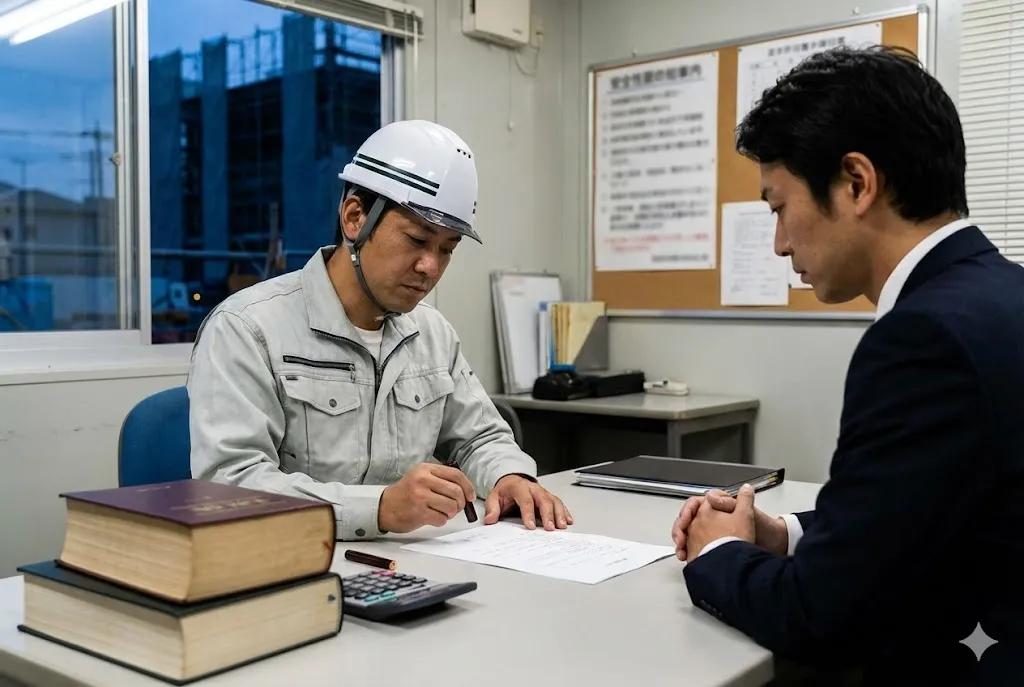
Arrange regular commercial meetings with the employer, contractor, quantity surveyor and relevant consultants. Record decisions, action owners and outstanding issues in writing.
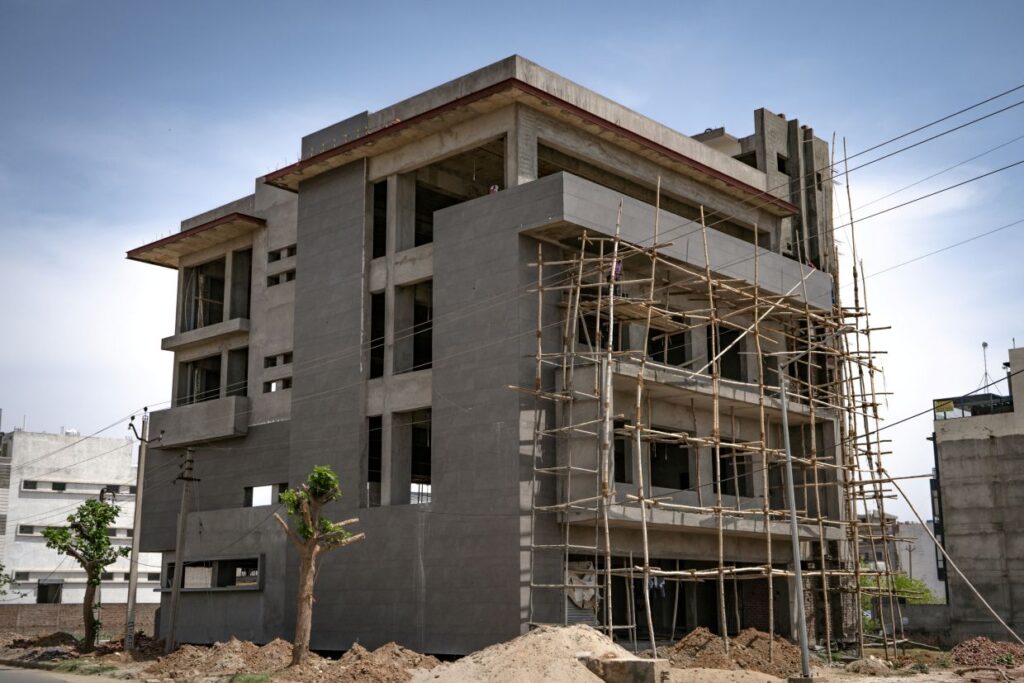
Picture by Design Hills on Unsplash
-
Use Professional Quantity Surveying Support
An experienced quantity surveyor can independently review measurements, assess variation valuations, reconcile payment histories and identify discrepancies between competing final account submissions.
For complex projects, professional quantity surveying services can provide a structured, evidence-based assessment of disputed amounts, helping parties negotiate with greater clarity.
-
Escalate Disputes Through Appropriate Channels
If negotiations stall, consider mediation, adjudication, arbitration or litigation, depending on the contract and applicable law.
Singapore’s Security of Payment Act (SOP Act) provides an adjudication mechanism for eligible payment disputes, subject to statutory requirements and strict procedural deadlines. It should not automatically be treated as a complete substitute for final account resolution.
BCA describes the Act as providing a “fast and low-cost adjudication mechanism” for payment disputes. This highlights the importance of addressing payment issues promptly rather than allowing disagreements to accumulate.
Preventing Future Final Account Delays
Prevention begins before practical completion. Commercial teams should adopt these practices:
- Agree on submission formats and closeout responsibilities at project commencement.
- Value variations progressively instead of deferring them until completion.
- Reconcile payment records and claims monthly.
- Track contractual notices and assessment deadlines.
- Prepare draft final accounts ahead of completion where practicable.
These measures improve construction project closeout, financial visibility and accountability across the supply chain.
Conclusion
Resolving final account delays in Singapore commercial projects requires disciplined contract administration, reliable documentation, timely reconciliation and constructive communication. By addressing variations and claims progressively, supported by professional commercial expertise, project stakeholders can reduce disputes, protect cash flow and achieve more efficient project closeout.
Frequently Asked Questions
What causes final account delays in construction projects?
Answer: Common causes include unresolved variations, incomplete supporting documents, disputed measurements, outstanding claims and delayed assessments.
How can contractors speed up final account settlement?
Answer: Contractors can improve final account settlement by maintaining accurate records, reconciling payments regularly, submitting complete claims and addressing variations before project completion.
What documents are needed for a construction final account?
Answer: Typical documents include the contract, bills of quantities, variation instructions, measurement records, payment certificates, invoices, claims correspondence and relevant completion records, subject to contractual requirements.
Does Singapore’s Security of Payment Act cover final account disputes?
Answer: Certain final payment disputes may fall within the Act, but coverage depends on the nature of the claim, applicable statutory requirements and contractual circumstances. Parties should seek appropriate advice.
Is mediation suitable for final account disputes?
Answer: Mediation can be useful where parties want to negotiate a settlement with the assistance of a neutral mediator, particularly when preserving business relationships is important.
How can final account delays be prevented on future projects?
Answer: Establish clear closeout procedures, maintain updated cost records, agree variations progressively and monitor contractual deadlines throughout the project.
References
- Building and Construction Authority (BCA) – Security of Payment Act https://www1.bca.gov.sg/growth-and-transformation/procurement/procurement-and-legal-frameworks/security-of-payment-act/
- Singapore Statutes Online – https://sso.agc.gov.sg/Act/BCISPA2004
- Royal Institution of Chartered Surveyors (RICS) – Final Account Procedures https://www.rics.org/profession-standards/rics-standards-and-guidance/sector-standards/construction-standards/black-book/final-account-procedures
- RICS – Commercial Management of Construction https://www.rics.org/content/dam/ricsglobal/documents/standards/Commercial-management-of-construction_1st-edition.pdf
- Singapore Mediation Centre (SMC) – Adjudication Services https://mediation.com.sg/our-services/overview-of-services/adjudication-2/
- Ministry of Law – Singapore Infrastructure Dispute-Management Protocol (SIDP) https://ask.gov.sg/mlaw/questions/cmg4n150b016coh8xtzpzso5v
- Singapore Courts – Mediation https://www.judiciary.gov.sg/alternatives-to-trial/mediation