dk@dkoutsource.com



Summary: NEC4 Clause 60 establishes the framework for identifying compensation events that may affect construction project costs and completion dates. Understanding how these events work, what qualifies for compensation and how risks are allocated can help contractors, clients and project managers manage changes, avoid disputes and maintain project progress. This guide explores the key provisions of NEC4 ECC Clause 60, with practical insights relevant to Singapore and international construction projects.
What Is NEC4 Clause 60?
NEC4 Clause 60 is a core provision of the NEC4 Engineering and Construction Contract (ECC) that identifies events which may entitle a contractor to adjustments to the Prices, Completion Date or Key Dates. According to NEC Contracts, a compensation event is an event that can affect the cost to the Client or the time required to complete the works. It provides a contractual mechanism for assessing these effects rather than treating every change as a separate claim.
Importantly, not every delay or increase in expenditure qualifies. The event must fall within the relevant contractual provisions, including Clause 60.1, applicable options and any additional events stated in the Contract Data.
What Events Qualify for Compensation?
NEC4 ECC Clause 60.1 identifies circumstances that may constitute compensation events. Common examples include:
- Changes to Scope: The Project Manager instructs a change to the Scope, subject to contractual exceptions.
- Delayed site access: The Client fails to provide access to the Site as required by the contract.
- Late information or resources: The Client does not provide specified items by the required date.
- Unexpected physical conditions: The contractor encounters qualifying physical conditions that an experienced contractor would have judged to have a small chance of occurring.
- Instructions to stop work: Certain instructions to stop or not start work, or changes to a Key Date, may qualify.
- Client-related events: Certain Client liabilities, contractual breaches or prevention events may qualify under the applicable provisions.
The precise entitlement depends on the contract wording, risk allocation and circumstances. Adverse weather, for example, does not automatically qualify; the applicable contractual test and weather provisions must be considered.
Key Definitions and Contractual Principles
Understanding these terms helps parties apply NEC4 compensation events consistently:
- Compensation event: A contractual event that may result in adjustments to the Prices, Completion Date or Key Dates, assessed under the contract.
- Scope: The contractual description of the works and services to be provided, including relevant requirements and constraints.
NEC Contracts explains that compensation events are the mechanism through which changes to time and money are addressed. Its guidance also emphasises that compensation events may result in additional payment, additional time, both or neither. This distinction matters: a recognised compensation event does not automatically guarantee extra payment or an extension of time. The assessment determines its actual impact.
How Does the Compensation Event Process Work?
Identifying an event early is essential. Under the standard NEC4 ECC procedures, the process generally involves:
- Identify and notify: The Project Manager or Contractor identifies a potential compensation event and follows the relevant notification requirements.
- Assess the event: The Project Manager responds to the notification in accordance with the contract.
- Submit a quotation: Where required, the Contractor prepares a quotation explaining the forecast impact on cost and time.
- Review the assessment: The Project Manager assesses the quotation or makes an assessment where the contract permits or requires it.
- Implement the change: Once implemented, the revised contractual Prices or dates are incorporated as applicable.
Standard NEC4 ECC provisions commonly provide a one-week response period for the Project Manager and a three-week quotation period for the Contractor, subject to contractual provisions, extensions and applicable exceptions. Contractors should also note the standard eight-week notification time bar for certain events notified by the Contractor, subject to stated exceptions and amendments.

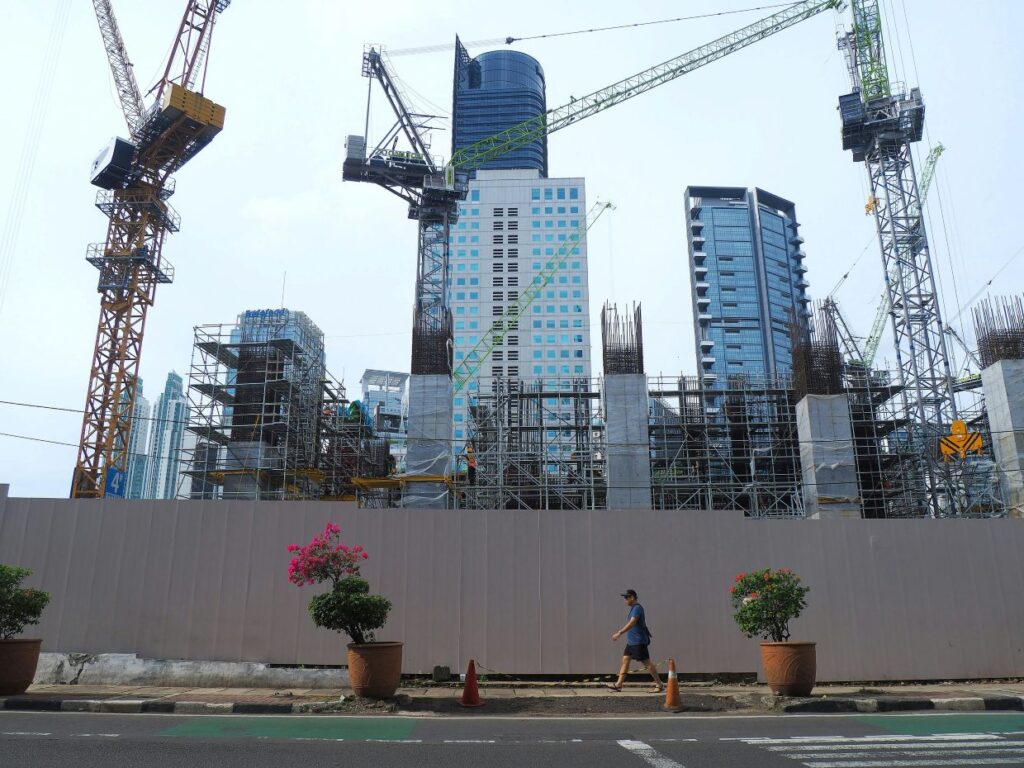
Picture by Mikael Blomkvist on Pexels
Practical Considerations for Singapore Projects
Singapore’s construction industry increasingly recognises collaborative contracting as a way to improve project coordination and risk management. The Building and Construction Authority (BCA) introduced localised NEC4 contract clauses for Singapore construction and engineering projects, including Y(SG), W and Z clauses.
For projects in Singapore, parties should consider:
- Contract amendments: Review Singapore-specific clauses, additional compensation events and changes to standard NEC4 provisions.
- Documentation: Maintain clear records of instructions, programmes, site conditions, correspondence and cost forecasts.
- Early warnings: Raise risks promptly and explore mitigation measures collaboratively.
- Risk allocation: Check whether weather, regulatory changes, access constraints or unforeseen conditions are covered by the contract.
These practices also apply to international projects, where local legislation, procurement requirements and project-specific amendments can influence contractual outcomes.
Common Mistakes to Avoid
Poor compensation event management can create unnecessary disputes and financial uncertainty. Common mistakes include:
- Assuming every variation or delay qualifies automatically.
- Missing contractual notification deadlines.
- Providing insufficient supporting records or cost breakdowns.
- Overlooking the effect on the Accepted Programme.
- Treating early warnings and compensation event notifications as interchangeable.
A disciplined approach helps parties evaluate entitlement, minimise disruption and support more reliable project forecasting.
Conclusion
NEC4 Clause 60 plays an important role in managing contractual changes and allocating construction risks. By understanding qualifying events, complying with notification requirements and maintaining accurate records, contractors, clients and project managers can improve cost control, programme management and dispute avoidance.
For construction projects in Singapore and beyond, professional contract administration and a clear understanding of the applicable contract amendments remain essential to effective compensation event management.
Frequently Asked Questions
What is NEC4 Clause 60?
Answer: NEC4 Clause 60 identifies events that may entitle the Contractor to adjustments to the Prices, Completion Date or Key Dates.
Does every compensation event entitle a contractor to extra payment?
Answer:No. The assessment may result in additional payment, additional time, both or neither. Some assessments may even reduce payment.
Who can notify a compensation event?
Answer:The Project Manager or Contractor may notify compensation events, depending on the circumstances and applicable contractual procedures.
What is the NEC4 compensation event notification deadline?
Answer:Under the standard ECC provisions, certain Contractor notifications are subject to an eight-week time bar, with exceptions. The applicable contract wording must be checked.
How does Clause 60 apply to Singapore construction projects?
Answer:It provides a contractual framework for managing qualifying events, subject to Singapore-specific amendments, applicable law and project requirements.
What is the difference between an early warning and a compensation event?
Answer:An early warning identifies a matter that could affect the project and encourages mitigation. A compensation event is a contractual mechanism for assessing qualifying effects on time and money.
References
- NEC Contracts – Clause 60: Compensation Events https://www.neccontract.com/news/clause-60-%E2%80%93-compensation-events
- NEC Contracts – Compensation Events: An Introduction for New NEC Users https://www.neccontract.com/news/compensation-events-an-introduction-for-new-nec-users
- Building and Construction Authority – Collaborative Contracting https://www1.bca.gov.sg/growth-and-transformation/procurement/progressive-procurement-approaches/collaborative-contracting/
- NEC4 Engine – Clause 60.1: Compensation Events https://www.nec4engine.com/clauses/60.1
- LexisNexis – Interpreting the List of Compensation Events (Clause 60) https://www.lexisnexis.co.uk/legal/guidance/nec-contracts-interpreting-the-list-of-compensation-events-clause-60