dk@dkoutsource.com


Communication breakdowns are among the most common challenges businesses face, particularly in construction, engineering, IT, and professional services. When expectations are unclear or updates are delayed, minor misunderstandings can quickly escalate into costly disputes that derail timelines, inflate budgets, and damage professional relationships.
Fortunately, these conflicts are largely preventable. By improving communication, teams can foster transparency, align expectations, and resolve issues collaboratively before they escalate. This guide explores practical strategies for reducing project disputes and highlights why effective communication is essential for success.
Why Project Communication Matters
Effective communication is the cornerstone of successful project delivery. Every project involves diverse stakeholders—clients, contractors, consultants, suppliers, and team members—each with distinct objectives and responsibilities. Without clear communication, critical information is easily misunderstood, overlooked, or delayed.
Contractual communication refers to the formal exchange of notices, instructions, approvals and other information between parties to a construction contract. -FIDIC
These communication gaps frequently lead to:
- Misunderstood project scopes
- Missed deadlines
- Budget overruns
- Conflicting expectations
- Quality control issues
- Contractual disagreements
Strong communication ensures everyone remains informed, aligned, and accountable from project kick-off to completion.
Common Causes of Project Disputes
Dispute avoidance is the use of processes and practices intended to identify and address potential disagreements before they develop into formal disputes. -FIDIC
Understanding the root causes of conflict is the first step toward prevention. While every project is unique, several communication pitfalls consistently drive disputes:
- Unclear Project Scope: A poorly defined scope is a leading cause of conflict. When requirements lack clear documentation, stakeholders develop differing interpretations—for example, a client may expect specific deliverables that the project team considers out of scope. These misunderstandings routinely cause disagreements over costs, timelines, and responsibilities.
- Inadequate Documentation: Verbal agreements are easily forgotten or misconstrued. Without a reliable paper trail, verifying decisions, approvals, and changes becomes nearly impossible. Accurate documentation serves as a reliable reference point if questions arise later.
- Poor Stakeholder Engagement: Excluding key stakeholders from critical discussions leads to feelings of marginalization. This breeds resistance, confusion, and avoidable friction that proactive communication could have prevented.
- Delayed Information Sharing: Timely updates are crucial. Delaying the communication of risks or issues prevents stakeholders from taking early corrective action, increasing frustration and the likelihood of formal disputes.
Strategies to Improve Project Communication
Implementing robust communication practices drastically reduces the risk of disputes while elevating overall project outcomes:
| Communication practice | What it should cover | Dispute risk reduced |
| Clear communication channels | Who communicates what, through which channel and how often | Missed or inconsistent information |
| Detailed documentation | Decisions, approvals, changes, meeting minutes and project records | Disagreements over what was agreed |
| Regular progress meetings | Progress, risks, responsibilities and outstanding issues | Delayed identification of problems |
| Open dialogue | Concerns, questions and emerging issues | Unresolved misunderstandings |
| Structured change management | Change request, cost and time impact, review and approval | Scope, cost and programme disputes |
The Role of Technology in Project Communication
Modern project management platforms offer centralized hubs for tracking progress, sharing information, and housing documentation. Features like real-time updates, automated notifications, task tracking, and document sharing minimize the risk of lost information across multiple channels. When fully leveraged, these tools streamline project collaboration and eliminate the miscommunications that typically trigger disputes.

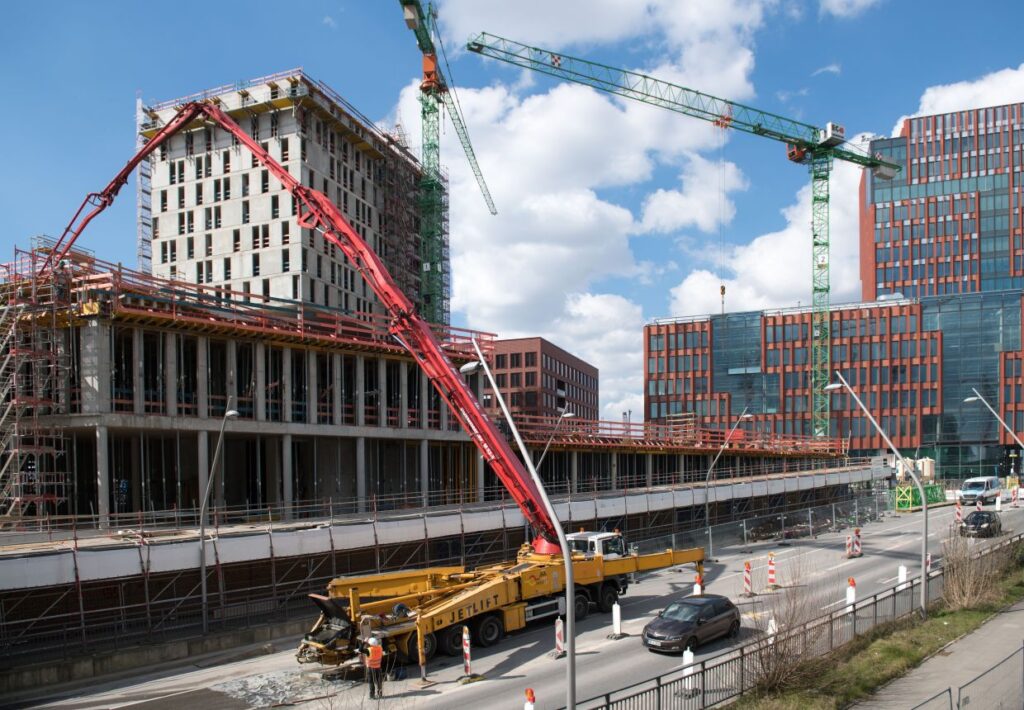
Picture by pexels mart pro
Benefits of Better Project Communication
Investing in communication goes beyond dispute prevention—it optimizes the entire project lifecycle:
- Improved Stakeholder Relationships: Transparency builds trust. Informed stakeholders are more likely to support decisions and work collaboratively toward shared goals.
- Increased Project Efficiency: Seamless information flow reduces time wasted untangling misunderstandings, boosting overall productivity and keeping projects on schedule.
- Reduced Financial Risk: Disputes are expensive—incurring legal fees, delays, and rework. Effective prevention strategies protect project profitability and preserve business relationships.
- Better Decision-Making: Access to accurate, timely data empowers stakeholders to adapt swiftly to changing circumstances and significantly reduces uncertainty.
Conclusion
Technical expertise alone cannot guarantee a successful project; strong communication is equally vital for managing expectations and stopping disputes before they occur. By formalizing communication channels, maintaining meticulous records, engaging stakeholders regularly, and embracing structured change management, organizations can drastically reduce conflict. Ultimately, communication is not just an administrative chore—it is a strategic tool for safeguarding profitability, building stakeholder trust, and ensuring overall project success. Organizations that prioritize consistent communication are best positioned to deliver projects on time, within budget, and with minimal friction.
References
- Association for Project Management (APM). (n.d.). Stakeholder engagement. https://www.apm.org.uk/resources/find-a-resource/stakeholder-engagement/
- Atlassian. (n.d.). Project management and communication best practices.https://www.atlassian.com/work-management/
- Gamage, A. N. K. K. (2022). Importance of Effective Communication to Minimize Disputes in Construction Projects. Scholars Journal of Engineering and Technology, 10(7), 128–140. https://www.researchgate.net/publication/362012810_Importance_of_Effective_Communication_to_Minimize_Disputes_in_Construction_
- World Commerce & Contracting. (n.d.). Contracting and commercial management research. https://www.worldcc.com