dk@dkoutsource.com

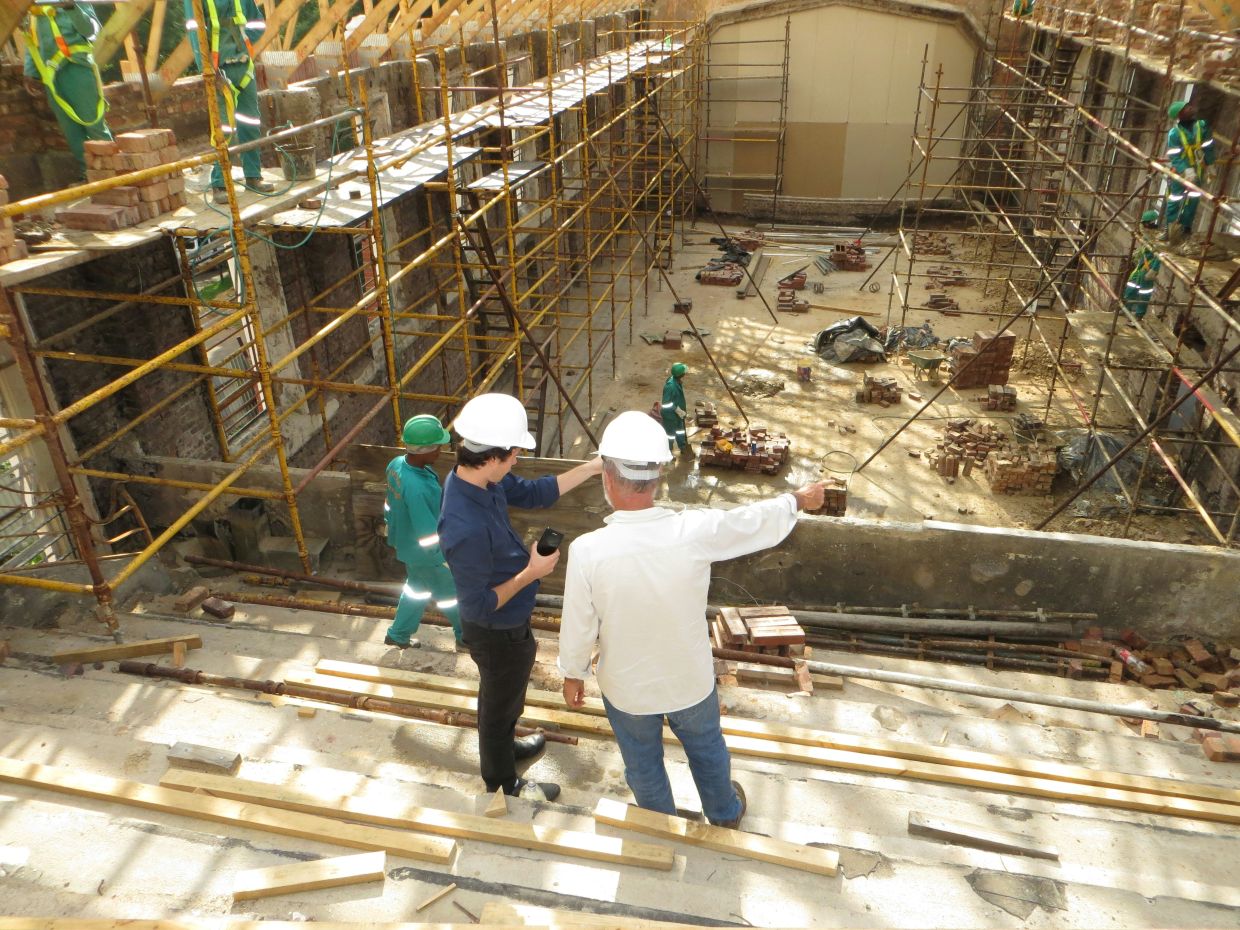
The construction industry remains a critical engine of economic growth across Southeast Asia, driven by substantial investments in infrastructure, residential developments, industrial facilities, and commercial projects. In Singapore, the sector continues to evolve through large-scale developments, major transport infrastructure upgrades, and the increasing adoption of digital construction technologies.
However, despite these advancements, construction projects are rarely without challenges. From project delays and cost overruns to contractual disputes and site-related issues, even the most meticulously planned developments can encounter obstacles that disrupt timelines, inflate budgets, and strain stakeholder relationships. For industry professionals—including contractors, developers, consultants, and project managers—proactively understanding and managing these risks is essential to delivering successful outcomes in an increasingly competitive environment.
Construction risk refers to potential conditions or events that can affect a project’s cost, programme, quality or delivery, including risks arising from site conditions, ground conditions, existing services and delays. -RICS
Core Construction Risks Facing Modern Projects
Because construction projects involve multiple stakeholders, compressed timelines, and heavy capital investments, risks can emerge at any stage of the project lifecycle.
- Persistent Labour Constraints: Over the years, Singapore’s labour market has evolved alongside technological advancements; however, securing an adequate supply of manpower remains a primary concern. The sector relies heavily on a highly skilled workforce, meaning that fluctuations in manpower availability directly impact project schedules and overall productivity.
- Material Price Volatility: Rising material costs continue to challenge project budgets, exacerbated by ongoing global supply chain disruptions and price volatility.
- Design and Process Delays: Project schedules are highly vulnerable to delays arising from late design modifications, protracted permit approvals, and procurement bottlenecks.
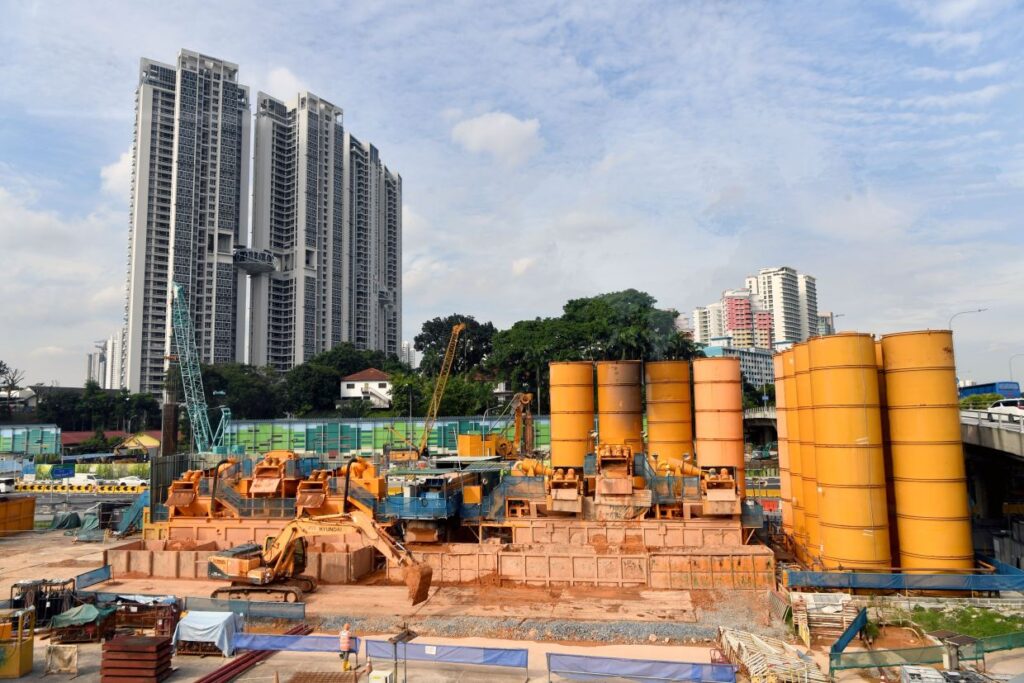
- Unforeseen Site Conditions: Ground risk remains a significant wild card. Discovering undocumented underground utilities during excavation, encountering soil instability, or dealing with unexpected groundwater issues can force immediate redesigns, halt site operations, and require specialized engineering assessments.
- Weather and Environmental Factors: Heavy rainfall can disrupt foundation works and early-stage excavation. While Singapore generally experiences a stable climate, regional projects in neighbouring countries such as Malaysia, Vietnam, and the Philippines face more severe schedule disruptions during monsoon seasons and extreme weather events.
Successfully managing these risks requires proactive planning, contingency budgeting, and structured, regular project reviews to identify and mitigate issues before they escalate.
The Four Primary Causes of Construction Disputes
Construction disputes are among the most expensive and disruptive challenges in the industry, halting project progress, damaging professional relationships, and leading to severe financial consequences.
Disagreements typically stem from four primary areas:

1. Unclear Contractual Obligations: When project scopes, design boundaries, and stakeholder responsibilities are vaguely defined, disagreements inevitably arise regarding who is accountable for specific tasks, delays, or associated costs.
2. Unmanaged Variation Orders: Changes to design specifications or client requirements mid-construction frequently disrupt both project costs and completion timelines. Without structured, transparent documentation and formal approval processes, these changes quickly lead to adversarial conflicts.
3. Payment and Valuation Disputes: Despite the protective framework of Singapore’s Building and Construction Industry Security of Payment (SOP) Act, which was enacted to facilitate timely payments and maintain supply chain cash flow, disagreements over work valuations, completed quantities, and interim payment certifications remain common.
4. Quality and Workmanship Concerns: Disagreements regarding workmanship standards, material specifications, and defect rectification responsibilities often require extensive technical evaluations and negotiations before a resolution is reached.
Ultimately, the most effective way to minimise disputes is to combine clear communication, detailed contracts, disciplined record-keeping, and early conflict resolution before issues harden into formal legal claims.
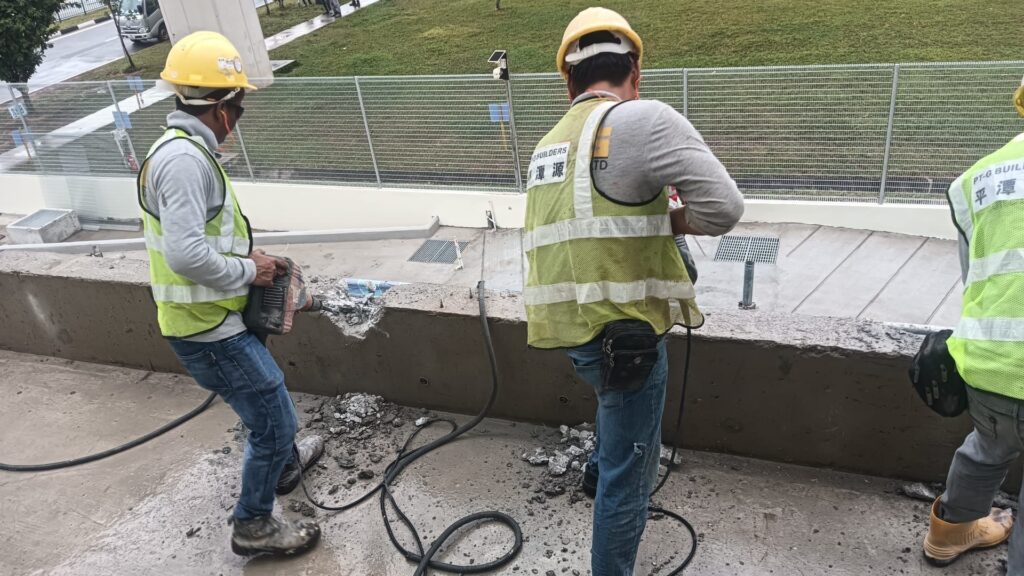
Picture by DK
Site Challenges Affecting Productivity and Safety
Because construction sites are highly complex, fast-moving environments where multiple activities occur simultaneously, strong site management is essential to protect productivity and ensure worker safety.
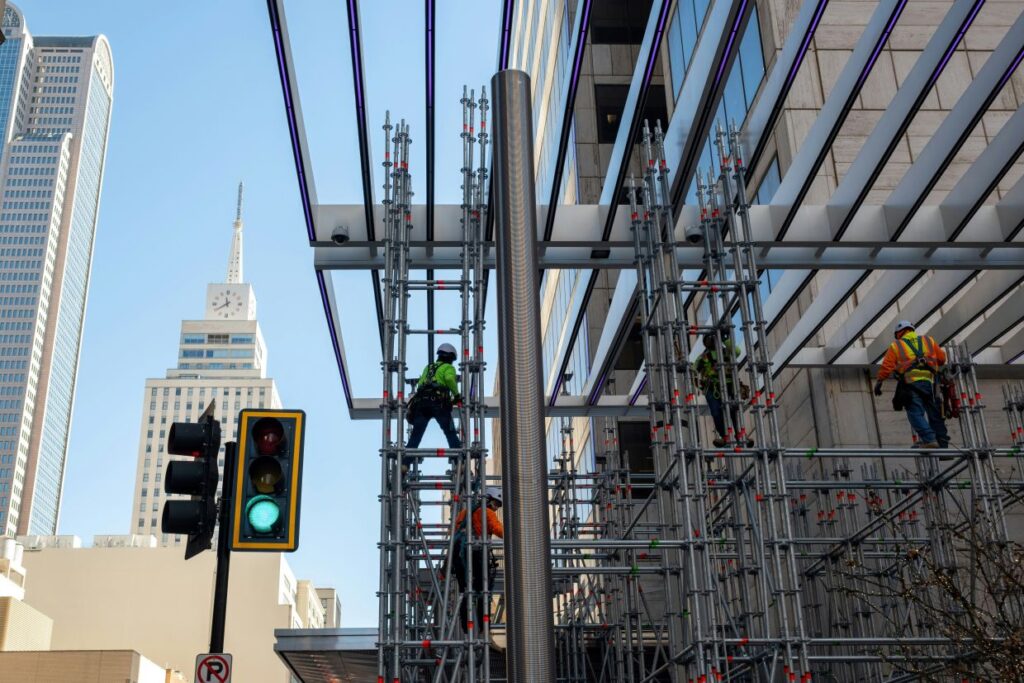
- Workplace Safety and Health: Activities such as working at heights, lifting operations, excavation works, and heavy equipment handling carry significant inherent risks. Regulatory authorities in Singapore continuously emphasize rigorous safety practices, strict compliance, and clear stakeholder accountability to prevent workplace incidents.
- Urban Site Congestion: Densely developed urban areas present tight spatial constraints. With limited room for material storage, machinery movement, and subcontractor coordination, logistics must be meticulously planned to prevent site bottlenecks and operational inefficiencies.
- Environmental Management and Compliance: Construction activities naturally generate dust, noise, vibration, and waste that can disrupt surrounding residential areas and businesses. Implementing robust environmental mitigation measures is critical to maintaining regulatory compliance and preserving community relations.
Strategic Framework for Risk and Dispute Mitigation
While risks cannot be completely eliminated, construction companies can dramatically improve project predictability by adopting a proactive commercial strategy:
- Rigorous Contract Administration: Clear, well-drafted contracts form the baseline of project security. Ensuring that contractual clauses explicitly define risk allocation, payment terms, variation procedures, and tiered dispute resolution mechanisms reduces commercial uncertainty from day one.
- Transparent Communication and Reporting: Establishing regular progress meetings, transparent cost reporting, and collaborative problem-solving channels helps project teams address emerging issues collaboratively.
- Digital Construction Technology: Leveraging modern tools—including digital project management platforms, Building Information Modelling (BIM), and real-time cost-control software—provides stakeholders with absolute visibility over schedules, quantities, and site activities, driving faster and more informed decisions.
- Workforce Training and Upskilling: Continuous investment in workforce training ensures that site personnel are fully equipped to maintain safety standards, deliver high-quality workmanship, and adapt dynamically to unexpected project challenges.
Conclusion: Construction Risks and Disputes in Singapore
Modern construction projects across Singapore and Southeast Asia operate in an increasingly complex and volatile environment. Navigating these challenges successfully demands a shift away from reactive dispute management and toward proactive commercial governance. By combining structured contract administration, digital technology, clear communication, and an uncompromised focus on site safety, stakeholders can safeguard their project budgets, protect their schedules, and ensure long-term commercial success.
References
- Building and Construction Authority (BCA) Singapore – Industry Development and Regulations https://www1.bca.gov.sg/
- Building and Construction Authority (BCA) – Security of Payment Act https://www1.bca.gov.sg/growth-and-transformation/procurement/procurement-and-legal-frameworks/security-of-payment-act
- Ministry of Manpower (MOM) Singapore – Workplace Safety and Health https://www.mom.gov.sg/workplace-safety-and-health
- Building and Construction Authority (BCA) – Construction and Public Safety Resources
- CMS International Construction Study 2024 https://www1.bca.gov.sg/resources/newsroom