dk@dkoutsource.com


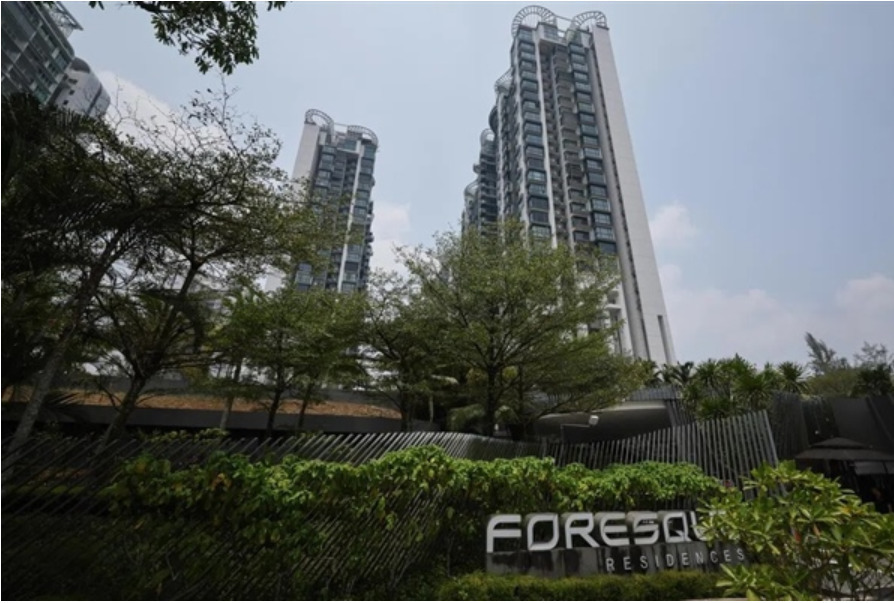
Summary: A recent dispute involving alleged construction defects at Foresque Residences highlights the challenges that can arise when building defects are discovered years after completion. Following an incident involving falling concrete, investigations reportedly identified alleged defects affecting balconies in one block. The MCST has since brought a claim against several parties involved in the development, with the defendants disputing liability. The case highlights why establishing the cause of a defect, contractual responsibility, evidence and rectification costs can all become important in construction dispute resolution.
When Construction Defects Become Disputes
A building defect may initially appear to be a technical issue requiring inspection and defect rectification. However, the situation can become more complicated when parties disagree over what caused the defect, who was responsible and who should bear the cost of putting it right.
According to The Straits Times, a piece of cementitious material detached from the underside of a third-floor balcony at Block 105 on 15 February 2025 and fell approximately 20m to a first-floor unit below. The Building and Construction Authority (BCA) was alerted and subsequently issued a Notice to Maintain requiring immediate safety measures and permanent rectification works.
The MCST later appointed a professional engineer to investigate the incident and assess whether similar risks existed elsewhere in the development.
What Were the Alleged Defects?
According to court documents reported by The Straits Times, the professional engineer found that part of a balcony slab had allegedly not been constructed as intended. A 70mm section of concrete was reportedly missing and had subsequently been filled with cement mortar.
Further inspections reportedly found hollow sections along balcony slab edges. Hammer-tapping tests allegedly identified hollow sounds at about 60% of the balcony slab edges in Block 105, with 88 balconies identified as affected.
However, identifying an alleged defect does not automatically establish its cause or determine who is legally responsible.
Construction Defect: is generally a problem associated with the design, materials, workmanship or construction of a building that causes the completed works to fail to meet applicable requirements, specifications or contractual obligations.
Determining whether a particular condition amounts to a defect may require technical investigation, particularly where the underlying problem is concealed.
Who Is Responsible?
The MCST has sued several parties, including the developer, architect, structural engineer, professional engineer responsible for balcony railing design and subcontractor.
The defendants have denied liability and raised different arguments concerning their respective roles and responsibilities. These include whether the alleged problem was related to design, workmanship, supervision, maintenance or another party’s work.
This then demonstrates why defect disputes can become complicated where several parties were involved in a project. A construction project typically involves multiple contracts and scopes of work. Establishing responsibility may therefore require a review of the original drawings, specifications, contracts, inspection records, site instructions, approvals and other project documentation.
The question is not simply whether a defect exists. Parties may also need to establish what caused the defect and which party was responsible for the relevant work.
The Importance of Evidence
The age of the development also raises practical issues for construction claims. Foresque Residences received its Temporary Occupation Permit in 2014. One of the defendants reportedly stated that more than 14 years had passed since its subcontract was awarded and that it no longer had most of its project records.
This highlights the importance of maintaining appropriate project documentation. Where a defect emerges years after completion, records may help establish how an element was designed, constructed, inspected and approved.
Relevant evidence may include:
- Contract documents and scopes of work
- Drawings and specifications
- Inspection and testing records
- Site photographs
- Correspondence and instructions
- Expert reports
- Records of previous repairs or maintenance
Without sufficient records, establishing the history and cause of an alleged defect can become more difficult.
Defect Rectification and Liability
Another important distinction is between defect rectification and determining liability.
Where a defect presents a potential safety concern, immediate remedial action may be necessary. However, carrying out rectification does not necessarily determine which party is ultimately responsible for the defect or its associated costs. The parties may still need to resolve questions concerning contractual obligations, causation, workmanship, design responsibility and the appropriate cost of remedial works.
The case also highlights the importance of considering applicable limitation periods. One defendant reportedly argued that the MCST’s claim was time-barred. Whether a claim is legally time-barred depends on the nature of the claim and applicable law, rather than simply the age of the building.
What Construction Teams Can Learn
The Foresque Residences dispute remains before the courts, and the defendants have disputed the allegations. It is therefore important not to treat the reported allegations as established findings.
However,, the case has given a few practical considerations for managing construction defects:
| Issue | Why it matters |
| Clear contractual scope | Helps establish responsibility for particular works |
| Good project records | Provides evidence when defects emerge later |
| Proper inspections | Can help identify issues before they escalate |
| Expert assessment | May assist in determining the cause and extent of defects |
| Clear rectification records | Helps establish the nature and cost of remedial works |
For construction professionals, effective construction dispute resolution is not only about resolving a disagreement after it arises. Good documentation, clear contractual responsibilities and early investigation can help reduce uncertainty when defects lead to claims.
The Foresque Residences case is a reminder that when a defect emerges, fixing the physical problem is only part of the process. Establishing the cause, responsibility and cost can be equally important when a construction defect develops into a dispute.
Frequently Asked Questions
What is a construction defect?
Answer: A construction defect is a problem associated with the design, materials, workmanship or construction of a building that may cause the completed works to fall short of the required standards or contractual requirements.
What is a latent defect?
Answer: A latent defect is a defect that is not readily apparent when the works are completed or inspected and may only become apparent later.
Why can construction defect disputes be complicated?
Answer: Multiple parties may have different contractual roles, including the developer, architect, engineers, main contractor and subcontractors. Establishing which party was responsible for a particular defect may therefore require technical evidence and review of project records.
Does finding a defect automatically establish liability?
Answer: No. Identifying a defect does not by itself establish who caused it or who is legally responsible. The cause, contractual responsibilities and applicable law must be considered.
Why are project records important in defect disputes?
Answer: Records such as drawings, specifications, inspection reports, photographs, correspondence and approvals can help establish how the works were designed, constructed and inspected.
References
- Singapore Law Watch – MCST sues developer, four others over alleged defects after concrete piece from condo balcony fell 20m http://www.singaporelawwatch.sg/Headlines/MCST-sues-developer-four-others-over-alleged-defects-after-concrete-piece-from-condo-balcony-fell-20m
- The Straits Times https://www.straitstimes.com/
- Singapore Statutes Online – Limitation Act 1959 https://sso.agc.gov.sg/Act/LA1959
- Building and Construction Authority – Quality Housing Portal https://www.bca.gov.sg/quality-housing-portal/