dk@dkoutsource.com

Summary: Construction estimating software improves accuracy and efficiency by streamlining quantity take-offs, cost calculations, labour analysis, supplier comparisons, revision control, and reporting. For construction teams in Singapore and beyond, the right platform can reduce errors, improve cost visibility, strengthen collaboration, and help protect project profitability.
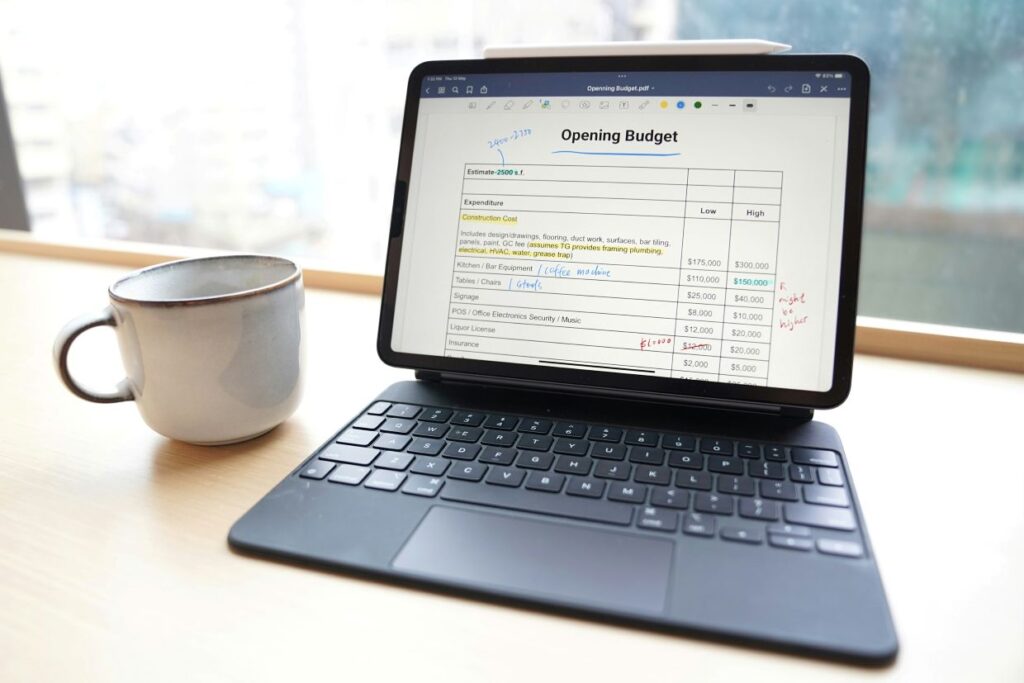
In the modern construction sector, accurate estimating is absolutely essential to maintaining profitability and safeguarding competitiveness. From material quantities and labour requirements to subcontractor costs, plant, overheads, and contingencies, every single element of a tender must be assessed with meticulous care. Because construction projects are inherently complex and financially high-stakes, even minor errors in an estimate can severely impact the final project budget and leave contractors heavily exposed to unexpected, margin-eroding costs.
To navigate these challenges, construction estimating software is helping contractors, quantity surveyors, and project teams transition away from manual spreadsheets and disconnected calculations. By integrating quantity takeoff, pricing, cost calculations, and reporting into a single, highly structured workflow, modern digital solutions accelerate the estimating process while drastically reducing the risk of human error.
Accelerating Quantity Take-off through Digital Workflows
Construction estimating is the process of forecasting the quantities, costs, labour, materials, equipment, subcontractor work, overheads, and other resources required to complete a construction project. -RICS
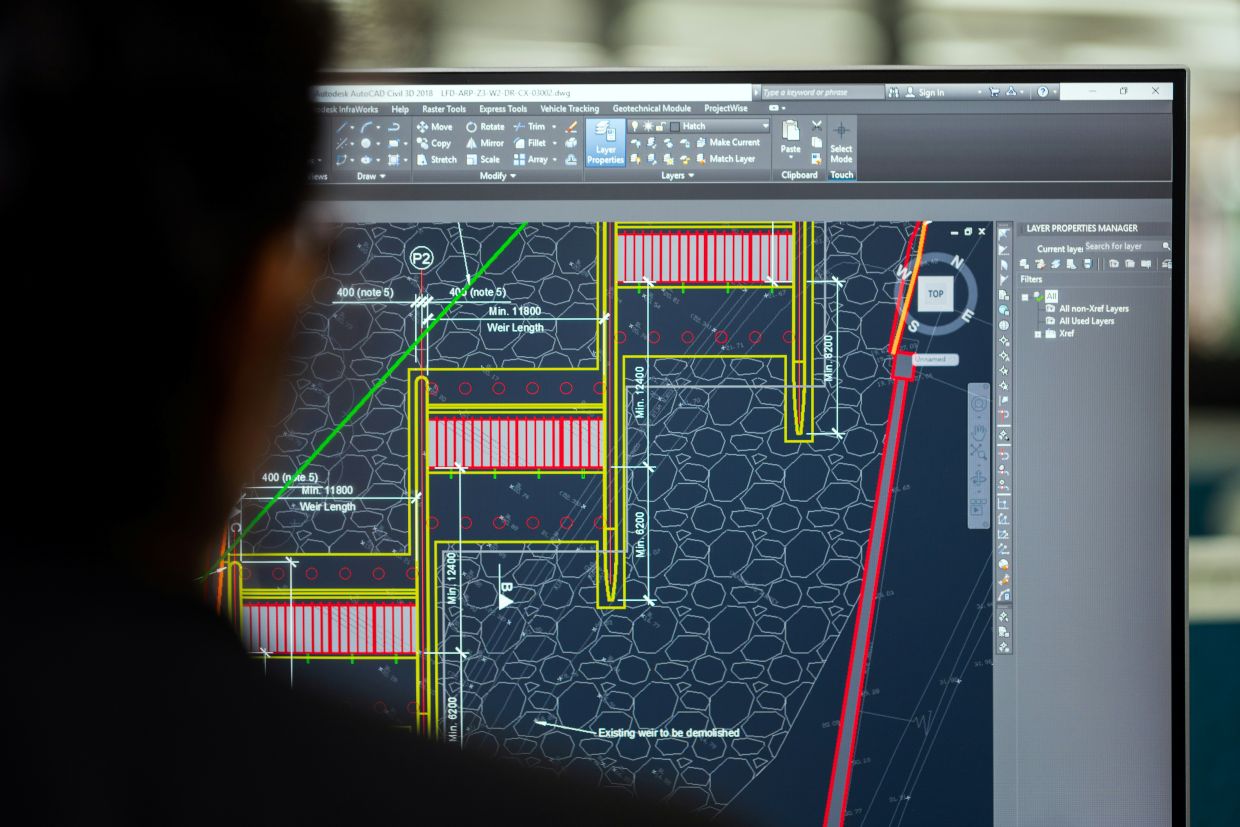
Quantity take-off has historically been one of the most labour-intensive and time-consuming stages of preparing a construction estimate. Manually measuring physical drawings and transferring those quantities into spreadsheets introduces significant opportunities for calculation and data-entry errors.
Digital take-off capabilities address this vulnerability by allowing estimators to measure lengths, areas, counts, and volumes directly from digital drawings. These digital measurements can be linked directly to cost items, making it much easier to transform raw project information into a detailed, structured construction cost estimate. Crucially, faster take-off does not simply save time; it reshapes the estimator’s role by allowing them to spend more time reviewing core design assumptions, checking physical quantities, and proactively identifying potential pricing risks.
Driving Consistency and Standards in Cost Calculations
A comprehensive construction estimate involves a massive volume of calculations covering materials, labour, equipment, subcontractors, overheads, markups, and contingencies. Managing these complex calculations manually makes it exceptionally difficult to maintain mathematical consistency across a large, multi-layered tender.
Estimating software standardises these calculations by enabling teams to utilise established cost structures, assemblies, and cost codes. This structured approach creates a highly consistent estimating process across the entire organisation and eliminates the need for estimators to repeatedly build calculations from scratch for every new project.
Meticulous Labour and Productivity Analysis
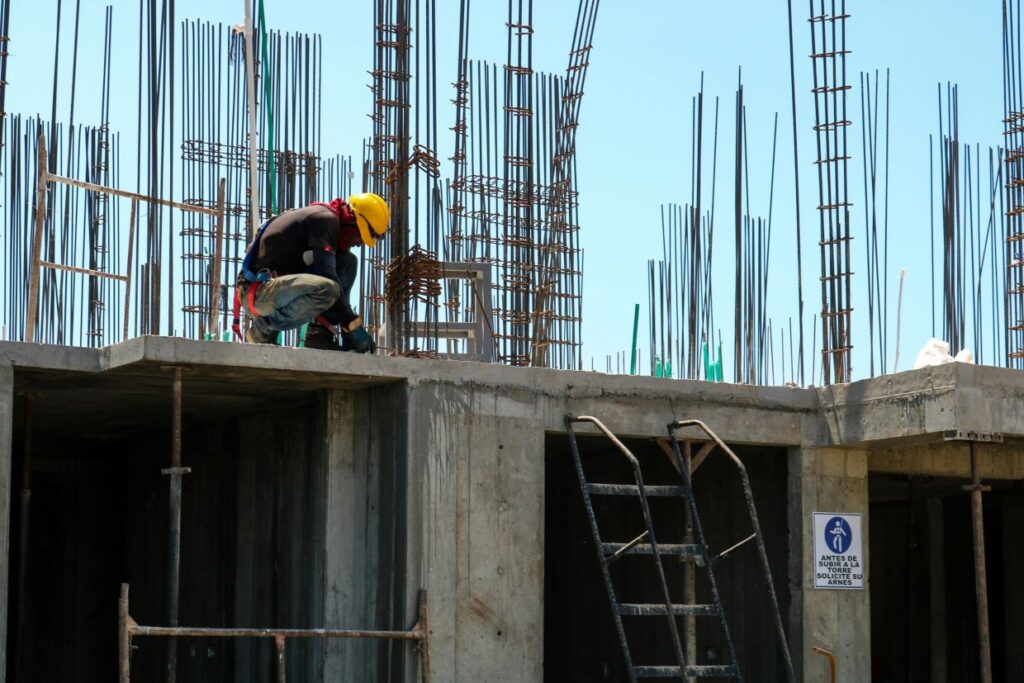
Labour represents one of the most volatile and significant cost components in any construction project. Simply applying a flat hourly labour rate fails to provide an accurate or reliable picture of what an activity will actually cost to execute in the field.
Modern estimating platforms resolve this by incorporating detailed labour rates, crew sizes, working hours, and realistic productivity assumptions. For example, an estimator can dynamically calculate expected labour hours based on the actual quantity of work and an anticipated production rate. This level of detail provides project teams with greater visibility into labour costs and helps them identify whether their operational assumptions are realistic before submitting a formal tender.

Picture by Valerie V on Unsplash
Streamlining Subcontractor and Supplier Price Comparisons
Construction tenders are highly dependent on securing competitive quotations from specialist subcontractors and suppliers. Comparing these quotations manually is a major administrative challenge, particularly when a project involves numerous trades, packages, and conflicting scopes of work.
Estimating software allows estimators to easily organise incoming quotations against specific scopes of work, making it straightforward to compare different prices before incorporating them into the final estimate. This systematic comparison makes tender pricing significantly more transparent and reduces the risk of overlooking critical quotation information or exclusions.
Agile Revision Control and Variation Management
Construction information is rarely static; it continues to evolve throughout the tender and pre-construction stages. Updated drawings, revised specifications, and sudden client instructions can all have a compounding impact on quantities and costs.
Estimating software with robust revision management allows project teams to instantly update estimates when project information changes, while maintaining a clear, auditable record of previous versions. This capability is exceptionally valuable when managing variation orders, revised quantities, and ongoing changes in scope. Keeping estimates continuously aligned with the latest project information prevents the severe commercial risk of pricing work based on outdated drawings or obsolete assumptions.
Strategic Cost Reporting and Collaborative Synergy
An estimate contains a massive volume of financial data, but that data is only valuable if project teams can analyse and interpret it rapidly.
- Clearer Cost Reporting: Advanced reporting tools provide immediate visibility into material costs, labour, subcontractor costs, overheads, markups, and profit margins. Custom reports help management identify exactly where costs are concentrated and compare estimated figures against actual project performance. This supports ongoing construction cost control and provides highly reliable historical data for future tenders.
- Greater Collaboration: Estimating is rarely a solitary task; it requires input from contractors, quantity surveyors, project managers, and procurement teams. Cloud-based estimating platforms allow authorised users to securely access current estimates and project information from any location. This real-time accessibility is highly valuable for teams collaborating across offices, active project sites, and client meetings, eliminating duplicated information and ensuring everyone works from a single, consistent set of cost data.
Selecting the Right Estimating Platform
The ultimate value of construction estimating software is not measured by the sheer number of features it offers. Its true success lies in how effectively it helps construction professionals produce accurate estimates, review costs, manage changes, and make highly informed commercial decisions.
Whether a company is preparing a tender in Singapore, Southeast Asia, or another competitive international market, accurate estimating remains the single most critical factor in protecting profit margins and managing project risk. Implementing the right software reduces repetitive, administrative work, improves overall cost visibility, and equips estimating teams with absolute confidence in the figures behind their bids.
References
- RICS – Cost Prediction Professional Standard https://www.rics.org/profession-standards/rics-standards-and-guidance/sector-standards/construction-standards/rics-cost-prediction-professional-statement-global-1st-edition
- RICS – New Rules of Measurement (NRM) https://www.rics.org/profession-standards/rics-standards-and-guidance/sector-standards/construction-standards/nrm
- AACE International – Cost Estimate Classification Systems https://web.aacei.org/docs/default-source/toc/toc_56r-08.pdf
- Capterra – Construction Estimating Software https://www.capterra.com/construction-estimating-software/