dk@dkoutsource.com

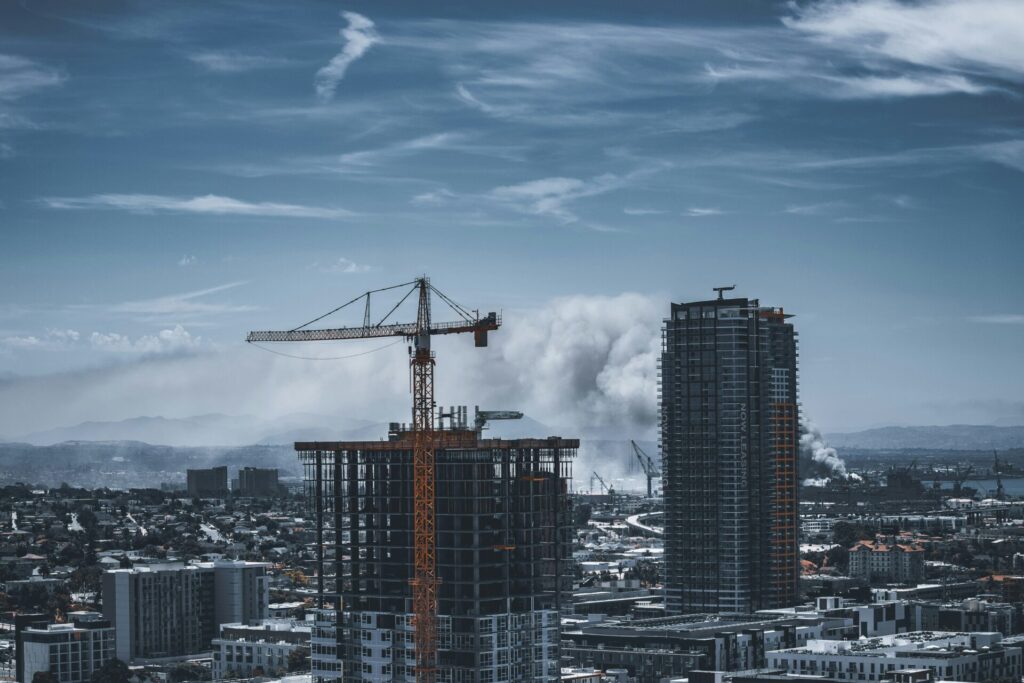
Singapore’s architectural landscape is transforming at a remarkable pace, from the soaring towers of Marina Bay to expansive HDB Build-To-Order developments. Traditionally, keeping these complex projects on track required project managers and quantity surveyors to conduct frequent physical site inspections.
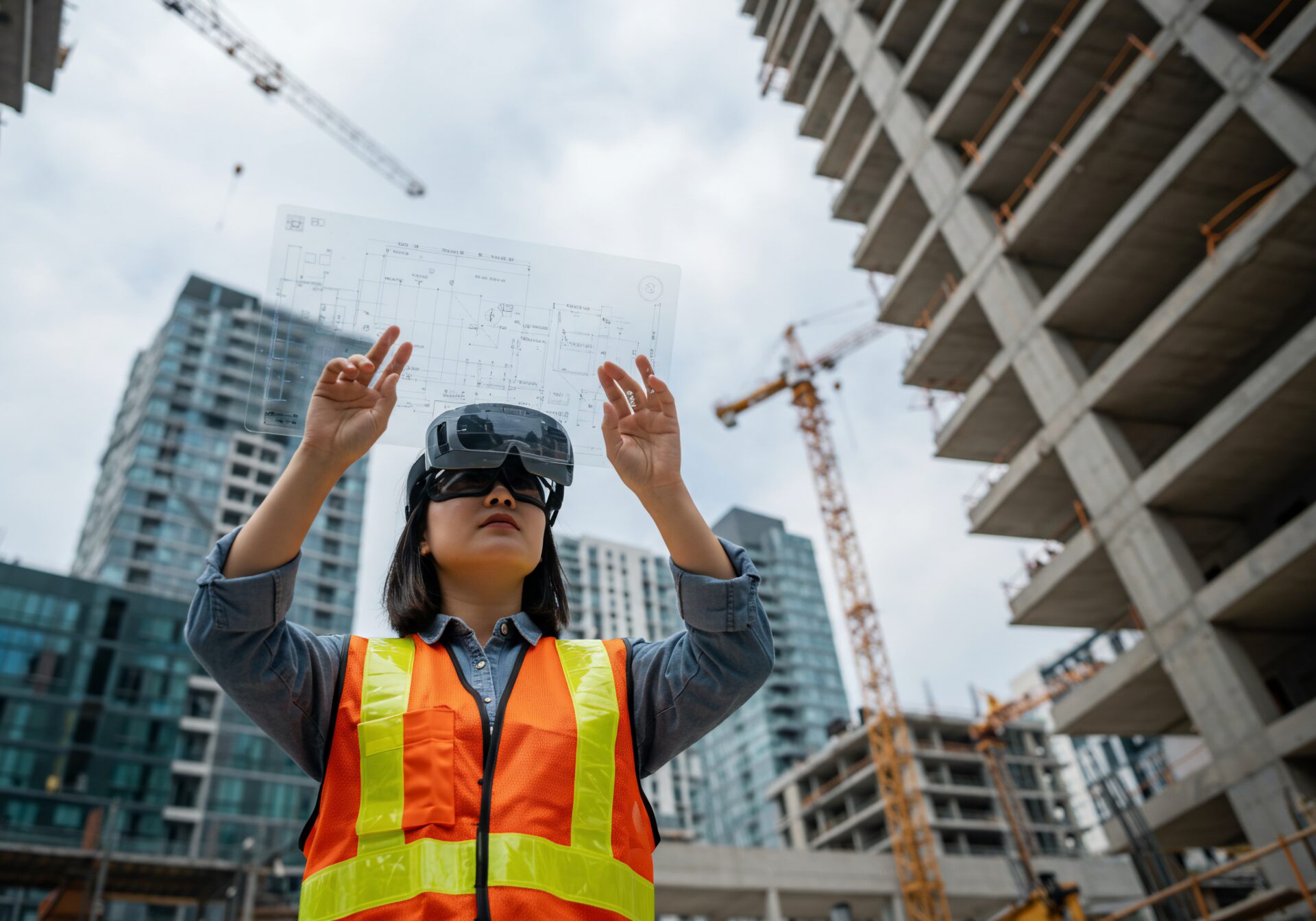
Today, however, the rapid acceleration of built environment digital twins, 360-degree cameras, and extended reality (XR) is shifting the industry toward virtual site walks. This allows professionals to tour an under-construction facility directly from their office, raising a critical question for developers and contractors: Can you genuinely trust a virtual site walk?
The Core Advantages: Greater Visibility, Fewer Delays
Adopting virtual site walks is not just a technological novelty; it delivers measurable efficiency gains across the entire project lifecycle.
- Immutable Visual Documentation: Unlike standard smartphone photos that capture isolated angles, 360-degree reality capture creates a comprehensive historical record of the site at a specific timestamp. By anchoring these panoramas to 2D architectural plans or 3D Building Information Models (BIM), stakeholders gain a clear chronological view of the build, significantly reducing disputes over “as-built” versus “as-planned” progress.
- Reduced Logistical Friction: Traveling between active project sites can consume hours of productive time each week. Virtual walks compress this geography, allowing an off-site executive to audit multiple zones in a single morning while bypassing site inductions, work permits, and safety gear staging.
- Enhanced Cross-Border Collaboration: For international developers and consulting engineers, virtual site walks provide an immersive, shared environment. Distributed global teams can simultaneously review discrepancies and align on engineering changes without ever booking a flight.
The Hidden Blind Spots: Where Virtual Reality Falls Short
Despite its immense benefits, relying exclusively on a digital representation introduces significant exposure. Without physical quality checks, firms risk overlooking critical errors that can lead to expensive delays or compliance failures.
- The Lack of Sensory Validation: A camera lens can confirm that a partition wall exists, but it cannot test the physical stability of a drywall frame. It also cannot detect the subtle vibrations of a misaligned HVAC unit, the odor of a chemical leak, or microscopic surface cracks indicating structural stress.
- The “Hidden Elements” Trap: Virtual technology fundamentally struggles with unexposed service elements. Once acoustic panels are installed or waterproofing membranes are buried beneath screed, a 360-degree camera can only validate the surface. If underlying mechanical components or rebar placements are flawed, the digital model remains ignorant until a physical failure occurs.
- Data Latency and Capture Errors: A virtual walkthrough is only as reliable as its most recent capture session. If a critical error occurs shortly after a scan, or if the operator skips a tight mechanical room, the resulting digital model is fundamentally compromised and the off-site team remains completely blind to the issue.
Picture on Unsplash
Striking the Perfect Balance: The Hybrid Framework
Monitoring without inviting unnecessary risk, firms must abandon an “either/or” mentality. The most successful construction frameworks treat virtual tools as optimizers, not total replacements.
- Separate Routine Audits from High-Stakes Milestones: Utilise virtual site walks for weekly progress sign-offs and general subcontractor coordination. However, always reserve physical, on-site inspections for critical structural sign-offs, complex MEP (Mechanical, Electrical, Plumbing) testing, and pre-handover architectural punch lists.
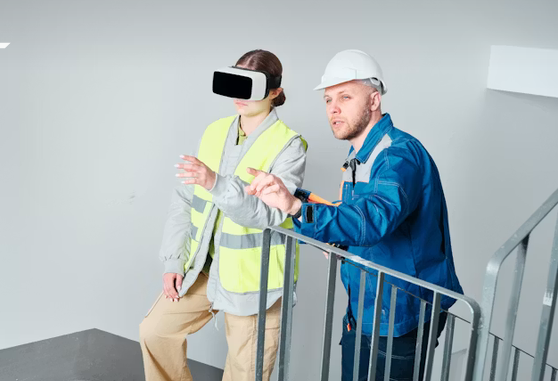
- Pair On-Site Capture with Off-Site Expertise: Equip junior site engineers with wearable reality technology while senior structural engineers oversee the feed from headquarters. This maximizes specialized human oversight while slashing unnecessary travel costs.
- Insist on BIM Integration: Ensure your virtual walkthroughs are actively mapped against a live BIM. This enables automated clash detection, ensuring that any deviations between the digital blueprint and the physical structure are flagged instantly.
The Virtual Site Walk Verdict
You can trust a virtual site walk, but only within the exact boundaries of its technical parameters. When utilized as a continuous documentation engine and a collaborative tool to reduce routine travel, virtual site walks are incredibly powerful. However, they must always coexist alongside physical, human-centric quality assurance frameworks. By building a hybrid workflow, developers can safely accelerate construction timelines, slash overhead costs, and ensure that their built infrastructure remains robust and safe.
References
- Building and Construction Authority (BCA) Singapore (Integrated Digital Delivery Framework) https://www1.bca.gov.sg/growth-and-transformation/productivity/idd-integrated-digital-delivery/
- Building and Construction Authority (BCA) Singapore (Ops-tech Enabled Inspections) https://www1.bca.gov.sg/growth-and-transformation/productivity/
- Autodesk Construction Cloud Blog (Extended Reality in Construction) https://www.autodesk.com/blogs/construction/extended-reality-construction-ar-vr-mr/
- Columbia University GSAPP Research (Augmented Reality in Architectural Construction, Inspection, and Renovation) https://www.columbia.edu/cu/gsapp/BT/RESEARCH/PAPERS/ar-asce.html