dk@dkoutsource.com


Summary: Alternative Dispute Resolution (ADR) processes provide construction professionals with practical ways to resolve disputes involving payment claims, variations, delays, defects and contractual disagreements without immediately going to court. This guide explains the main ADR methods, including negotiation, mediation, adjudication, arbitration and expert determination, and how to choose the right approach for a construction dispute.
Construction projects involve numerous parties, contractual obligations, deadlines and financial commitments. With so many moving parts, disagreements can arise over payment claims, variations, delays, defects, extensions of time, final accounts and contract interpretation. When these issues cannot be resolved through normal project discussions, Alternative Dispute Resolution (ADR) processes can provide practical ways to resolve construction disputes without immediately resorting to litigation.
ADR refers to methods of resolving disputes outside traditional court proceedings. Common approaches include negotiation, mediation, adjudication, arbitration and expert determination. The appropriate process depends on the construction contract, nature of the dispute, urgency, complexity and whether the parties require a binding decision. RICS identifies adjudication, mediation, arbitration and expert determination among the key ADR methods used in the built environment.
Why ADR Matters in Construction
Construction disputes can have a direct impact on project costs, cash flow, construction programmes and working relationships. A disagreement between an employer and contractor over a variation, for example, can affect valuation and payment. Similarly, a dispute over delay may influence an extension of time, liquidated damages or prolongation costs.
ADR provides parties with different options for addressing these disagreements. Some methods focus on reaching a mutually acceptable settlement, while others involve an independent third party making a decision.
For quantity surveyors, project managers, contract administrators and construction consultants, knowledge of ADR is particularly valuable because many disputes involve technical matters such as quantum, valuation, variations, payment, delay claims and contractual obligations.
Understanding the Main ADR Processes
The main ADR processes differ in their level of formality, involvement of third parties and ability to produce a binding outcome.
| ADR Process | How It Works | Common Construction Applications |
| Negotiation | Parties communicate directly to reach an agreement | Payment, variations and contractual disagreements |
| Mediation | A neutral mediator facilitates discussions and settlement | Commercial, contractual and relationship disputes |
| Adjudication | An independent adjudicator determines the dispute | Payment claims and construction disputes |
| Arbitration | An arbitrator or tribunal considers evidence and issues an award | Complex contractual and construction disputes |
| Expert Determination | A technical expert determines a specialist issue | Valuation, measurement and technical disputes |
Negotiation
Negotiation is often the first step in construction dispute resolution. The parties communicate directly to identify the issues and attempt to reach an agreement.
Because there is no third party imposing a decision, negotiation gives the parties considerable control over the outcome. It can also be less formal and less costly than other forms of dispute resolution.
Early negotiation is particularly useful when the parties want to preserve their commercial relationship and continue working together.
Mediation
Mediation involves an independent and neutral mediator who facilitates discussions between the parties. The mediator does not normally decide who is right or wrong. Instead, the mediator helps the parties clarify their positions, identify areas of agreement and explore possible solutions. Mediation can be useful for disputes involving payment, variations, delays, contractual interpretation and commercial relationships.
It also gives parties greater flexibility to develop a settlement that may address commercial concerns beyond the original claim. In Singapore, the Singapore Mediation Centre provides mediation and other ADR services, with construction disputes forming a significant part of its caseload.
Adjudication
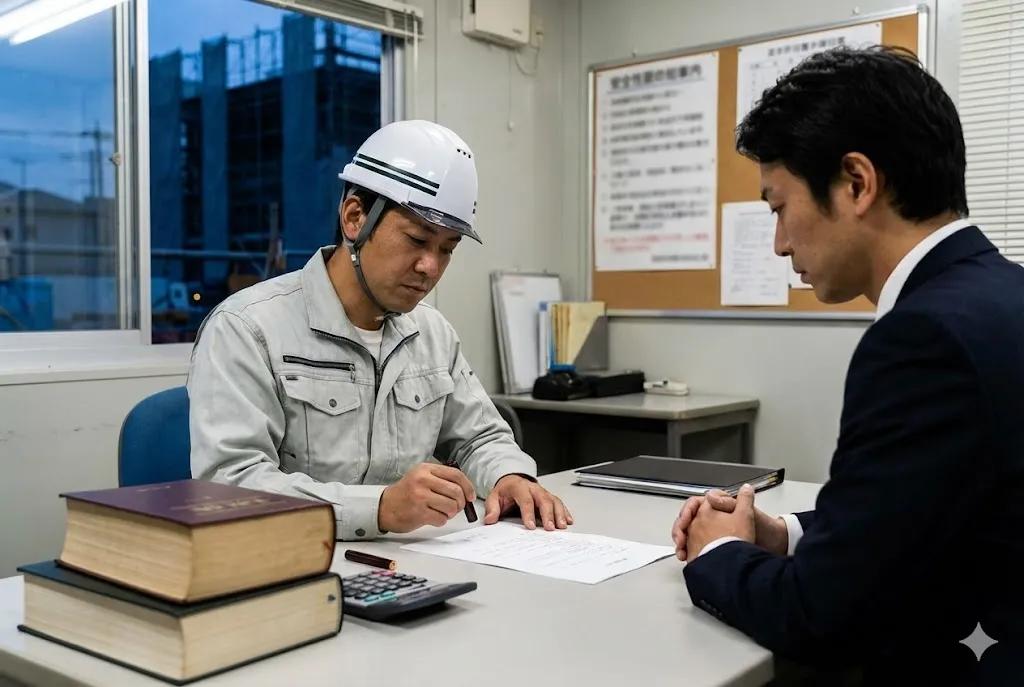
Adjudication involves an independent adjudicator who considers the dispute and makes a determination. It is particularly relevant to the construction industry because certain adjudication systems are designed to provide a relatively quick decision while a project is ongoing.
In Singapore, the Building and Construction Industry Security of Payment Act provides a statutory framework for eligible payment disputes. The legislation covers areas including payment claims, payment responses and adjudication applications, while BCA states that an independent adjudicator determines the amount payable for a claim under the Act.
This makes understanding payment procedures, contractual timelines and construction claims especially important for contractors, subcontractors and consultants.

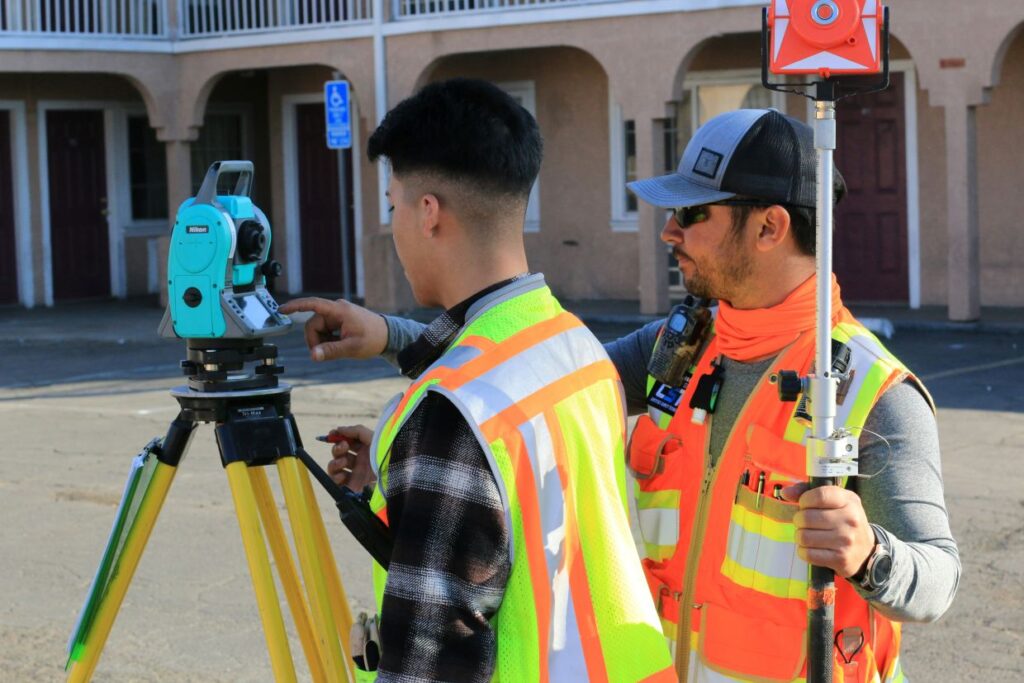
Picture by ekaterina-bolovtsova
Arbitration
Arbitration is a more formal ADR process in which an independent arbitrator or tribunal considers the evidence and arguments before issuing an award. It can be suitable for complex construction contracts, engineering disputes, contractual claims and technically detailed matters. Arbitration is generally private, and parties may be able to select decision-makers with relevant industry expertise.
However, arbitration can still become lengthy and costly when disputes are highly complex. The decision should therefore be based on the circumstances of the dispute rather than assuming arbitration is automatically preferable to other ADR options.
Expert Determination
Expert determination is particularly useful where a dispute centres on a technical or specialist issue. An independent expert examines the matter and reaches a determination based on their professional knowledge and experience. It may be appropriate for disputes involving valuation, measurement, defects or other technical matters. Depending on the contract, the determination may be binding or non-binding.
Choosing the Right ADR Process
There is no single ADR process suitable for every construction dispute. Before deciding on an approach, parties should consider:
- The nature of the dispute: Is it related to payment, delay, variations, defects or contract interpretation?
- The urgency: Does the project require a quick determination?
- The complexity: Does the dispute involve significant technical or contractual issues?
- The desired outcome: Do the parties want to negotiate a settlement or obtain a formal decision?
- The construction contract: What does the dispute resolution clause require?
RICS notes that the appropriate dispute resolution procedure should take account of the circumstances of the dispute, including cost, speed and the importance of maintaining business relationships.
From Dispute Resolution to Dispute Avoidance
ADR should not only be considered after a dispute has escalated. Effective construction contract administration and dispute avoidance can help identify potential problems earlier. Clear records, timely notices, accurate quantity surveying, well-documented variations, properly assessed payment claims and effective communication can all help reduce uncertainty.
Where disagreements do arise, early intervention may prevent a relatively small contractual issue from becoming a significant construction claim. This is particularly important on complex projects involving multiple contractors, consultants and subcontractors.
Frequently Asked Questions
What is Alternative Dispute Resolution (ADR)?
Answer: ADR refers to methods of resolving disputes without going through traditional court litigation. Common construction ADR processes include negotiation, mediation, adjudication, arbitration and expert determination.
Why is ADR important in construction?
Answer: ADR can help address disputes involving payment, variations, delays, defects, contractual obligations and final accounts, potentially reducing disruption to an ongoing project.
What are the main ADR processes?
Answer: The main processes are negotiation, mediation, adjudication, arbitration and expert determination.
Is mediation legally binding?
Answer: Mediation itself does not impose a decision on the parties. However, when parties reach a settlement, the resulting agreement may have legal effect depending on the applicable law and how the settlement is documented.
When should construction companies consider mediation?
Answer: Mediation can be useful when parties want to negotiate a settlement, maintain their commercial relationship and retain greater control over the outcome.
How should a company choose an ADR process?
Answer: Companies should consider the construction contract, dispute resolution clause, nature and value of the claim, urgency, technical complexity, evidence and whether a binding decision is required.
References
- Building and Construction Authority (BCA) — Security of Payment Act https://www1.bca.gov.sg/growth-and-transformation/procurement/procurement-and-legal-frameworks/security-of-payment-act/
- Singapore Statutes Online — Building and Construction Industry Security of Payment Act 2004 https://sso.agc.gov.sg/Act/BCISPA2004
- Singapore Mediation Centre (SMC)
Good for your discussion of mediation and construction dispute resolution in Singapore. https://mediation.com.sg/ - Singapore International Arbitration Centre (SIAC) https://siac.org.sg/
- UNCITRAL — International Commercial Mediation https://uncitral.un.org/en/texts/mediation
- UNCITRAL — Singapore Convention on Mediation https://uncitral.un.org/en/texts/mediation/conventions/international_settlement_agreements