dk@dkoutsource.com


The quantity surveying profession is being fundamentally reshaped by a global construction industry that is rapidly becoming increasingly digital, data-driven, and complex. For the modern consultant quantity surveyor (QS), this transformation is altering not only how physical construction costs are measured and managed on a day-to-day basis, but also how high-value professional advice is delivered to clients.
While technology is creating powerful new opportunities to provide faster, more responsive, and highly forward-looking commercial advice, traditional quantity surveying skills remain the indispensable foundation of the profession. Core competencies such as cost planning, physical measurement, estimating, strategic procurement, contract administration, and project cost control continue to form the baseline of effective commercial management.
From Routine Cost Reporting to Strategic Commercial Advice
The role of a professional consultant QS has evolved far beyond the administrative tasks of producing basic cost estimates and retrospectively monitoring expenditures. Today, developers, public bodies, and private clients rely on professional cost advice to guide critical financial decisions throughout a project’s entire lifecycle.
Consultant Quantity Surveyors are professionals who help keep building projects on time, on target and on budget, bringing together cost, contracts and strategy from concept to completion. -BCA
Digital tools have introduced unprecedented visibility over project information, enabling quantity surveyors to:
- Analyse costs and track design changes with greater speed and precision.
- Identify potential commercial bottlenecks and budget overruns earlier in the project timeline.
- Support robust, data-driven decision-making from the earliest feasibility and planning stages, through construction, and on to final completion.
As projects grow in scale and complexity, clients expect their consultant QS to act as a strategic advisor—helping them understand not only what a project costs, but also precisely why costs are changing and what those structural changes mean for the overall project outcome.
How Technology is Supporting Better Cost Management
Digitalisation is accelerating workflows across all areas of construction cost management. Advanced capabilities such as electronic measurement, digital drawings, cloud-based collaboration, and automated reporting are dramatically reducing repetitive, manual processes while improving real-time access to critical project information.
For the consultant QS, these digital advancements make cost data much easier to aggregate, analyse, and communicate. Instead of relying solely on manually compiled paper records or fragmented spreadsheets, professionals can now process much larger volumes of project data to identify hidden trends or pricing discrepancies with exceptional efficiency.
However, it is vital to remember that technology is a tool rather than a substitute for professional expertise. The ultimate quality, reliability, and accuracy of any cost recommendation still rely entirely on the experience, technical understanding, and professional judgement of the human expert interpreting the data.

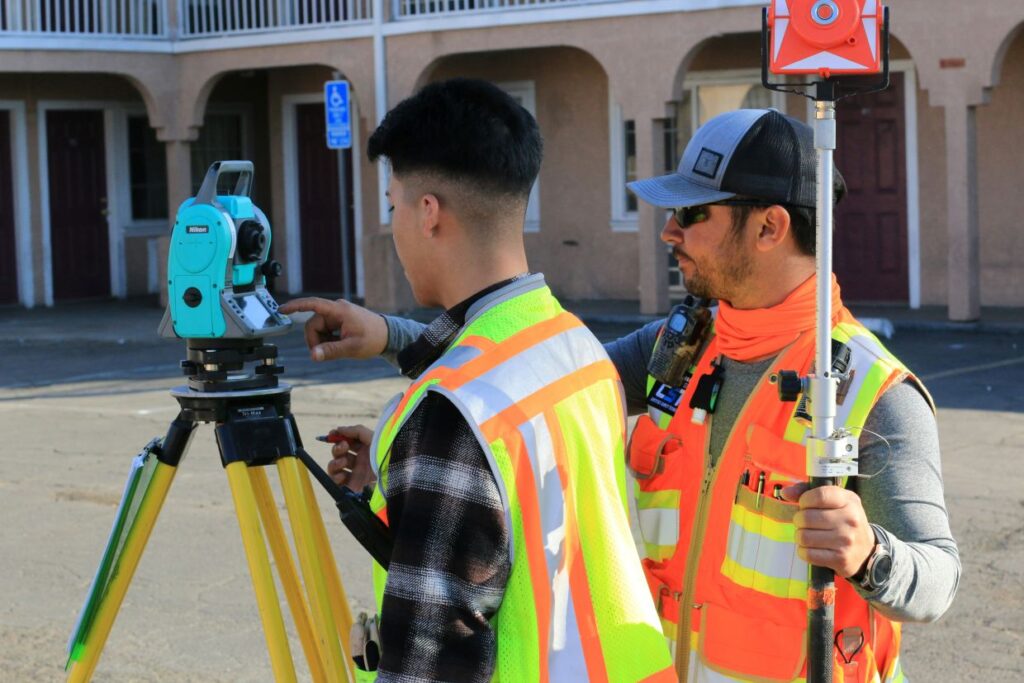
Picture by Jeriden Villegas on Unsplash
Essential Skills for the Future Consultant QS
To thrive in this digital era, the consultant quantity surveyor of tomorrow must possess a highly integrated, interdisciplinary skill set:
|
THE MODERN QS SKILL TRIANGLE |
||
|---|---|---|
|
Digital Literacy |
Core Competencies | Strategic Communication |
| • Data analytics
• BIM integration • Digital takeoff |
• Building methods
• Contracts & risk • Procurement path |
• Stakeholder alignment
• Explaining complex financials • Actionable recommendations |
- Digital Literacy & Analytics: High proficiency in digital take-off tools, data analytics, and the ability to interpret complex project data sets are becoming increasingly valuable.
- Core Technical Competencies: A deep understanding of construction methods, procurement strategies, contract forms, project risks, and commercial relationships remains absolutely non-negotiable.
- Strategic Communication: Quantity surveyors do not work in isolation; they coordinate closely with clients, architects, engineers, main contractors, and suppliers. The ability to translate complex financial data into clear, actionable commercial recommendations remains a defining characteristic of a successful consultant.
Ultimately, the digital future of quantity surveying isn’t about replacing traditional QS expertise with automated software, but rather combining technical knowledge, commercial judgement, and digital capability to deliver superior project outcomes.
Supporting Better Decisions Under Industry Pressures
The true value of quantity surveying services lies in giving clients reliable, independent financial information to support high-stakes decisions. While digital platforms drastically improve the speed and visibility of project data, only professional advice can give that raw data meaning.
An experienced consultant QS is uniquely qualified to:
- Assess whether a contractor’s cost increase or variation claim is fair and reasonable.
- Evaluate the immediate and long-term financial implications of a design modification.
- Identify emerging commercial risks and advise on appropriate, contract-compliant mitigation responses.
This independent oversight is especially critical today, as projects navigate intense market pressures from volatile material costs, limited labour availability, sudden programme adjustments, and continuously evolving regulatory requirements. By integrating modern technology with professional expertise, quantity surveyors help clients maintain clear cost visibility and make highly informed decisions at every stage of the build.
Looking Ahead: Evolution, Not Replacement
The digital future of quantity surveying is not simply about adopting the latest software; it is about using technology intelligently to strengthen the independent, professional advice that clients depend upon.
As the built environment becomes more connected and data-driven, consultant quantity surveyors will have unmatched opportunities to:
- Improve the precision of early-stage cost forecasting.
- Identify budget and schedule risks much earlier in the design phase.
- Provide highly responsive, real-time commercial and contractual advice.
At the same time, the timeless fundamentals of exceptional quantity surveying—accuracy, independence, analytical thinking, and sound professional judgement—will remain just as vital as they have always been. For the consultant QS, this is a journey of evolution rather than replacement. Digital tools will continue to change how cost information is compiled and analysed, but the human ability to interpret that information and provide wise, strategic counsel remains the true heart of effective quantity surveying.
References
- BCA – Artificial Intelligence for the Built Environment https://www1.bca.gov.sg/growth-and-transformation/productivity/ai/
- BCA – Integrated Digital Future of Quantity Surveying https://www1.bca.gov.sg/growth-and-transformation/productivity/idd-integrated-digital-delivery/
- SISV – Quantity Surveying Division / APQS https://sisv.org.sg/doc/qs/What_is_the_APQS_all_about.pdf
- CIOB – Digital Technology and Innovation https://www.ciob.org/industry/policy-research/policy-positions/digital-technology-innovation
- RICS – Data, Analytics and Intelligence pathway https://www.rics.org/news-insights/rics-calls-for-expressions-of-interest-in-new-data-analytics-and-intelligence-pathway
- RICS – AI adoption trends in construction https://www.rics.org/news-insights/wbef/to-ai-or-not-to-ai-five-trends-in-the-adoption-of-ai-in-construction