dk@dkoutsource.com



Summary: Construction payment disputes can strain cash flow, delay project progress and damage working relationships. Without prejudice negotiations offer contractors, subcontractors and employers an opportunity to resolve claims before adjudication. By combining accurate cost assessments, supporting documentation and constructive communication, parties can work towards practical settlements while protecting their contractual positions.
Why Settle Construction Claims Before Adjudication?
Construction disputes often arise from unpaid progress claims, variation valuations, extension of time (EOT) claims, loss and expense and disagreements over final accounts. When parties cannot agree, adjudication may offer a faster route to resolving payment disputes.
In Singapore, the Building and Construction Industry Security of Payment Act (SOPA) provides eligible parties with statutory payment rights and access to adjudication. The Building and Construction Authority (BCA) describes it as providing a “fast and low-cost adjudication mechanism” for payment disputes.
However, adjudication still requires preparation, time and resources. Settlement may help parties preserve cash flow, reduce professional costs and maintain working relationships. The objective is not simply to avoid adjudication: it is to reach a fair, commercially workable outcome supported by evidence.
What Does Without Prejudice Negotiations Mean in Construction Disputes?
Without prejudice negotiations: are settlement discussions that may receive legal protection against being used as evidence of admissions in subsequent proceedings, subject to applicable law and circumstances. -Singapore Law Gazette
The Singapore Courts explain that discussions during mediation are without prejudice, meaning statements made during mediation generally cannot be used as evidence against a party if the matter proceeds to trial.
But, merely labelling correspondence “Without Prejudice” does not automatically make it privileged. Whether protection applies depends on the substance and context of the communication.
Parties should distinguish between:
- Without prejudice: Genuine settlement communications seeking to resolve an existing dispute.
- Without prejudice save as to costs: Settlement communications that may potentially be considered in relation to costs, subject to applicable rules.
- Open correspondence: Communications intended to form part of the ordinary contractual or evidential record.
How to Settle Construction Claims: A Practical Approach
A structured negotiation process can help parties focus on resolving the issues rather than escalating disagreements.
-
Establish the facts
Clear documentation helps both parties understand where the disagreement originates. Before negotiations begin, identify the contractual basis of the claim and assemble relevant documents, including:
- Contract conditions, payment provisions and instructions.
- Progress records, measurements and valuation breakdowns.
- Variation quotations, approvals and supporting invoices.
- Site correspondence, programme updates and delay records.
- Previous payment claims, certificates and responses.
-
Quantify the disputed amount
A quantity surveyor (QS) can independently review claimed quantities, rates, variations, provisional sums and previous certifications.
For example, a subcontractor may claim $180,000 for additional works, while the main contractor assesses $125,000. Rather than arguing over the total, the parties can review individual work items, agreed quantities, applicable rates and supporting instructions.
A reconciliation schedule can separate agreed amounts from disputed items, making negotiations more productive.
-
Identify settlement options
Any settlement should clearly address payment obligations, deadlines, releases and the treatment of remaining claims. Not every dispute needs a single all-or-nothing solution.
Potential settlement approaches include:
- Immediate payment of agreed sums.
- Staged payments with clear dates and conditions.
- Joint measurement or independent valuation of disputed works.
- Commercial compromise on selected items.
- Mediation with an independent neutral.
-
Record the agreement properly
Once terms are reached, document them clearly. Specify the settlement amount, payment dates, tax treatment where relevant, covered claims, outstanding obligations and consequences of default. Obtain appropriate legal review, particularly where the agreement involves a release of claims, confidentiality provisions or ongoing contractual responsibilities.
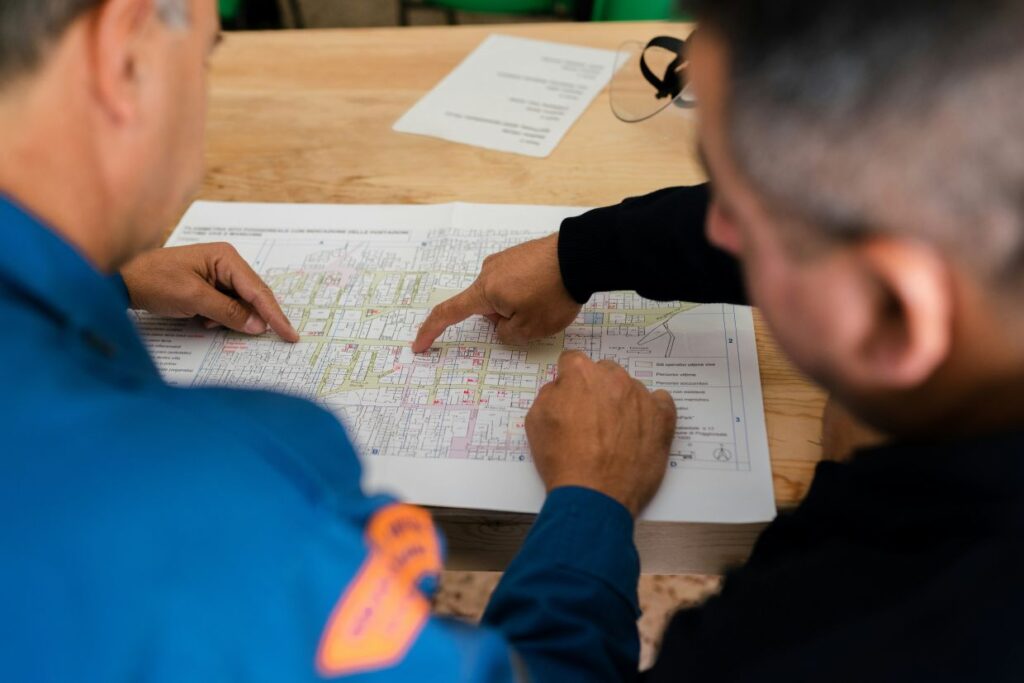
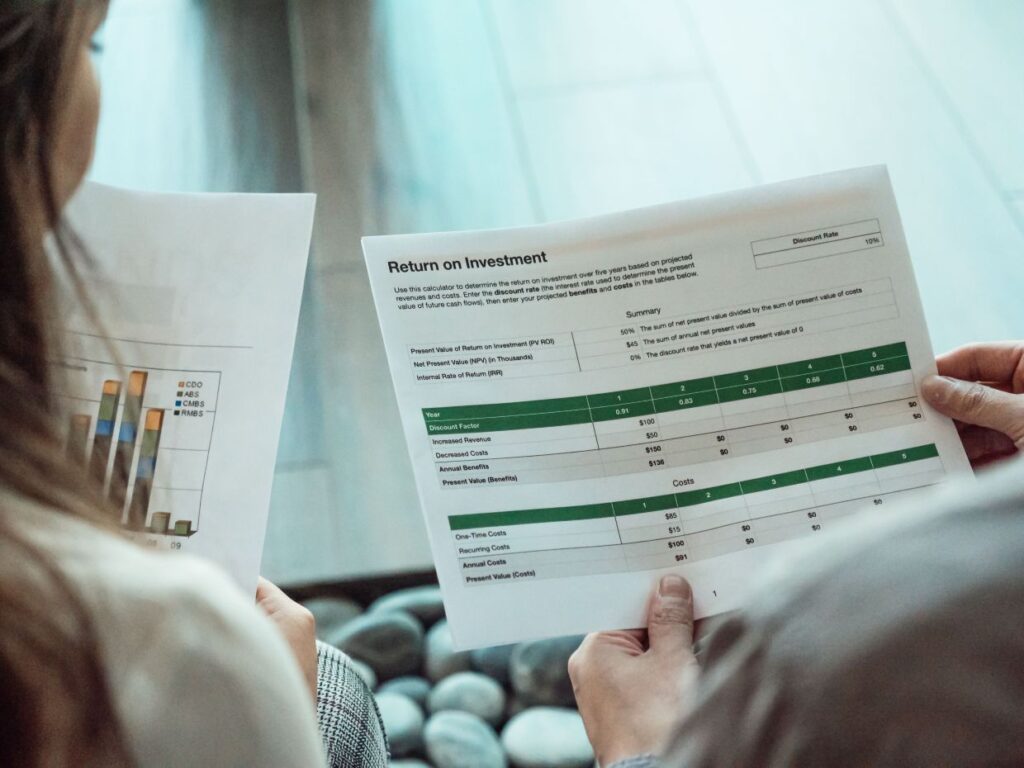
Picture by thisengineering on Unsplash
Where Quantity Surveyors Add Value
Quantity surveying supports settlement by translating technical disagreements into measurable commercial issues. -BCA
| Dispute area | QS contribution |
| Variations | Review scope, quantities and rates |
| Progress payments | Reconcile completed work and certifications |
| Final accounts | Identify agreed and outstanding items |
| Loss and expense | Review substantiation and contractual valuation |
| Settlement proposals | Prepare transparent financial comparisons |
A QS can also help establish realistic settlement ranges, identify valuation gaps and explain the financial implications of competing proposals. This then can give decision-makers a clearer basis for compromise without requiring either party to concede every disputed point.
Singapore Considerations: Negotiate Without Losing Sight of Deadlines
SOPA adjudication follows statutory procedures and strict time limits. Settlement discussions should therefore run alongside proper contract administration, not replace it.
Parties should:
- Check applicable payment claim and response deadlines.
- Serve required notices and responses correctly.
- Preserve relevant records and contractual rights.
- Verify the applicable dispute settlement period and adjudication requirements.
- Obtain legal advice before agreeing to extensions, waivers or procedural arrangements.
Other jurisdictions, including the UK and Australia, also have statutory construction payment regimes, but their requirements differ. Singapore project teams should not assume that overseas procedures apply locally.
Conclusion
Without prejudice negotiations can provide a constructive path towards resolving construction payment disputes before adjudication. The strongest settlements combine sound contractual understanding, reliable cost assessments and open-minded commercial discussions.
With support from experienced quantity surveyors and legal advisers where appropriate, parties can pursue practical resolutions, protect cash flow and keep projects moving. For construction cost assessment, payment reconciliation and Contract & Dispute Advisory support, professional guidance can help parties approach settlement with greater clarity and confidence.
Explore our Contract & Dispute Advisory Services and contact us.
Frequently Asked Questions
Are “without prejudice negotiations” legally binding?
Answer: Negotiations alone do not necessarily create a binding settlement. A concluded agreement may become binding depending on its terms, formation and applicable law.
Can without prejudice letters be used in adjudication?
Answer: Their admissibility depends on the governing law, applicable adjudication rules and circumstances. The label alone does not guarantee protection.
Should parties negotiate before SOPA adjudication?
Answer: Early negotiations can be useful, but parties must still comply with applicable statutory deadlines and procedural requirements.
Can a quantity surveyor help settle payment disputes?
Answer: Yes. A QS can review valuations, variations, measurements and payment records, helping parties identify agreed amounts and quantify outstanding differences.
Is mediation the same as without prejudice negotiation?
Answer: No. Direct negotiation involves discussions between parties, while mediation introduces a neutral third party to facilitate settlement. Mediation discussions may have their own confidentiality and without prejudice protections.
References
- Building and Construction Authority – Security of Payment Act https://www1.bca.gov.sg/growth-and-transformation/procurement/procurement-and-legal-frameworks/security-of-payment-act/
- Singapore Courts – What Is Mediation? https://www.judiciary.gov.sg/alternatives-to-trial/mediation
- Singapore Courts – Alternatives to Trial https://www.judiciary.gov.sg/alternatives-to-trial
- Chambers and Partners – Construction Law 2026: Singapore https://practiceguides.chambers.com/practice-guides/construction-law-2026/singapore
- Singapore Law Gazette – Challenging an Adjudication Determination https://v1.lawgazette.com.sg/2012-02/329.htm
- Mahtani, N., & Chen, M. (2003, October). ‘Without prejudice’: Principles and myths. Singapore Law Gazette. https://v1.lawgazette.com.sg/2003-10/Oct03-feature2.htm