dk@dkoutsource.com



Summary: NEC4 compensation events provide a structured way to manage changes, delays and unexpected circumstances in construction projects. Understanding how compensation events work, when to notify them and how to assess their impact on cost and time can help contractors, subcontractors and clients protect their contractual positions. This guide explains the process, common examples and practical considerations, with insights relevant to Singapore and international construction projects.
What Are NEC4 Compensation Events?
A compensation event is a contractually defined event that may entitle a contractor to an adjustment to the Prices, Completion Date or Key Dates under the NEC4 Engineering and Construction Contract (ECC).
According to NEC Contracts, compensation events are the mechanism through which changes to cost and time are assessed under the contract. They are not automatic entitlements to additional payment; the event must qualify under the applicable contractual provisions.
Under Clause 60.1, common examples include:
- The Project Manager issues an instruction changing the Scope.
- The Client fails to provide access or required resources as stipulated.
- Unexpected physical conditions meet the contractual criteria.
- The Project Manager or Supervisor fails to respond within the required period.
- Certain prevention events or other Client-risk events occur.
Not every delay, disruption or cost increase qualifies. The contract’s risk allocation, applicable options and amendments must be considered.
How Does the NEC4 Compensation Event Process Work?
Effective compensation event management requires timely communication, reliable records and proper contractual administration.
The process generally follows these steps:
- Identify and notify: Determine whether an event qualifies and notify it in accordance with Clause 61. The Project Manager may also notify compensation events where required.
- Review the notification: The Project Manager responds within the contractual period, generally one week unless an extension is agreed where permitted. Certain failures to respond can have contractual consequences.
- Prepare a quotation: Where instructed, the Contractor generally has three weeks to submit a compensation event quotation, unless a different period is agreed in accordance with the contract.
- Assess the impact: Evaluate the effect on the Prices, Completion Date and relevant Key Dates, using the contractual assessment rules.
- Implement the assessment: Once implemented, the agreed or assessed changes are incorporated into the contract.
Importantly, the standard ECC generally requires Contractor-notified events to be notified within eight weeks of becoming aware of the event, where the time bar applies. Exceptions exist, including certain events notified by the Project Manager. Always verify the applicable contract wording.

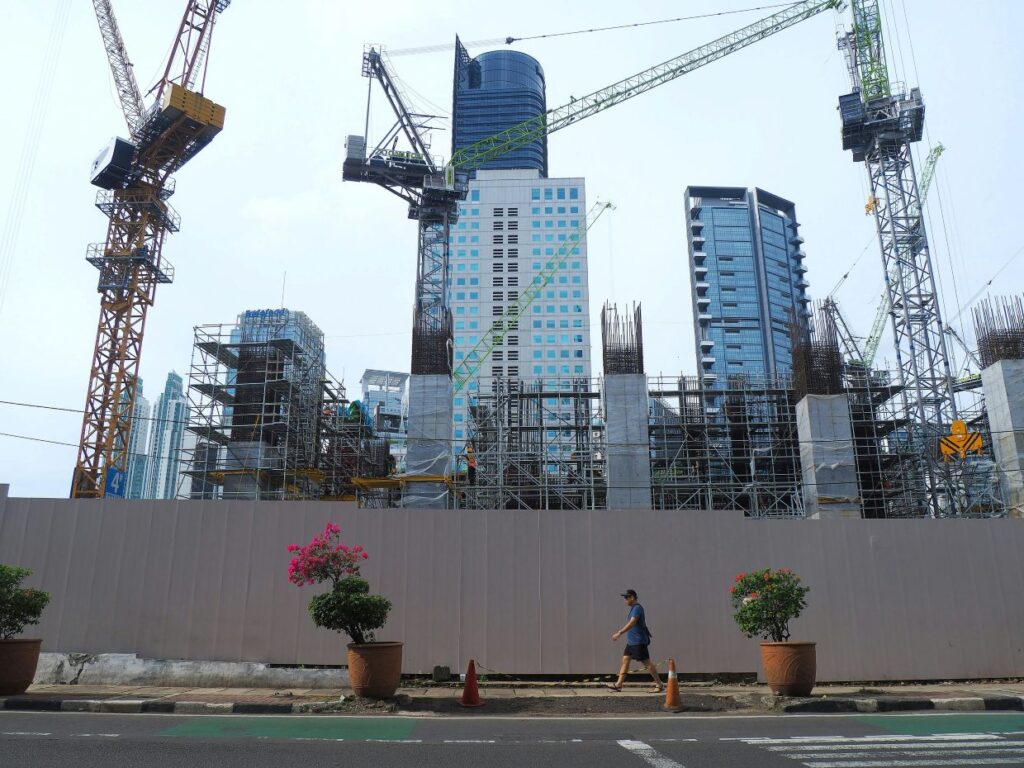
Picture by Kampus Production
Assessing Cost and Time: What Evidence Matters?
A credible compensation event assessment should explain not only what happened, but also how the event affects the project.
Useful supporting records include:
- Updated Accepted Programme and relevant programme revisions.
- Site diaries, progress photographs and daily reports.
- Labour, plant, material and subcontractor cost records.
- Instructions, meeting minutes and correspondence.
- A clear explanation of delay, mitigation and potential programme impacts.
An example of this is when a Singapore construction project receives an instruction to change its structural design. The contractor should assess the additional design coordination, materials, labour and any resulting effect on planned Completion.
Practical Challenges and Lessons for Singapore Projects
For projects in Singapore, NEC4 contracts can support collaborative project management, but their effectiveness depends on disciplined administration.
The Building and Construction Industry Security of Payment Act provides a separate statutory framework for eligible construction payment claims and adjudication. It should not be confused with the NEC4 compensation event mechanism.
For international projects, including those involving Singapore-based contractors and overseas clients, differences in governing law, contractual amendments and project procedures require particular attention.
Three practical priorities can make a difference:
- Maintain early warnings: Identify emerging risks before they develop into significant disputes.
- Keep contemporaneous records: Document events, decisions and their consequences as they occur.
- Coordinate commercial and project teams: Ensure quantity surveyors, planners, contract administrators and project managers work from consistent information.
Conclusion: Better Administration, Better Outcomes
NEC4 compensation events are more than a claims procedure. When managed properly, they provide a structured approach to change management, cost forecasting and programme control. For contractors and subcontractors, early notification and evidence-based assessments can help safeguard entitlements, improve transparency and reduce avoidable construction disputes.
Contact us for our Contract & Dispute Advisory Services.
Frequently Asked Questions
What is the purpose of a compensation event under NEC4?
Answer: It provides a contractual mechanism to assess qualifying events and adjust the Prices, Completion Date or Key Dates where applicable.
Is every variation a compensation event?
Answer: Not necessarily. The instruction and circumstances must satisfy the contract’s compensation event provisions.
What is the NEC4 compensation event notification time limit?
Answer: For certain Contractor-notified events, the standard period is eight weeks from awareness. The applicable clause, exceptions and amendments must be checked.
How long does a contractor have to submit a quotation?
Answer: Generally, three weeks from the instruction to submit a quotation, subject to contractual provisions and any agreed extension.
Can a compensation event result in additional time without additional payment?
Answer: Yes. The assessment may result in additional time, additional payment, both or neither, depending on the event and its assessed effects.
How do compensation events relate to construction disputes in Singapore?
Answer: They help manage contractual changes and entitlements. Payment disputes may also involve the Security of Payment Act, where applicable, which operates separately from the NEC4 process.
References
- NEC Contracts – Clause 60: Compensation Events https://www.neccontract.com/news/clause-60-%E2%80%93-compensation-events
- NEC Contracts – Compensation Events: An Introduction for New NEC Users https://www.neccontract.com/news/compensation-events-an-introduction-for-new-nec-users
- NEC4 Engine – Clause 60.1: Compensation Events https://www.nec4engine.com/clauses/60.1
- Singapore Building and Construction Authority – Security of Payment Act https://www1.bca.gov.sg/growth-and-transformation/procurement/procurement-and-legal-frameworks/security-of-payment-act/
- Singapore Building and Construction Authority – Security of Payment Act Information Kit https://www1.bca.gov.sg/docs/default-source/docs-corp-regulatory/sop_infokit.pdf?sfvrsn=62c5f4ab_4