dk@dkoutsource.com

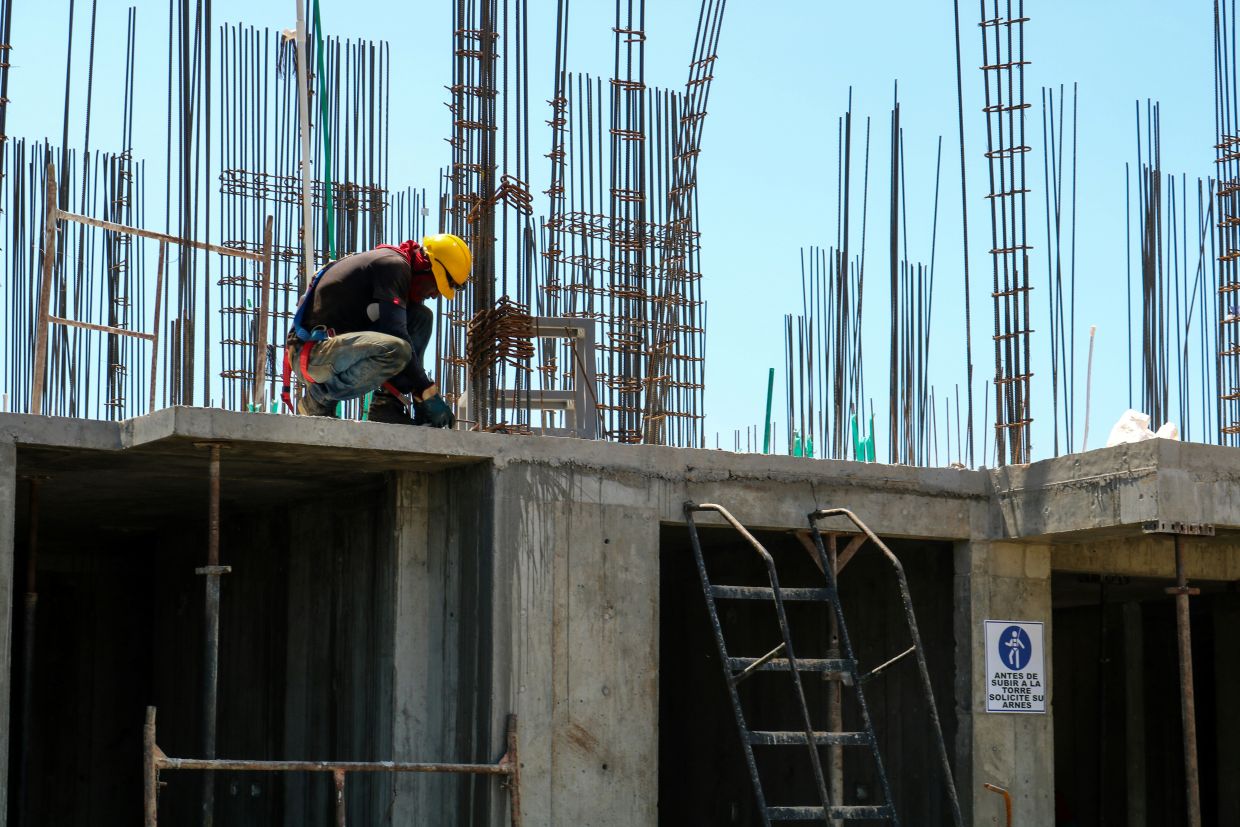
The construction sector serves as a vital engine for economic growth and community development globally, delivering essential housing, commercial buildings, transportation networks, and public infrastructure. However, construction companies worldwide are currently facing a critical and escalating challenge: a severe shortage of skilled labour. As public and private investments in infrastructure, urban development, and housing continue to rise, the inability to recruit qualified personnel is causing widespread project delays, driving up operational costs, and placing immense pressure on delivery schedules.
Labour shortage refers to a situation where the available workforce is insufficient to meet the demand for workers, particularly where there is a lack of skilled personnel for available construction jobs. – BCA
Understanding the Drivers of the Shortage
While labour constraints have affected the industry for years, the deficit has recently intensified due to key demographic and social shifts:
An Ageing Workforce: A primary driver of the shortage is the demographic shift of experienced tradespeople approaching retirement, paired with a lack of younger workers entering the sector to succeed them. This imbalance has accelerated skills gaps across numerous specialised trades.
Perceived Career Appeal: Construction roles are frequently viewed by younger generations as physically demanding and less appealing than careers in technology, finance, or other professional services. Consequently, fewer young people are pursuing vocational training or careers in the field.
Surging Demand: While the supply of qualified workers lags, global demand for construction services continues to rise sharply as governments make heavy investments in public housing, transport, and renewable energy networks.
A Regional Breakdown of the Workforce Crisis
The construction labour shortage is a global phenomenon impacting both developed and emerging economies:
| Region | Key labour challenge | Industry impact |
| Europe | Ageing workforce and skills mismatches | Fewer skilled tradespeople available for construction projects |
| North America | Strong demand for housing, infrastructure and clean-energy projects | Greater competition for specialised construction workers |
| Southeast Asia | Rapid construction growth and limited skilled labour supply | Pressure on the availability of tradespeople, engineers and technical specialists |
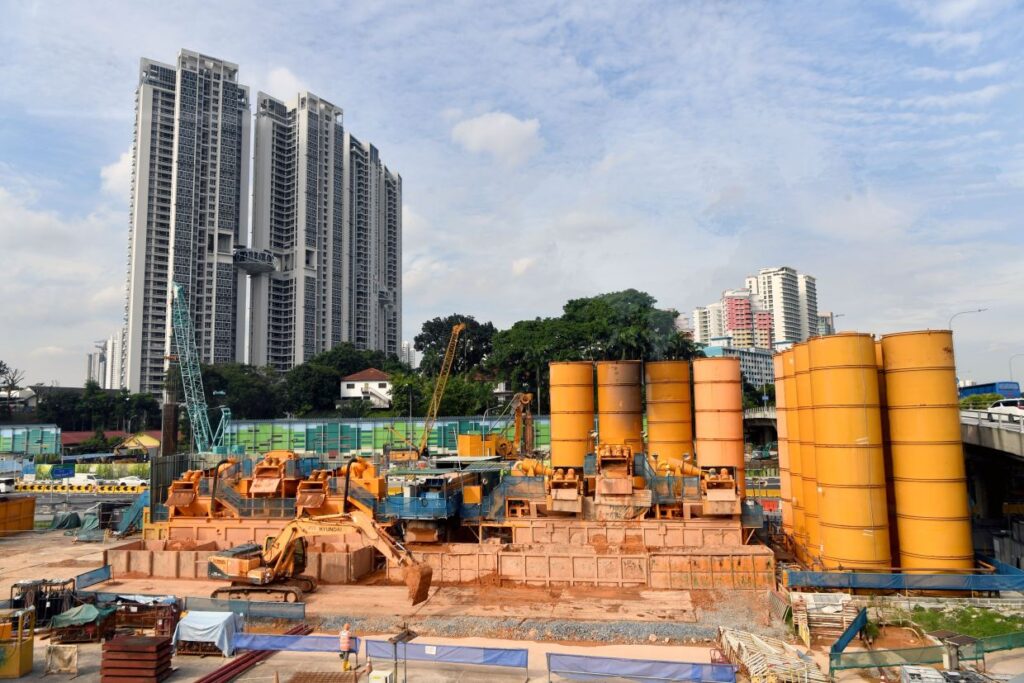
Picture by Chen Te on Pexels
Case Study: Singapore’s Drive for Productivity
Singapore represents a highly developed construction market navigating unique labour pressures. Historically reliant on migrant workers, Singapore now faces intense global competition for this workforce as other labour markets tighten. To mitigate these vulnerabilities, the country has focused heavily on improving productivity through rapid technological adoption and innovation.
Site productivity is defined by the Total Constructed Floor Area (m²) divided by the Total Number of Site Workers (mandays). -BCA
This includes accelerating the implementation of:
- Building Information Modelling (BIM)
- Design for Manufacturing and Assembly (DfMA)
- Prefabrication technologies
Building a Sustainable Future
Resolving the global workforce crisis requires a commitment to long-term, structural solutions. To build a resilient and sustainable industry, construction firms and policymakers must collaboratively focus on:
- Investing in Training: Expanding vocational paths and specialised skills development to close the current skills gap.
- Improving Job Quality: Enhancing the overall appeal and working conditions of construction careers to attract younger talent.
- Embracing Technology: Deploying digital, off-site, and automated construction methods to optimise productivity with a smaller labour footprint.
- Strengthening Workforce Planning: Developing proactive strategies to align labour supply with future infrastructure pipelines.
Reference
- World Economic Forum (WEF) How Global Labour Shortages Are Affecting Construction https://www.weforum.org/stories/
- International Labour Organization (ILO) – Construction Sector https://www.ilo.org/topics-and-sectors/industries-and-sectors/construction
- OECD – Construction Labour Shortages and Labour Market Inequalities https://www.oecd.org/en/publications/labour-shortages-and-labour-market-inequalities_14e62ec0-en.html
- OECD Economic Outlook – Understanding Labour Shortages: The Structural Forces at Play https://www.oecd.org/en/publications/2024/12/oecd-economic-outlook-volume-2024-issue-2_67bb8fac/full-report/understanding-labour-shortages-the-structural-forces-at-play_321e116a.html
- Singapore Ministry of Manpower – Labour Market Report 1Q 2026 https://www.mom.gov.sg/newsroom/press-releases/2026/0615-lmr-1q-2026