dk@dkoutsource.com



Summary: Contract formation determines when parties become legally bound and which terms govern their agreement. For builders, developers and quantity surveyors, understanding verbal agreements, conflicting contract documents, negotiation obligations and electronic signatures can help reduce commercial risks and prevent avoidable construction disputes.
Getting the Contract Right from the Start
Construction projects involve numerous documents, including tender submissions, quotations, purchase orders, letters of award and subcontract agreements. When these documents contain inconsistent terms, parties may disagree over their obligations, payment entitlements or liability.
Singapore contract law provides a framework for determining whether a binding agreement exists. Here are five important considerations for construction professionals.
Good Faith During Negotiations
Singapore law does not generally impose a universal duty on parties to negotiate every contract in good faith. However, an express contractual obligation may be enforceable in appropriate circumstances. In HSBC Institutional Trust Services (Singapore) Ltd vs Toshin Development Singapore Pte Ltd [2012] SGCA 48, the Court of Appeal considered an express obligation to negotiate rent in good faith under an existing lease.
For construction businesses, letters of intent and preliminary agreements should clearly distinguish binding commitments from matters still subject to negotiation. This helps prevent uncertainty over whether work, payment or other obligations have already been agreed.
Can Verbal Agreements Override Written Terms?
Oral agreements can generally be binding, subject to applicable legal requirements. However, disagreements can arise when subsequent written documents do not reflect one party’s understanding of earlier discussions. In Broadley Construction Pte Ltd vs Alacran Design Pte Ltd [2018] SGCA 25, a construction subcontractor signed an undertaking that expressly released it from liability for an outstanding debt. The Court of Appeal upheld the undertaking despite the other party’s different understanding of the earlier discussions.
The lesson: Construction professionals should read written agreements carefully before signing. Verbal assurances should not be assumed to override clear written terms.
Conflicting Quotations and Purchase Orders
A “battle of the forms” occurs when parties exchange documents containing different contractual conditions. For example, a subcontractor’s quotation may contain payment terms that differ from those in a main contractor’s purchase order.
In Pan-United Shipping Pte Ltd vs Cummins Sales and Service Singapore Pte Ltd [2017] SGHC 198, the High Court examined contractual formation and competing terms in commercial documents. The judgment illustrates why the parties’ actual exchanges and conduct matter when determining which terms apply.
Quantity surveyors should compare quotations, tender conditions and purchase orders before acceptance. The last document issued does not automatically determine the contract in every situation.

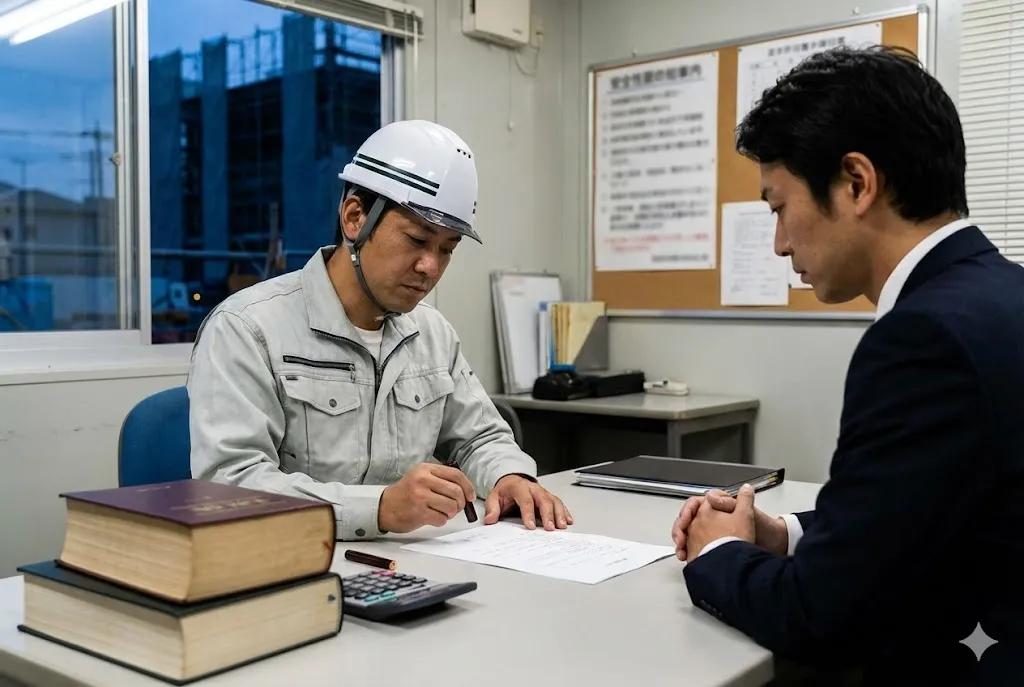
Picture by kuraemon
Clear Contract Language and Documentation
Although Singapore law does not generally require all commercial contracts to be written in English, specific statutory requirements may apply to certain transactions. In construction, inconsistent descriptions of scope, exclusions, specifications or pricing can create disagreements over what was included in the contract. Ensure that drawings, bills of quantities, specifications and conditions of contract are properly coordinated. Record agreed clarifications and amendments so that all parties work from consistent information.
Electronic Signatures and Digital Agreements
The Electronic Transactions Act 2010 recognises electronic records and provides for electronic contract formation, subject to its provisions and exclusions.
Email exchanges and electronic signing platforms can support efficient contract administration. However, businesses should confirm that the parties intended to be bound and that any required execution formalities have been satisfied.
Maintain complete records of approvals, signed documents and document versions to support traceability and reduce disputes over what was agreed.
Conclusion: Establish Clear Terms Before Work Begins
Contract formation is a practical commercial concern, not merely a legal formality. Unclear commitments and inconsistent documents can create uncertainty over scope, payment and liability. For builders, developers and quantity surveyors, careful document review, written confirmation and consistent contract records can help manage risks from the outset of a project.
Contact our team today to discuss your project requirements.
References
- Meritus Law LLC, “Q&A: Contract Formation in Singapore”, Lexology, 12 August 2026.
- HSBC Institutional Trust Services v Toshin Development [2012] SGCA 48. https://www.elitigation.sg/gd/s/2012_SGCA_48
- Broadley Construction v Alacran Design [2018] SGCA 25. https://www.elitigation.sg/gd/s/2018_SGCA_25
- Pan-United Shipping v Cummins Sales and Service Singapore [2017] SGHC 198. https://www.elitigation.sg/gdviewer/s/2017_SGHC_198
- Electronic Transactions Act 2010. https://sso.agc.gov.sg/Act/ETA2010