dk@dkoutsource.com


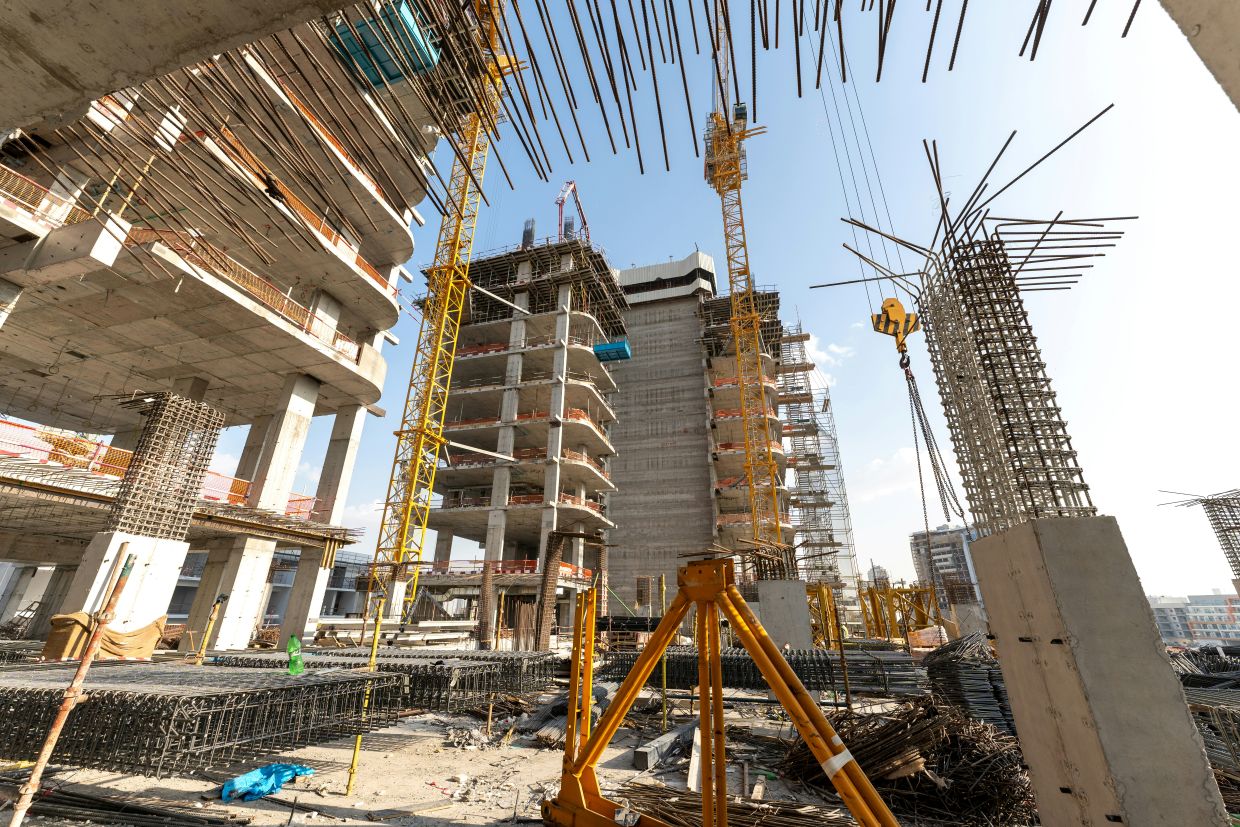
Summary: Material prices can change significantly during the life of a construction project, affecting budgets, tender prices, cash flow and profit margins. This article looks at the causes of construction material price volatility, how contractors and developers can manage material cost risk, and the role of procurement, contracts, contingencies and quantity surveying. Singapore provides a useful example, but the strategies discussed apply to construction projects across Asia and other markets.
What Is Material Price Volatility in Construction?
Material price volatility refers to significant or unpredictable changes in the prices of construction materials over a period of time. Steel, concrete, cement, aluminium, copper, timber and other materials can all be affected by changes in supply, demand, energy prices, transport costs, exchange rates and geopolitical conditions.
RICS describes a fixed-price contract as one where the contract sum is generally not adjusted for changes in the contractor’s costs for labour, materials and plant during the contract period. This can place substantial price escalation risk on contractors when markets become volatile.
The problem is not limited to Singapore. Global supply chain disruptions and changing energy costs have continued to affect construction materials internationally. McKinsey notes that raw material price volatility has remained a challenge alongside supply chain and labour issues.
Why Do Construction Material Prices Change?
Several factors can contribute to material price increases:
- Supply and demand: Shortages or sudden increases in construction activity can push prices higher.
- Energy costs: Steel, cement and other materials can be energy-intensive to manufacture.
- Transportation: Freight and shipping costs can affect imported materials and components.
- Currency movements: Contractors sourcing materials internationally may face additional exposure to exchange-rate changes.
- Geopolitical events: Trade restrictions, conflicts and supply disruptions can affect availability and lead times.
- Project delays: A material purchased months later than planned may cost more than the price included in the original tender.
For example: AIA notes that contingency allowances can be used to address unpredictable changes, including product price escalation.
How Does Material Price Volatility Affect Singapore Construction Projects?
Singapore is particularly relevant because construction projects rely on a combination of locally supplied and imported materials. BCA publishes construction material market prices and material price indices, including data for concrete and steel reinforcement.
Singapore’s public-sector contracting framework also provides a practical example of how construction cost fluctuations can be addressed. Under Clause 33 of the PSSCOC for Construction Works, the Contract Sum can be adjusted upwards or downwards for changes in specified material prices, based on applicable material price indices.
This illustrates an important principle: material price risk does not always have to sit entirely with one party.
Strategies for Managing Material Cost Risk
Effective construction cost management starts before work reaches site. Project teams can take several steps:
| Strategy | How it helps |
| Early procurement | Locks in prices and protects against later increases |
| Supplier comparison | Creates competitive pricing and alternative sourcing options |
| Price monitoring | Identifies emerging cost movements early |
| Material alternatives | Provides options if a specified product becomes expensive or unavailable |
| Contingency allowances | Provides financial protection against uncertain costs |
| Price fluctuation clauses | Allows contractual adjustments where agreed conditions are met |
| Accurate quantity take-offs | Reduces the risk of underestimating material requirements |
Early procurement can be particularly useful for materials with long lead times or significant exposure to international markets. RICS recommends reviewing material lead times and considering earlier procurement when market conditions are uncertain.
Managing Price Risk Through Construction Contracts
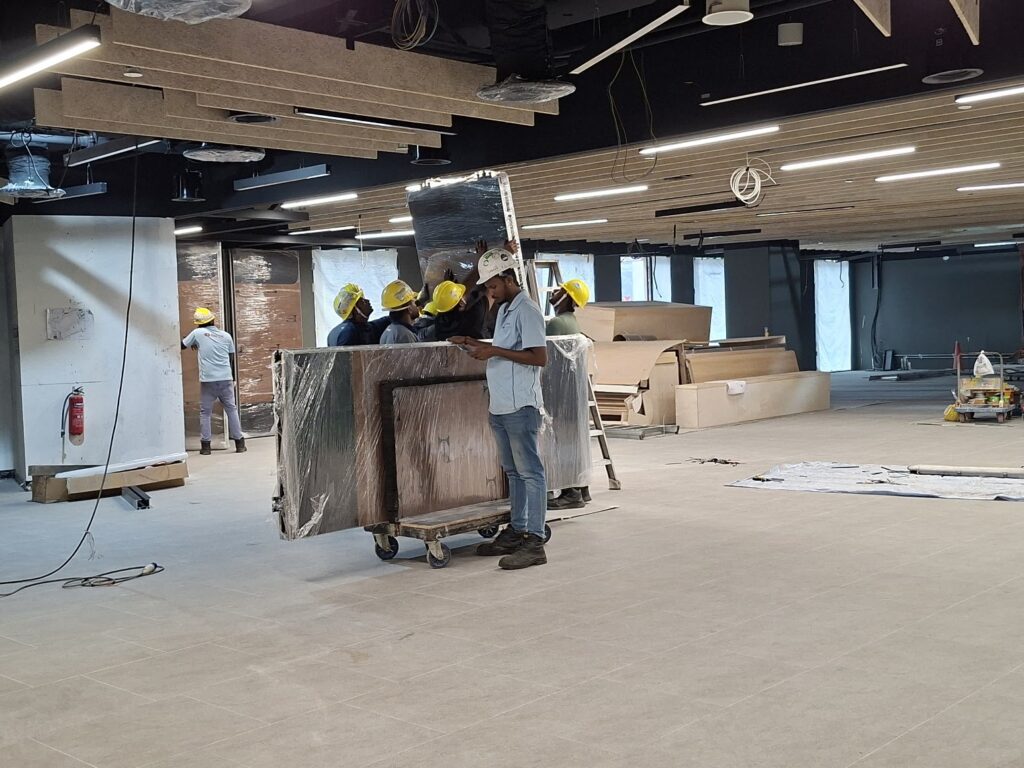
Contract drafting is another important part of material price risk management. Parties should establish before tender:
- Which materials are subject to fluctuation.
- Which price index or reference price will be used.
- What date establishes the base price.
- How increases and decreases will be calculated.
- What supporting documentation is required.
- Which party carries risks outside the agreed mechanism.
For example: a fluctuation clause is only useful when its calculation method, applicable materials and reference indices are clearly established. FIDIC’s approach provides another international example. Its price-adjustment mechanism can use specified cost indices and coefficients to calculate changes in contract prices.
The allocation of risk should also reflect the project rather than simply transferring all uncertainty to the contractor.
“Risk must be allocated fairly between employer and contractor, reflecting the individual project’s context.” -RICS
The Role of Quantity Surveyors
A quantity surveyor (QS) can help project teams identify and monitor material cost exposure throughout the project lifecycle. – RICS
This can include reviewing bills of quantities, analysing supplier quotations, monitoring market prices, assessing variations, preparing cost forecasts and checking contractual entitlement to price adjustments.
Good cost control in construction is therefore not simply about finding the lowest material price. It is about understanding where price risk exists, measuring its potential impact and making informed procurement and contractual decisions before the risk becomes a project problem.
Conclusion
Construction material price volatility is unlikely to disappear completely. The better approach is to manage uncertainty rather than assume that prices will remain fixed from tender through completion.
For projects in Singapore and other markets, combining cost planning, market monitoring, procurement strategies, appropriate contingencies and clearly drafted fluctuation provisions can improve cost certainty. Quantity surveyors and commercial teams have an important role in turning changing market information into practical decisions that protect project budgets and commercial outcomes.
Frequently Asked Questions
What causes construction material price volatility?
Answer: Supply and demand, energy prices, transportation costs, currency movements, geopolitical events and supply chain disruptions can all affect material prices.
Which construction materials are most affected by price volatility?
Answer: Steel, cement, concrete, copper, aluminum and other commodities can experience significant price movements, although the level of volatility varies by market and period.
How can contractors manage material price increases?
Answer: Contractors can consider early procurement, supplier diversification, accurate forecasting, contingencies and appropriate price fluctuation clauses.
What is a fluctuation clause in a construction contract?
Answer: A fluctuation clause allows the contract price to be adjusted when specified costs, such as certain material prices, rise or fall according to an agreed calculation method.
Does Singapore’s PSSCOC allow for material price fluctuations?
Answer: Yes. PSSCOC Clause 33 provides a mechanism for adjusting the Contract Sum for specified material price fluctuations, subject to the conditions and methodology stated in the contract.
Can a quantity surveyor help with material price volatility?
Answer: Yes. A QS can assist with cost planning, procurement analysis, price monitoring, forecasting, variations and assessment of contractual price adjustments.
References
- Building and Construction Authority – PSSCOC https://www1.bca.gov.sg/growth-and-transformation/procurement/standard-contract-forms/public-sector-standard-conditions-of-contract-psscoc/
- BCA – PSSCOC Clause 33: Fluctuations https://www1.bca.gov.sg/docs/default-source/docs-corp-procurement/psscoc-for-construction-works-2020.pdf
- RICS – How Can Industry Handle Volatile Inflation? https://ww3.rics.org/uk/en/journals/construction-journal/inflation-affecting-construction-industry.html
- RICS – How to Plan for Global Market Volatility https://ww3.rics.org/uk/en/journals/construction-journal/market-volatility-how-to-plan.html
- McKinsey – Building Materials: Understanding the Keys to Outperformance https://www.mckinsey.com/industries/engineering-construction-and-building-materials/our-insights/building-materials-understanding-the-keys-to-outperformance
- McKinsey – The Building-Materials Market: Managing the Margins https://www.mckinsey.com/industries/engineering-construction-and-building-materials/our-insights/how-much-is-a-brick-that-depends