dk@dkoutsource.com


Summary: Office retrofitting involves more than upgrading an existing workspace to improve its appearance, functionality and efficiency. It also requires careful planning for future maintenance, repairs and material replacement. While attention is often given to the immediate construction costs and renovation programme, one important consideration can be overlooked during tender preparation: reserve stocks of materials.
Planning Beyond the Initial Office Retrofit
An office retrofit typically involves upgrading selected areas of an existing building while retaining parts of the original structure and services. Depending on the project requirements, the scope may include new floor finishes, partitions, lighting, mechanical and electrical services, and improvements to the overall workplace layout.
Although the immediate objective is to complete the renovation within the agreed budget and timeframe, the long-term usability of the office should also be considered.
An example, carpet installed in meeting rooms, corridors and high-traffic areas will gradually experience wear. Individual sections may also become stained or damaged through daily use, furniture movement or maintenance activities. When replacement becomes necessary, obtaining an exact match for the original carpet can be difficult, particularly if the product or colour has been discontinued.
This is why future maintenance requirements should be considered during tender preparation, rather than addressed only when replacement materials are needed.
Why Reserve Carpet Stocks Matter
Carpet is a useful example of a finish material that benefits from having reserve stock available after an office retrofit.
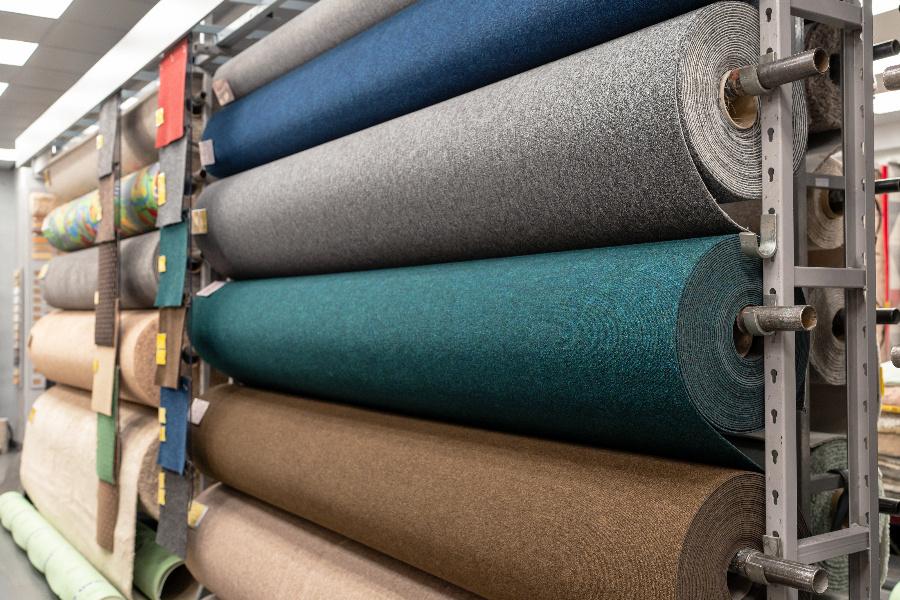
The accompanying photograph shows rolls of carpet material labelled with their respective dimensions. Keeping an appropriate quantity of these materials as reserve stock can provide several practical benefits.
Maintaining a consistent appearance
Carpet products can vary between production batches in colour, texture, pattern and shade. Even when the same product is reordered, a new batch may not match the carpet already installed. Retaining spare material from the original procurement helps maintain a uniform appearance when damaged or worn sections need to be replaced.
Reducing future replacement costs
Without reserve stock, the building owner may need to purchase new carpet in a small quantity. This can result in higher unit costs, additional delivery charges or minimum-order requirements. If the original carpet is no longer available, replacing a larger area may become necessary to achieve a consistent finish.
Minimising maintenance disruption
Offices often need to remain operational during maintenance works. Having suitable replacement materials readily available can help reduce procurement lead times and allow damaged sections to be repaired more promptly, minimising disruption to occupants.
Supporting long-term facilities management
A reserve stock provides building management teams with greater flexibility when responding to everyday wear and tear. Rather than treating every damaged section as a new procurement exercise, they can use the retained materials to carry out localised repairs where appropriate.
Including Reserve Materials in the Tender Scope
To ensure reserve materials are properly accounted for, they should be identified clearly during the preparation of the tender documents and Bill of Quantities (BQ).
Where carpet is specified for an office retrofit, the tender should distinguish between the quantity required for installation and the additional quantity to be retained for future replacement.
If a project requires carpet for office floors, the tender documentation could specify the installed quantity separately from the additional rolls or square metres to be supplied as reserve stock. The required quantity should be determined based on the project size, carpet type, expected maintenance needs, product availability and the owner’s requirements.
The tender documents should also clarify:
- Material specifications: Identify the carpet manufacturer, product reference, colour, pattern, backing and other relevant requirements.
- Reserve quantities: State the additional quantity to be supplied, preferably using clearly defined units such as square metres or rolls.
- Pricing and measurement: Include reserve materials as a separate line item in the BQ or pricing schedule so tenderers can price them transparently.
- Delivery and handover: Specify when reserve materials must be delivered and where they should be stored after completion.
- Documentation: Require product details, batch information and relevant supplier information to be recorded for future reference.
Picture by Mike Van Schoonderwal on Pexels
How Quantity Surveyors Can Help
Quantity surveyors play an important role in identifying and managing the cost implications of reserve materials during office retrofitting projects.
During tender preparation, they can review the proposed finishes, assess whether additional materials should be included and ensure the requirements are adequately reflected in the BQ. They can also help the client compare tender submissions on a consistent basis, reducing the risk of reserve materials being omitted or priced inconsistently.
The appropriate quantity should be assessed carefully. Excessive reserve stocks can tie up project funds and require additional storage space, while insufficient quantities may leave the owner exposed to future replacement costs.
A balanced approach considers the expected service life of the material, the likelihood of damage, the availability of replacement products and the cost of future procurement. The objective is not to stockpile materials unnecessarily, but to make a reasonable provision for foreseeable maintenance needs.
Managing Reserve Stocks After Project Completion
Including reserve materials in the tender is only the first step. Their value also depends on proper storage and inventory management after handover.
Carpet rolls should be stored in accordance with the manufacturer’s recommendations, in a suitable environment that protects them from moisture, dirt, physical damage and other conditions that could affect their usability. Materials should be clearly labelled and recorded in a handover inventory.
Building owners and facilities managers should also retain relevant product specifications, colour references, batch details and supplier information. This makes it easier to identify the correct material when future repairs are required.
Where possible, reserve stocks should be incorporated into the building’s preventive maintenance and asset management plans, with periodic checks to confirm their condition and availability.
Conclusion
A successful office retrofit should account for more than the immediate cost of completing the renovation. It should also consider how the finished space will be maintained throughout its useful life.
Including reserve materials in the tender, particularly carpet and other finish materials that may be difficult to match later, can help building owners control future costs, maintain a consistent appearance and reduce maintenance disruption.
For quantity surveyors and project teams, identifying these requirements early and incorporating them clearly into the BQ and tender documents is a practical way to support better cost planning and long-term building management. A relatively small provision during procurement can help avoid more complicated and expensive replacement decisions in the future.
Frequently Asked Questions
Why should reserve materials be included in an office retrofitting tender?
Reserve materials allow building owners to replace damaged or worn finishes in the future without having to source new materials from scratch. Including them in the tender helps account for future maintenance needs, supports cost planning and reduces the risk of colour or material mismatches.
How much reserve carpet should be included in a tender?
The quantity depends on the total carpeted area, material type, installation layout, expected wear and tear, product availability and the client’s maintenance requirements. There is no single percentage suitable for every project. The quantity should be agreed with the client and relevant suppliers during tender preparation.
What are the risks of not keeping spare carpet after an office retrofit?
The original carpet may become discontinued, or replacement stock may differ in colour, texture or production batch. This could require replacing a larger section of flooring, increasing costs and potentially disrupting office operations.
How should reserve carpet materials be specified in the Bill of Quantities (BQ)?
Reserve carpet should be identified separately from the quantity required for installation. The BQ should state the product specifications, colour, dimensions, required quantity and applicable pricing. Tender documents should also clarify delivery, storage and handover requirements.
Besides carpet, what other materials should be considered for reserve stock?
Depending on the project, reserve materials may include vinyl flooring, ceiling tiles, wall finishes, paint, decorative laminates and other proprietary finishes that may be difficult to match or source later. The decision should consider the likelihood of damage, availability of replacement products, storage requirements and future maintenance costs.
References
- Building and Construction Authority (BCA) – Public Sector Standard Conditions of Contract for Construction Works (2020). https://www1.bca.gov.sg/docs/default-source/docs-corp-procurement/psscoc-for-construction-works-2020.pdf
- ANB Furnishing – Carpet Tile Maintenance Guide. Covers routine cleaning, maintenance and replacement considerations for commercial flooring. https://www.anb.com.sg/blogs/carpet-flooring/carpet-tile-maintenance-guide
- ANB Furnishing – Carpet Tile Specifications Explained.https://www.anb.com.sg/blogs/commercial-flooring/carpet-tile-specifications-explained
- MONLI – Tile Replacement Carpet Singapore: Complete Guide. https://monli.com.sg/blogs/carpet/tile-replacement-carpet-singapore-complete-guide
- MONLI – Patterned Carpet Tile Singapore: Design Guide. https://monli.com.sg/blogs/carpet/patterned-carpet-tile-singapore-design-guide
- Tornex – Carpet Tile Spot Replacement Guide — Dye Lots. Explains why production batches and wear can affect the appearance of replacement tiles. https://www.tornex.co.kr/en/journal/carpet-tile-partial-replacement-guide