dk@dkoutsource.com


In the modern construction sector, projects often involve a complex network of main contractors, subcontractors, and related corporate entities working in tandem. While this collaborative structure can drive project efficiency, it also introduces significant commercial risks if the formal contractual arrangements do not align with how the project is managed on a day-to-day basis. A notable decision by the Singapore High Court highlights why disciplined contract administration, clear cost management, and rigorous project documentation are absolutely essential when commercial disagreements arise.
The Case of JXC v Thye Chuan Engineering Construction
In the case of JXC Pte Ltd v Thye Chuan Engineering Construction Co Ltd SGHC 100, a commercial dispute between a main contractor and its subcontractor escalated to arbitration. A key point of contention centered on costs claimed by the contractor where several project invoices had been issued to a related company rather than to the actual contracting party named in the agreement.
Before allowing these costs to be relied upon, the arbitrator carefully evaluated the operational evidence to determine how the parties had actually operated and interacted during the project lifecycle.
The High Court subsequently rejected an application to set aside this arbitral award. Discussed in a July 2026 legal update by Clyde & Co, this landmark decision emphasises that resolving construction disputes requires looking beyond the text of the contract to examine the practical, everyday evidence of how the project was actually conducted.
Why Project Documentation Matters in Cost Management
A construction contract does not exist in a vacuum; disputes are rarely resolved by the contract terms alone. Instead, contemporary project records serve as the primary evidence used to settle commercial disagreements.
Essential records that project teams must maintain include:
- Invoices and payment records
- Written correspondence and meeting minutes
- Variation orders and progress claims
This documentation becomes critically important when a related corporate entity incurs a project expense. In these scenarios, the financial records must explicitly establish what the cost relates to, why it was incurred, and how it directly connects to the contracting party and its specific obligations. If a business cannot clearly trace its project costs back to a specific instruction, physical task, or contractual obligation, establishing the foundation of a claim becomes exceptionally difficult.

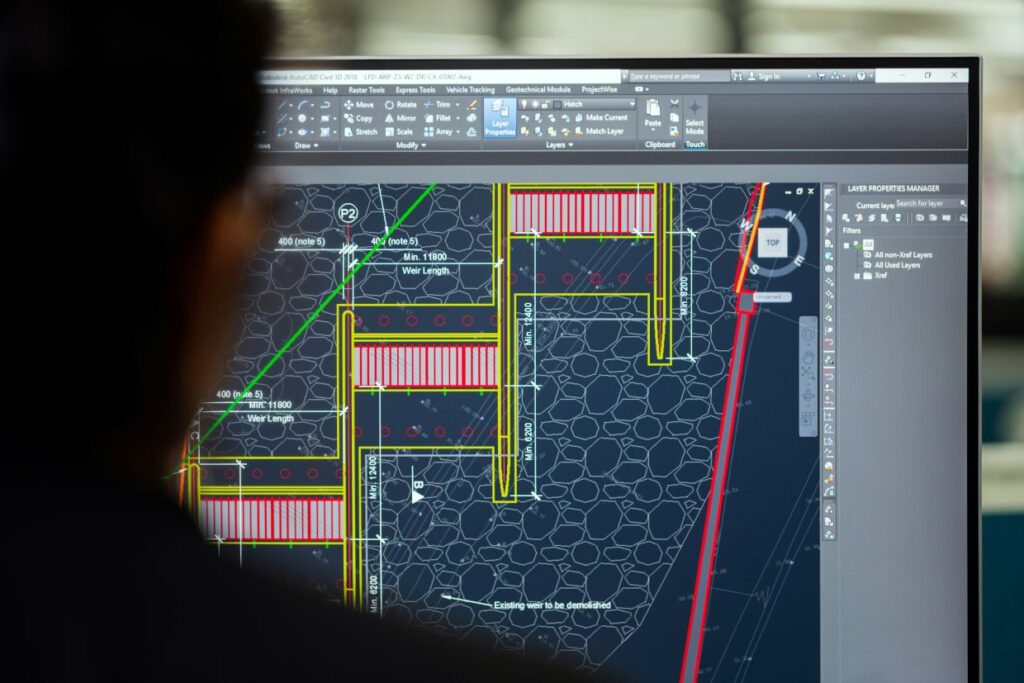
Picture by gustavo fring on pexels
The Strategic Role of the Quantity Surveyor
A professional consultant quantity surveyor (QS) acts as a vital commercial safeguard, ensuring that project cost information remains highly accurate, structured, and organised. -SISV
Throughout the construction timeline, quantity surveying services provide critical support by:
- Monitoring ongoing project expenditure and maintaining supporting cost documentation.
- Evaluating variations and objectively assessing contractor progress claims.
- Linking financial records directly to the active contract and defined scope of work.
By establishing this clear financial trail, the QS provides project teams with a reliable, indisputable record to reference the moment commercial questions arise. Furthermore, disciplined quantity surveying helps identify potential issues early in the build. Administrative discrepancies—such as unclear instructions, inconsistent invoicing, or poorly documented variations—may seem minor during active construction, but they frequently escalate into major, costly deadlocks if the project descends into a formal dispute.
Proactive Dispute Prevention: Aligning Practice with Contracts
The broader takeaway from the High Court’s decision is that project administration must be managed proactively from day one, rather than defensively after a dispute reaches arbitration or litigation.
To minimise commercial uncertainty and de-risk project delivery, developers, contractors, and subcontractors should implement the following administrative practices:
- Verify Contracting Entities: Ensure the correct legal entities are clearly identified and consistently maintained across all correspondence and transactions.
- Record Costs Meticulously: Document all project expenditures, ensuring a clear trace of what was spent, why it was spent, and how the expense relates directly to the project.
- Put Instructions in Writing: Maintain a strict written record of all critical site instructions, directives, and approvals.
- Track Variations Dynamically: Document and value all changes to the original scope of work as they occur.
Ultimately, effective cost control is about more than simply managing cash flow and keeping a project within its baseline budget. It is about establishing a highly robust, traceable, and legally defensible record of project execution. As construction projects grow increasingly complex, maintaining these high standards of financial and contractual discipline remains an organisation’s best defence against risk and uncertainty.
Reference
Clyde & Co – When Project Companies and Contracting Parties Blur. The article was published on 23 July 2026 and discusses the Singapore High Court’s decision in JXC Pte Ltd v Thye Chuan Engineering Construction Co Ltd [2026] SGHC 100