dk@dkoutsource.com

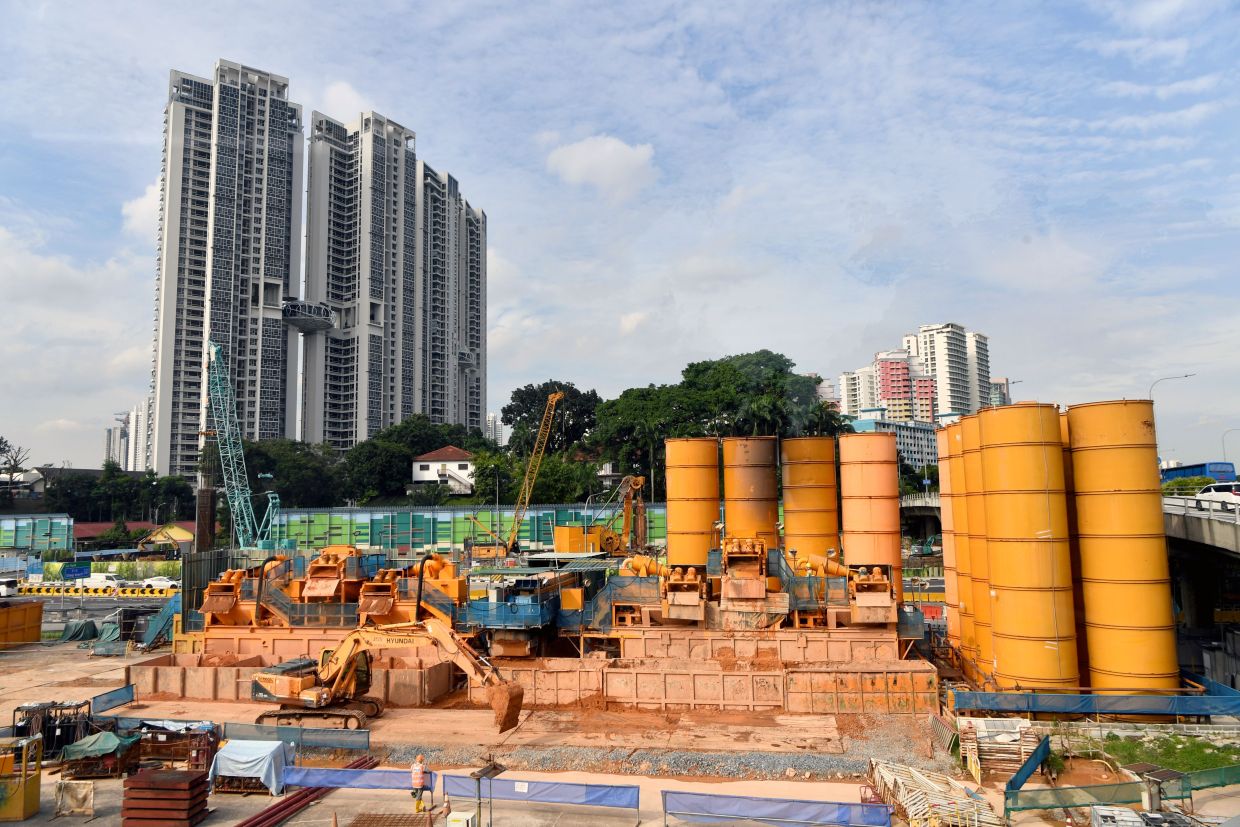
Construction is globally recognized as one of the most complex, capital-intensive, and high-risk industries in the world. Every project unites a diverse web of stakeholders, including developers, contractors, subcontractors, consultants, suppliers, and project owners.
Although these parties work together to deliver a completed asset, they frequently operate with conflicting expectations, differing contractual obligations, and competing commercial interests, making construction disputes a persistent global challenge across Asia, Europe, and North America. Identifying and understanding the root causes of these conflicts is essential for controlling costs, reducing project risks, and preserving valuable professional relationships.
A construction dispute is a disagreement arising from a construction project, commonly involving matters such as delays, costs, payment, contractual obligations, or the interpretation of contract terms. -RICS
The Primary Catalyst: Unclear Contract Documentation
One of the most common triggers of construction disputes is poor documentation, ambiguous wording, or poorly drafted contracts. Contracts are intended to establish a clear, legally binding framework that defines the project scope of work, individual responsibilities, schedules, payment terms, and formal dispute resolution pathways.
However, unclear phrasing or conflicting clauses often create intense misunderstandings. For instance, if a contractor and project owner interpret technical requirements differently, conflicts quickly arise. Ambiguities surrounding risk allocation, payment entitlements, or quality standards frequently escalate into formal disputes, whereas well-structured contracts and rigorous documentation drastically reduce the likelihood of conflict throughout the project lifecycle.
Fluidity in the Field: Scope Changes and Variations
Changes to the original scope of work are virtually inevitable in construction. Design modifications, client variations, unexpected site conditions, and evolving regulatory requirements often necessitate physical changes that alter project schedules and costs.
Disputes frequently arise when stakeholders disagree over whether a change was formally instructed, properly approved, or accurately valued. In the absence of contemporaneous records and structured change management protocols, parties will naturally interpret the financial and contractual impacts of additional works differently. Maintaining meticulous records and ensuring prompt, transparent communication are critical for successfully managing these project variations.
Cash Flow Constraints: Payment-Related Issues
Payment disagreements represent one of the most frequent and commercially damaging sources of conflict in the built environment. Delayed payments, disputed invoices, under-certification of completed work, and conflicting valuations place severe financial pressure on contractors and subcontractors.
Because steady cash flow is vital to the operational survival of supply chain partners, delayed or contested payments can halt site progress and severely strain commercial relationships. Within Singapore’s jurisdiction, the Building and Construction Industry Security of Payment Act (SOPA) establishes a statutory framework specifically designed to resolve payment-related disputes rapidly, securing supply chain cash flow and keeping projects moving forward.
Time Slippage: Schedule Delays and Overruns
Project delays are a major source of contractual friction. Construction schedules are highly vulnerable to delays caused by labour shortages, supply chain disruptions, adverse weather conditions, late design changes, or unforeseen ground conditions.
The core challenge in these disputes is determining which party is contractually responsible for the delay, which directly dictates whether an extension of time (EOT) should be granted and whether additional financial compensation is due. Disputes involving EOT claims, liquidated damages, and prolongation costs become exceptionally complex and difficult to resolve if project records are incomplete. Mitigating these disputes requires highly accurate scheduling, disciplined progress monitoring, and rigorous record-keeping.
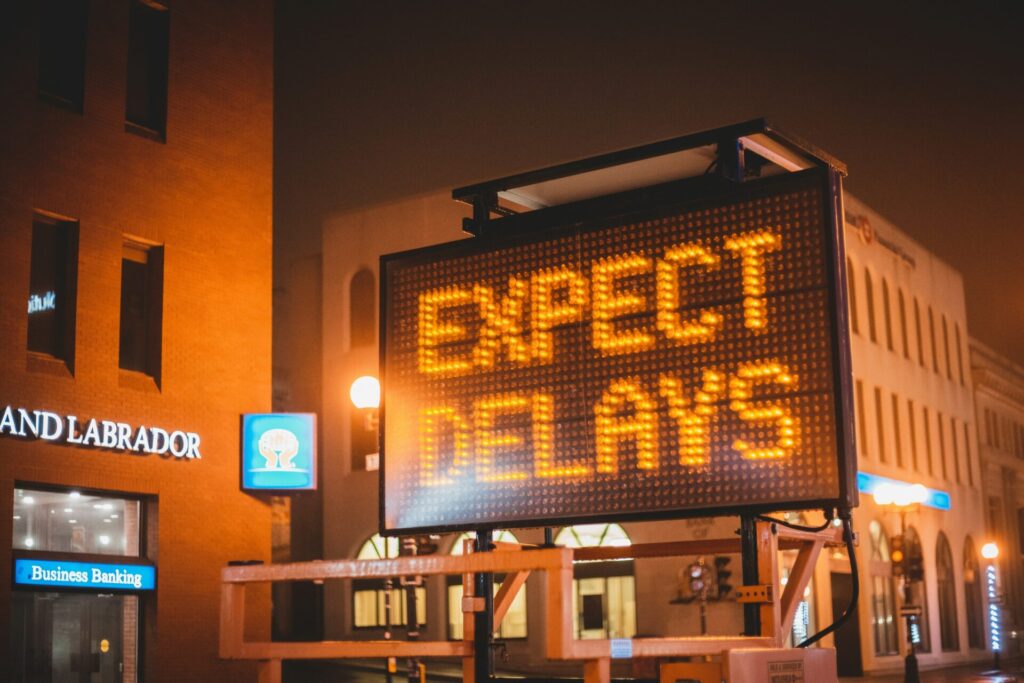
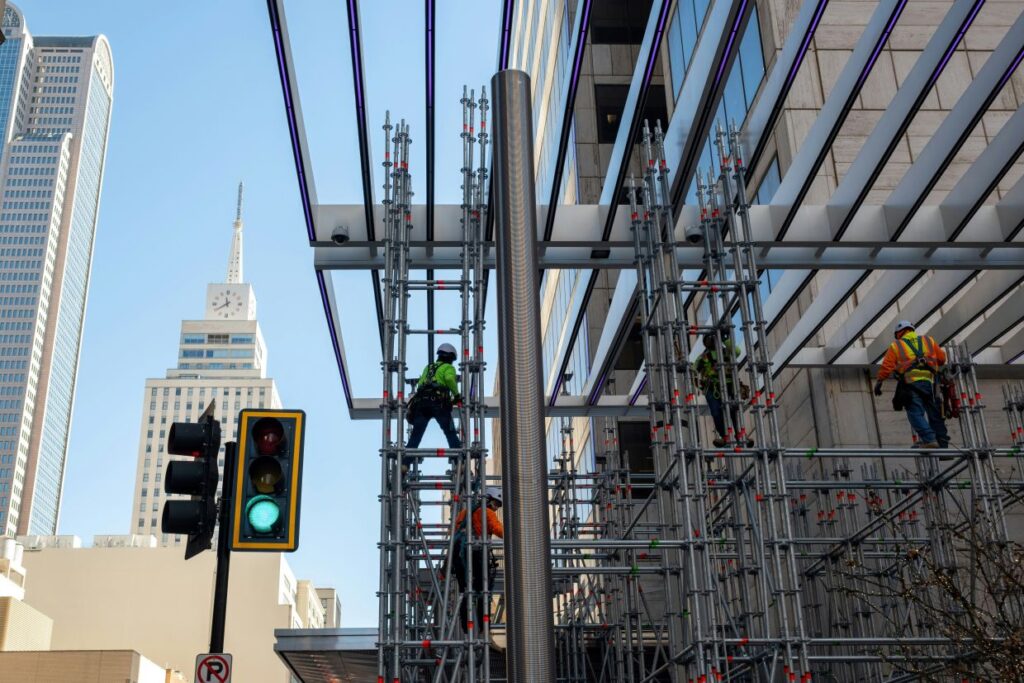
Picture by Erik Mclean on Unsplash
The Human Element: Poor Communication and Coordination
Many construction disputes stem from communication breakdowns rather than technical engineering failures. Construction sites demand constant, seamless coordination among multiple independent organizations working under highly compressed schedules and tight budgets.
| Common cause of dispute | Typical issue | Potential consequence |
| Unclear contract documentation | Ambiguous clauses, unclear responsibilities or conflicting requirements | Contractual disagreements and claims |
| Scope changes and variations | Unapproved changes, disputed valuation or unclear instructions | Additional costs and programme impacts |
| Payment-related issues | Delayed payments, disputed valuations or under-certification | Cash-flow pressure and payment disputes |
| Schedule delays and overruns | Late information, labour shortages or unforeseen conditions | EOT claims, prolongation costs and liquidated damages |
Misunderstandings occur rapidly when site instructions are poorly communicated, project updates are delayed, or stakeholder boundaries are unclearly defined. Minor communication issues can quickly develop into significant contractual disputes if left unaddressed. Implementing regular coordination meetings, transparent progress reporting, and collaborative project management systems significantly reduces the risk of conflict.
Proactive Defense: The Quantity Surveyor’s Role in Prevention
Professional quantity surveying services act as a vital commercial safeguard against the common triggers of construction disputes. Consultant Quantity Surveyors (QS) provide essential commercial expertise in cost planning, contract administration, procurement, budget control, and the valuation of variation claims.
Professional Quantity Surveyor is a construction cost consultant, with responsibilities that include financial and contractual advice, Bills of Quantities, life-cycle costing, and project cost control and forecasting. -SISV
Because the majority of disputes involve costs, payment certifications, or contractual duties, a consultant QS mitigates risk by keeping accurate financial records and ensuring that contractual procedures are followed strictly. In complex construction markets like Singapore, engaging an experienced quantity surveyor helps project teams identify commercial risks early, support data-driven decisions, and improve overall project outcomes.
Structured Pathways: Resolving Unavoidable Disputes
Despite meticulous planning and diligent contract management, disputes can still arise. When negotiations stall, professional construction dispute resolution services offer practical, cost-effective pathways to achieve resolution.
Common conflicts—such as payment claims, variations, schedule overruns, defect rectifications, and contract interpretations—typically require specialist analysis and expert guidance to resolve. Dispute consultants support the process by reviewing contemporary project records, assessing contractual entitlements, and preparing formal claims to assist negotiations. In Singapore and other major jurisdictions, alternative dispute resolution (ADR) methods—such as statutory adjudication, mediation, and arbitration—are widely utilized to resolve construction conflicts efficiently, avoiding the immense expense of prolonged court litigation while preserving commercial partnerships.
Conclusion
Construction disputes are rarely triggered by an isolated issue; they are almost always the result of compounding factors, including unclear contracts, unmanaged variations, payment delays, schedule overruns, and poor communication. By proactively understanding these root causes, project stakeholders can take decisive steps to protect their commercial interests. Engaging professional quantity surveyors and dispute resolution experts early in the process remains an essential strategy for delivering complex construction projects on time, within budget, and free from destructive legal battles.
References
- Legal Clarity. Construction Contract Disputes: Causes and Resolution. https://legalclarity.org/construction-contract-disputes-causes-and-resolution/
- Kelar Pacific. Construction Disputes: Why They Happen and How to Prevent Them. https://www.kelarpacific.com/building-construction-disputes/
- Autodesk Digital Builder. Causes of Construction Disputes: How to Resolve Them. https://www.autodesk.com/blogs/construction/construction-disputes/
- Construction Industry Institute. Disputes Prevention and Resolution Techniques in the Construction Industry. https://www.construction-institute.org/topic-summaries/rt-000-100/disputes-prevention-resolution/disputes-prevention-and-resolution-techniques-in-t
- Constructive Advisory Singapore. Dispute Avoidance versus Dispute Resolution. https://www.constructive.sg/insights/dispute-avoidance-versus-dispute-resolution