dk@dkoutsource.com

Summary: The ongoing Canberra Residences dispute highlights how unresolved defects can develop into lengthy contractual disputes. Water seepage, ponding, damaged glass and disagreements over rectification methods show why clear scopes, timelines and documentation matter in construction defect management.
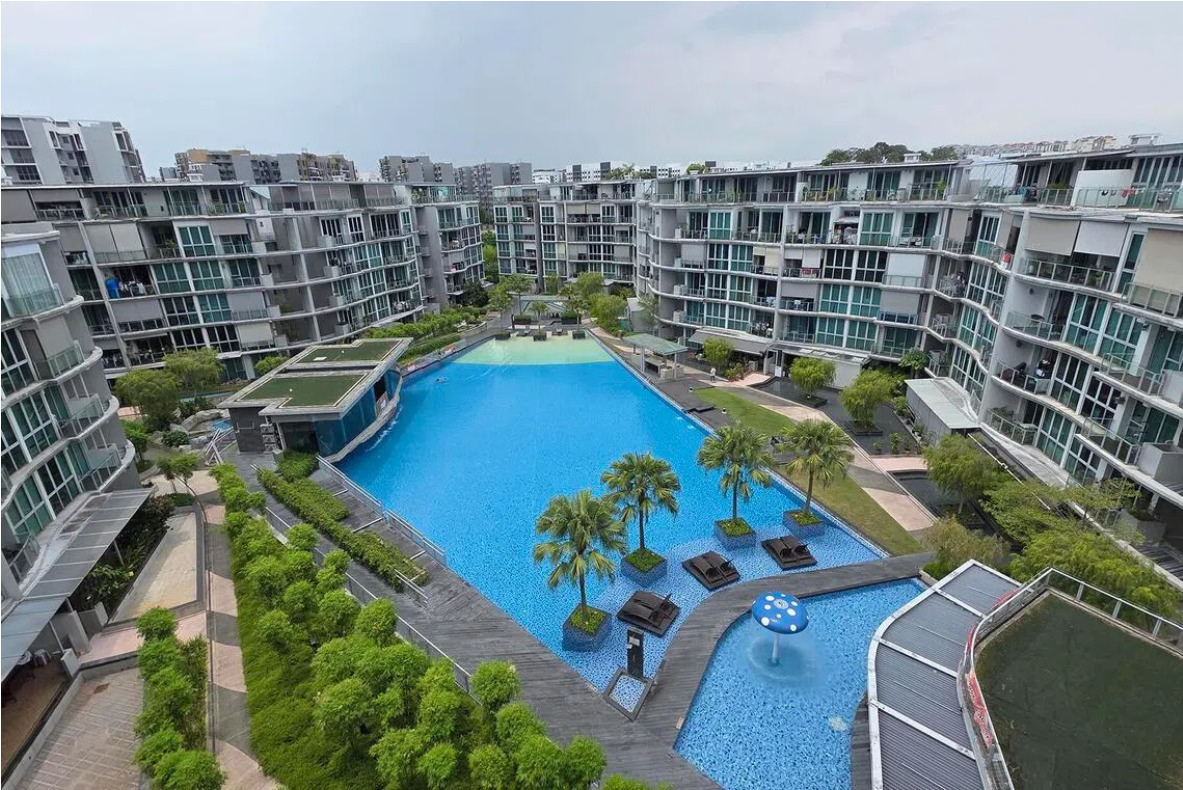
More than a decade after Canberra Residences received its temporary occupation permit, alleged defects at the Sembawang condominium have become the subject of another legal dispute. According to The Straits Times, the management corporation strata title (MCST) is suing main contractor MCC Engineering (Singapore) for an alleged breach of a 2020 settlement agreement.
The agreement followed earlier legal proceedings concerning alleged defects at the development. The contractor denies breaching the agreement, and the case is scheduled for an 11-day trial beginning on 20 October 2026.
When defect rectification becomes a dispute
Canberra Residences received its temporary occupation permit in June 2013 and comprises 13 blocks and 320 units. Residents have reportedly experienced issues including water seepage, water ponding and defective finishes.
The 2020 settlement agreement required the contractor to carry out various rectification, upgrading and drainage works. These included replacement of balcony glass and works addressing water seepage, ponding, floor finishes, paintwork and water features.
The MCST now alleges that some works were either incomplete or did not comply with the agreed methods and standards.
The contractor disputes this. It maintains that most rectification works were completed and argues that some works were affected by issues such as access, approvals and Covid-19-related delays. It also disputes whether the alleged completion deadline was absolute.
The disagreement illustrates an important point: a defect dispute can involve more than identifying what is wrong. Parties may also disagree about the required repair method, completion date, access arrangements and whether a rectified defect has actually been resolved.
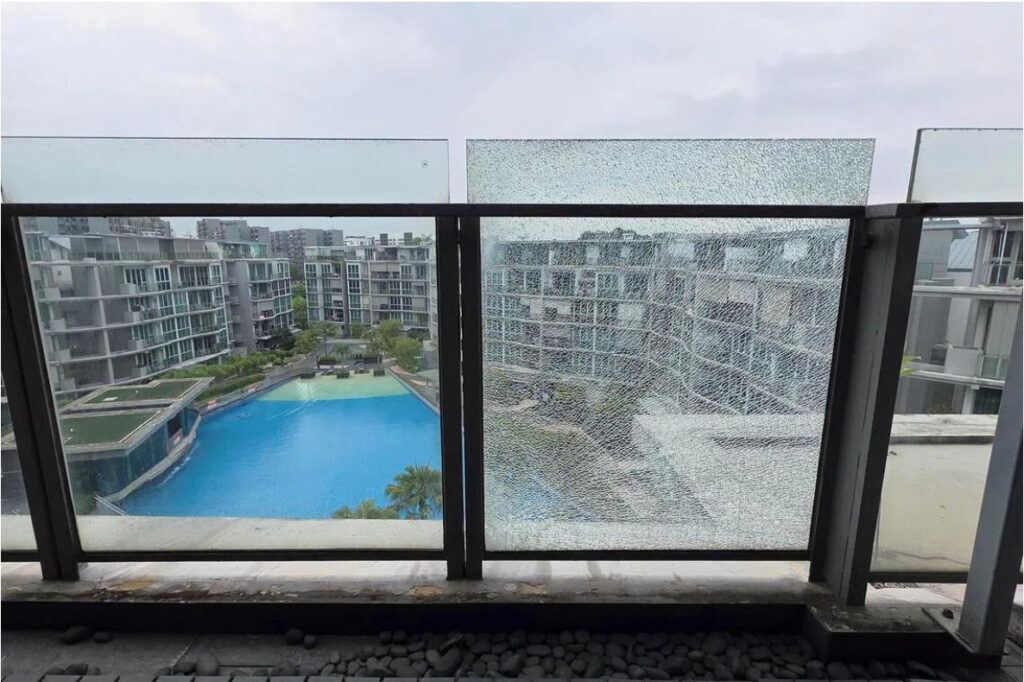
Picture by Joyce Lim in Strait Times
Water seepage requires more than surface repairs
Water-related defects can be particularly challenging because visible damage may not reveal the underlying cause. BCA’s construction quality guidance notes that leakage can result in problems including paint deterioration, efflorescence and corrosion. Investigation is therefore important in determining the cause before selecting an appropriate repair.
At Canberra Residences, the MCST alleges that water ponding and seepage remain in areas including lift lobbies, basement areas, gyms, staircases and private units. For project teams, this highlights the importance of identifying the source of water ingress before deciding that a repair is complete.
Clear records can help prevent prolonged disputes
The balcony glass issue also demonstrates why rectification works need clearly documented requirements. According to the report, the MCST alleges that some replacement panels subsequently shattered because the agreed replacement method was not followed. The contractor disputes the allegations.
A reminder for project teams
The Canberra Residences case has yet to be decided, so liability remains a matter for the court.
However, the dispute provides a useful reminder that defect management does not end when a repair is carried out. Clear scopes, agreed rectification methods, realistic timelines and proper documentation can reduce uncertainty when defects arise.
For developers, contractors, consultants and MCSTs, treating rectification as a structured process can help prevent individual defects from developing into much larger and longer-running construction disputes.
Frequently Asked Questions
What is construction defect rectification?
Answer: Construction defect rectification refers to work carried out to correct or remedy a defect in a completed or partially completed building or construction work.
Why can water seepage lead to construction disputes?
Answer: Water seepage can have different possible causes, making it important to establish the source before deciding on the appropriate repair. Disagreements may arise over the cause, repair method, responsibility or whether the completed work has resolved the problem.
Why is documentation important during defect rectification?
Answer: Records can establish what defect was identified, what rectification method was agreed, when work was carried out and whether the completed work was inspected or tested. This can provide useful evidence if the parties later disagree.
What is a defects liability period?
Answer: A defects liability period is a contractual period after completion during which a contractor may be required to rectify defects identified under the terms of the contract. The specific duration and obligations depend on the applicable contract.
When will the Canberra Residences dispute go to trial?
Answer: According to The Straits Times, the case is scheduled for an 11-day trial beginning on 20 October 2026.
References
- The Straits Times – Canberra Residences dispute https://www.straitstimes.com/singapore/housing/shattered-glass-water-seepage-canberra-residences-owners-sue-contractor-over-unresolved-defects
- BCA – Construction Quality https://www1.bca.gov.sg/safety-and-standards/construction-quality/
- BCA – Quality Housing Portal https://www.bca.gov.sg/quality-housing-portal/
- BCA – Quality Mark for Good Workmanship https://www1.bca.gov.sg/safety-and-standards/construction-quality/quality-mark/
- BCA – CONQUAS 2022 https://www1.bca.gov.sg/docs/default-source/docs-corp-buildsg/quality/conquas-2022-r1-v4.pdf
- BCA – Defects and Rectification guidance https://www1.bca.gov.sg/docs/default-source/docs-corp-buildsg/quality/wiwaappendix-combined.pdf
- BCA – Updates to CONQUAS for private residential developments https://www1.bca.gov.sg/resources/newsroom/speech-by-minister-chee-hong-tat–at-the-redas-66th-anniversary-dinner-2025–/