dk@dkoutsource.com


Construction contracts are designed to provide a clear framework for delivering a project, but when relationships break down, termination can quickly become one of the most contentious stages of a project. Delays, non-payment, defective work, insolvency and repeated contractual breaches may all lead one party to consider ending the agreement.
However, terminating a contract is not simply a matter of deciding that the other party has failed to perform. Employers and contractors must establish that they have a contractual or legal right to terminate and follow the required procedures. Failure to do so can create termination disputes construction which would cause multiple problems.
Employer and Contractor Rights
The rights of an employer and contractor depend primarily on the terms of the construction contract. Standard forms may contain specific provisions dealing with termination for default, termination for convenience, insolvency and other circumstances.
Construction contract termination is the ending of a contractual relationship before the parties have completed all of their obligations, where the contract or applicable law provides a right to bring the agreement to an end. -RICS
An employer may have grounds to terminate where a contractor substantially fails to perform its obligations, abandons the works, repeatedly fails to meet contractual requirements or becomes insolvent. Depending on the contract, the employer may first be required to issue notices and give the contractor an opportunity to remedy a breach.
Contractors also have important rights. Persistent non-payment, prolonged suspension or serious interference with performance may, depending on the contract, provide grounds for the contractor to terminate. Singapore’s construction sector provides a useful example of why these rights need to be considered carefully.
In Singapore, the Singapore Institute of Architects’ standard contract forms include separate provisions addressing employer and contractor termination, together with procedures for dispute resolution. The key principle is that neither party should assume that a serious project problem automatically gives it the right to terminate.
The Risks of Wrongful Termination
One of the greatest risks is wrongful termination construction contracts can create when a party acts before establishing that the contractual requirements have actually been met. For example, an employer may believe that persistent delays justify termination. However, if the contractor has valid extensions of time or the employer has contributed to the delay, the basis for termination may be challenged.
Wrongful termination definition: Wrongful termination occurs when a party ends a construction contract without having a valid contractual or legal right to do so, or without complying with the required termination procedure. -RICS
But on the other hand, a contractor experiencing delayed payments may believe it can immediately walk away from the project. Whether that right exists will depend on the payment provisions, notice requirements and applicable law.
The RICS does mention about the potential consequences where a party purports to terminate for a breach that is not sufficiently serious to justify termination. The terminating party may itself become liable for damages and other losses. This is why termination notices should not be treated as routine administrative documents. The wording, contractual basis, timing and supporting evidence can all become important, especially if the decision is challenged.

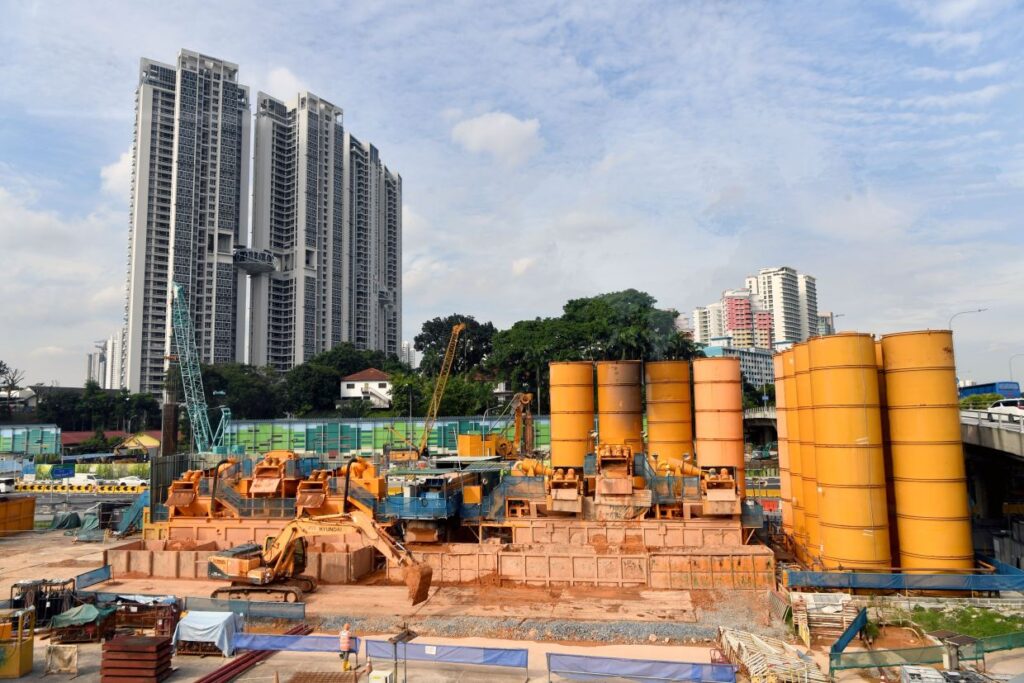
Picture by RDNE on pexels
Documentation Can Protect Both Parties
Before terminating a construction contract, parties should establish a clear documentary record.
| Area to check | What should be reviewed | Why it matters |
| Contractual right | Termination clause and grounds for termination | Establishes whether a right to terminate exists |
| Notices | Default notices, warning notices and termination notices | Shows whether contractual procedures were followed |
| Delay records | Programme updates, delay events and EOT submissions | Helps establish responsibility for delay |
| Payment records | Payment applications, certificates and payment responses | Helps determine whether payment obligations were breached |
| Performance records | Site reports, inspection records and correspondence | Provides evidence of non-performance or defective work |
| Cure period | Whether the required period to remedy a breach was provided | Failure to allow a required cure period may affect the validity of termination |
| Dispute procedure | Negotiation, mediation, adjudication or arbitration requirements | Helps ensure the parties follow the agreed dispute process |
Good documentation is particularly important where the underlying dispute involves delay, payment or defective work. A termination decision supported by contemporaneous records is generally easier to defend than one based primarily on informal communications or assumptions.
Preventing Disputes From Escalating
Termination doesn’t always end the dispute. Instead it’s possible that it creates a second layer of claims involving things such as damages, unpaid amounts, loss and expense, completion costs and the validity of the termination itself. This is where early dispute management becomes important. Parties should first examine the contract’s notice and dispute-resolution requirements before immediately moving towards litigation or arbitration.
Depending on the contract and circumstances, negotiation, mediation, adjudication, expert determination or arbitration may provide alternative routes. In Singapore, the Building and Construction Industry Security of Payment Act provides a statutory adjudication mechanism for qualifying payment disputes, while standard construction contracts may contain additional dispute-resolution procedures.
A Careful Approach to Termination
Termination can sometimes be necessary to protect a project, but it should not be treated as a shortcut for resolving a difficult contractual relationship. For employers, the priority is to establish that the contractor’s conduct meets the contractual threshold for termination and that all required notices and procedures have been followed. For contractors, it is equally important to assess whether an employer’s conduct genuinely gives rise to a right to terminate before abandoning the work.
Across international construction markets, including Singapore, the same underlying lesson applies: termination disputes construction projects can face are often made worse when parties act first and examine their contractual rights later. A careful review of the contract, supported by accurate project records and professional advice, can help employers and contractors protect their positions, reduce the risk of wrongful termination construction contracts, and prevent a difficult project from becoming a prolonged and costly dispute.
References
- Building and Construction Authority (BCA) – Standard Contract Forms https://www1.bca.gov.sg/growth-and-transformation/procurement/standard-contract-forms/
- Building and Construction Authority (BCA) – Security of Payment Act https://www1.bca.gov.sg/growth-and-transformation/procurement/procurement-and-legal-frameworks/security-of-payment-act/
- Singapore Statutes Online – Building and Construction Industry Security of Payment Act 2004
https://sso.agc.gov.sg/Act/BCISPA2004 - RICS – Termination of Contract, Corporate Recovery and Insolvency https://www.rics.org/profession-standards/rics-standards-and-guidance/sector-standards/construction-standards/black-book/termination-of-contract-corporate-recovery-and-insolvency
- BCA – Procurement and Legal Frameworks https://www1.bca.gov.sg/growth-and-transformation/procurement/procurement-and-legal-frameworks/
- Singapore Statutes Online – Building and Construction Industry Security of Payment Regulations https://sso.agc.gov.sg/SL/BCISPA2004-RG1