dk@dkoutsource.com

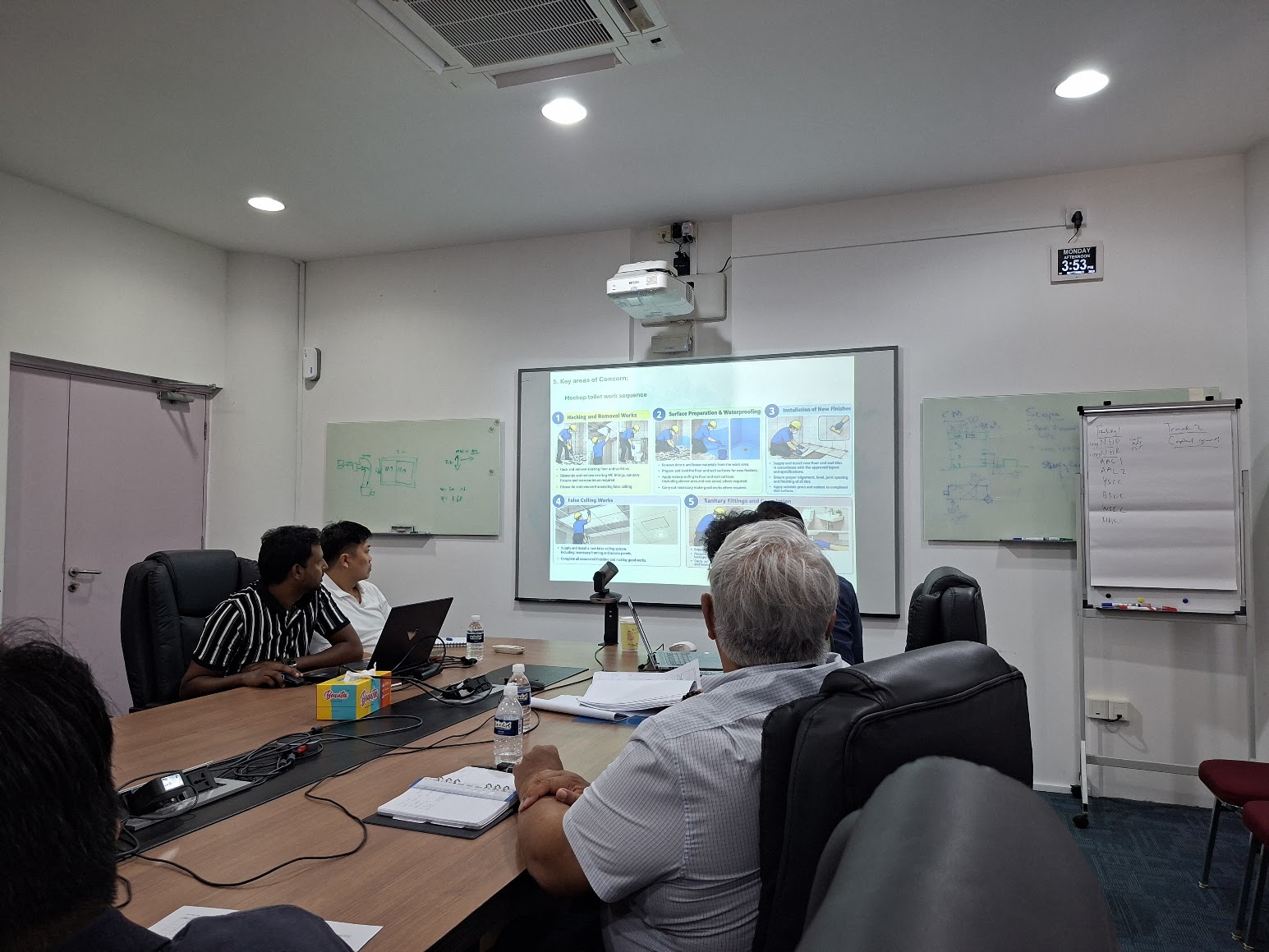
Summary: A construction project does not begin with the first tool picked up on site; it starts weeks or months earlier in pre-construction coordination meetings. Before physical work commences, project teams must align drawings, site logistics, work sequencing, supplier procurement, and potential operational risks. For a Quantity Surveyor (QS), this early phase is critical for clarifying project scope, evaluating the cost implications of site constraints, and preventing future variation disputes before work gets underway on site.
Getting the Blueprints Right: Scope & Architectural Clarity
- Shared Technical Understanding: Architectural drawings may appear straightforward on paper, but turning them into physical reality requires a detailed review of what must be built, removed, and integrated.
- Mitigating Variation Risks: From a QS perspective, drawings form the baseline for measuring, pricing, and monitoring project progress. Identifying ambiguities or gaps during early reviews allows teams to clarify details before they turn into costly variations or scope changes on site.
Navigating Live Site Constraints & Logistics
- Operating in Sensitive Environments: As highlighted during pre-construction discussions for a project at Sree Narayana Mission Yishun, managing site boundaries, barriers, and access requires special care when working within an operational care home.
- Commercial Impact of Site Restrictions: Construction planning must account for surrounding residents, staff, and visitors. For the commercial team, restricted access, protection barriers, and specialized working hours directly influence required resources, labour productivity, and overall project costs.
Work Sequencing & Subcontractor Procurement
- Programme & Trade Alignment: Coordinating specialist subcontractors, material lead times, and trade availability is essential to ensuring work sequences flow logically without site disruption.
- Commercial Implications of Schedule Shifts: Any alteration to the construction sequence or schedule can alter labor requirements, equipment duration, and resource quantities. Early coordination ensures procurement aligns cleanly with the overall project programme.
Proactive Risk Management: The QS Strategic Perspective
- Catching Small Details Early: Most major site disputes originate as small, unaddressed details during pre-construction planning.
- Aligning Cost Controls with Site Reality: Proactive quantity surveying extends far beyond measuring quantities; it connects cost data with actual construction methods, enabling teams to track changes, maintain contractual records, and manage commercial risks dynamically.