 dk@dkoutsource.com


The construction industry is becoming increasingly digital, and the way teams manage project information is changing. From design drawings and cost estimates to site instructions and revisions, construction professionals handle a large volume of documents throughout every project stage. As projects become more complex, traditional document management methods are creating challenges that slow down productivity and increase the risk of mistakes.
Smarter PDF workflows definition: refers to the use of digital tools and processes to create, review, mark up, share, track, and manage construction documents more efficiently throughout a project.
So, why are construction teams switching to smarter PDF workflows? The main reason is that they provide a faster, more accurate, and more collaborative way to manage construction documents. By going past using basic PDF viewing and instead getting advanced construction document management solutions, teams can improve communication, reduce errors, and on top of that, also ensure that everyone is working with the most up-to-date information.
The Limitations of Traditional Construction Document Management
One of the biggest problems with traditional workflows is the risk of outdated information. If a contractor or subcontractor uses an old drawing version, it can result in incorrect installations, delays, additional costs, and unnecessary rework. Hence why many companies are adopting digital construction workflows that allow teams to organise, update, and share project documents more efficiently.
| Traditional Document Management | Smarter PDF Workflows |
| Printed drawings and manual markups | Digital drawing markups |
| Multiple file versions | Centralised document control |
| Email-based document sharing | Real-time collaboration |
| Difficult revision tracking | Clear revision history |
| Risk of outdated drawings | Easier access to current documents |
| Manual measurements | Digital takeoffs |
| Information spread across different locations | Project information accessible from one platform |
Improving Construction Project Collaboration
A major reason behind the adoption of smarter PDF workflows is improved collaboration between project stakeholders. Construction projects require constant communication between architects, engineers, contractors, consultant quantity surveyors, and site teams. When information is scattered across emails, shared drives, or physical documents, important updates can easily be missed.
Modern construction software allows teams to review drawings, add comments, track revisions, and share updates within a centralised platform. This creates better visibility across the project and helps ensure that everyone is making decisions based on the same information.
For example, platforms such as Bluebeam have become widely used within the construction industry because they allow professionals to mark up drawings, manage reviews, and collaborate directly within PDF documents. Instead of relying on separate communication channels, teams can keep discussions connected to the relevant project information. This type of construction project collaboration helps reduce misunderstandings and allows issues to be resolved before they affect project timelines.
Reducing Errors and Improving Project Accuracy
Another important reason construction teams are moving toward smarter PDF workflows is the ability to improve accuracy. Construction mistakes are often caused by miscommunication, missing information, or outdated documents. When multiple versions of drawings exist, teams may struggle to identify which file contains the latest changes.
Smarter digital workflows provide better document control by allowing users to track revisions, compare changes, and maintain a clear record of project updates. This improves accountability and reduces the chances of costly mistakes.
For contractors and consultants, improved accuracy means fewer delays, less rework, and better control over project budgets. In an industry where small errors can create significant financial impacts, better information management provides a major advantage.
Faster Estimating Through Digital Takeoffs
Estimating is another area where smarter PDF workflows are creating significant improvements.
Traditional estimating processes often involve manually measuring drawings and recording quantities, which can take considerable time and effort. As project deadlines become shorter, estimators need tools that allow them to work faster while maintaining accuracy.
Modern digital takeoffs allow estimators to measure quantities directly from digital drawings and update calculations more efficiently when project changes occur. Tools such as PlanSwift have helped construction professionals streamline the estimating process by reducing manual measurement work and improving consistency. By combining accurate digital measurements with better document management, construction teams can prepare more reliable estimates and respond more quickly to changing project requirements.
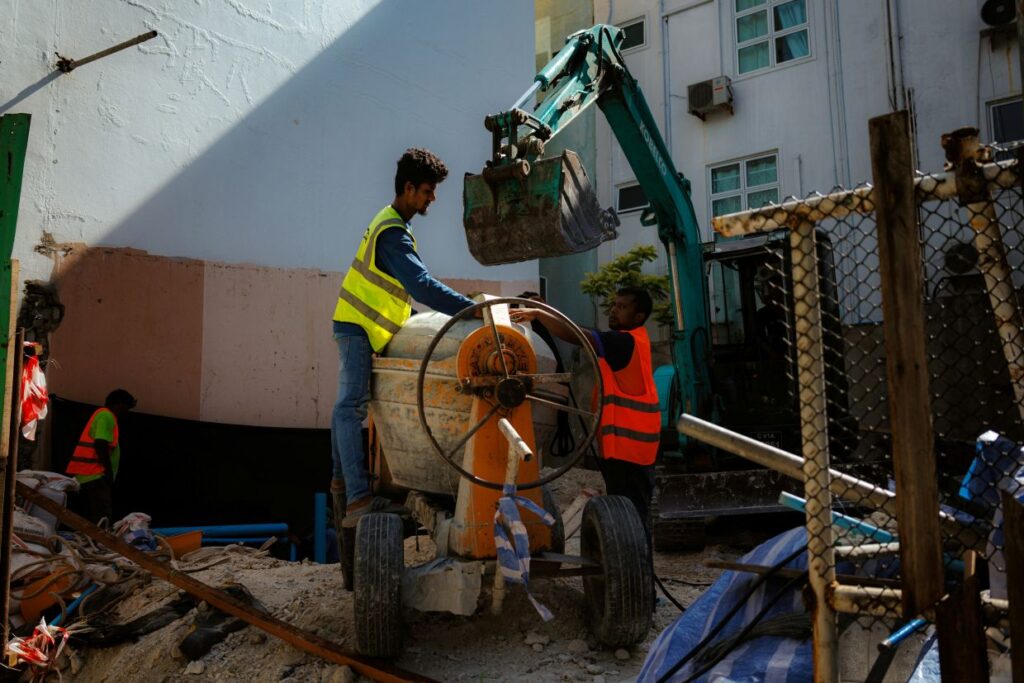
Picture by Infinara on Unsplash
The Growing Role of AI in Construction Workflows
The development of artificial intelligence is also influencing how construction teams manage documents and drawings. AI in construction is helping companies automate repetitive tasks, analyse information faster, and improve decision-making during early project stages. Instead of spending large amounts of time manually reviewing drawings, teams can use AI-powered solutions to support tasks such as drawing analysis and quantity identification.
Platforms such as Bluebeam demonstrate how artificial intelligence is becoming part of modern construction technology. These solutions help teams accelerate certain estimating and review processes, allowing professionals to spend more time on strategic decisions rather than repetitive manual tasks. Even though technology doesn’t replace construction expertise, it provides teams with additional tools which then in turn helps them to improve efficiency and productivity.
Supporting Faster and More Flexible Project Delivery
Construction projects today require teams to be more connected and responsive. Project managers may work from offices, while supervisors and contractors operate on-site. Having immediate access to accurate documents is essential for keeping work moving.
Smarter PDF workflows allow project information to be accessed, reviewed, and updated from different locations. This flexibility supports faster decision-making and helps teams respond quickly when changes occur. As construction continues to adopt more advanced digital solutions, companies that improve their document processes will be better positioned to manage increasingly complex projects.
Conclusion
Construction teams are switching to smarter PDF workflows because they provide better collaboration, improved accuracy, faster estimating, and stronger control over project information. Traditional document processes are no longer sufficient for managing the speed and complexity of modern construction projects.
By adopting digital construction workflows, companies can reduce errors, improve communication, and create more efficient ways of working. Software technologies represent different aspects of this shift from document collaboration and digital takeoffs to AI-powered construction processes. Ultimately, smarter PDF workflows are becoming an essential part of modern construction technology as they help teams deliver projects more efficiently, accurately, and successfully.
References
- Autodesk. (2024). Digital Builder Ep 72: Master document management & collaboration – Insights from experts. Retrieved from https://www.autodesk.com/blogs/construction/digital-builder-ep-72-master-document-management-collaboration-insights-from-experts/
- Autodesk. (2022). Optimize construction project management workflows with the cloud. Retrieved from https://construction.autodesk.com/resources/document-management/optimise-construction-project-management-workflows-with-the-cloud/
- Procore. (2025). Control the chaos: Standardising document workflows in construction projects. Retrieved from https://www.procore.com/en-gb/library/standardising-document-workflows-construction
- Space AI. (2026). Construction document management: The complete guide for modern projects. Retrieved from https://pmspace.ai/blogs/construction-document-management-complete-guide