dk@dkoutsource.com


Summary: The construction industry has traditionally relied on contracts that clearly divide responsibilities, risks and remedies between parties. But complex projects can turn that separation into disputes when unexpected costs, delays or design issues arise. Singapore is gradually moving towards a more collaborative approach through the PSSCOC collaborative contracting Option Module, which encourages early risk identification, partnering and joint problem-solving. This article looks at what is changing, why it matters, and how the approach compares with collaborative contracting developments internationally.
What Is Collaborative Contracting?
The Building and Construction Authority (BCA) describes collaborative contracting as an approach that encourages mutual trust, early risk identification and teamwork, supported by mechanisms such as risk sharing, open communication and joint problem-solving.
Collaborative contracting: a project delivery approach where parties work towards shared project objectives rather than treating every issue as a potential contractual battle. – BCA
The Public Sector Standard Conditions of Contract (PSSCOC) is Singapore’s standardised contract form for public sector construction projects. It provides consistent contract terms and allows progressive contractual practices, including fairer allocation of risks, to be introduced.
The shift towards collaboration does not mean contractual rights disappear. Instead, the contract is structured to encourage parties to identify and resolve problems before they become formal disputes.
From Contractual Positions to Common Goals
Traditional construction contracts can create a clear divide: the employer protects its interests, the contractor protects its entitlement, and consultants administer the contract. When an unforeseen event occurs, the immediate question can become who should bear the cost.
BCA’s PSSCOC Option Module E introduces collaborative provisions designed to encourage greater cooperation and mutual trust. The module can be used with PSSCOC Construction Works contracts, with versions available both with and without the Singapore Infrastructure Dispute-Management Protocol (SIDP).
How Does the PSSCOC Collaborative Approach Work?
The shift has three practical effects:
- Earlier risk identification: Parties are encouraged to notify each other of emerging risks so that mitigation can begin before the problem grows.
- Partnering workshops: Key officers from the employer, contractor and relevant supply-chain participants can work together to establish a collaborative working environment.
- Structured dispute avoidance: Issues can be addressed through defined processes, including independent third-party involvement where applicable.
BCA identifies six key principles within its collaborative contracting approach, including mutual trust and cooperation, partnering workshops, structured dispute avoidance, early notification, proactive project management and performance incentives.
This creates an important role for project records. Early warnings, meeting minutes, risk registers, notices and decisions become more than administrative paperwork. They provide a shared record of what was identified, when it was identified and what action was agreed.
Why Does This Matter for Cost and Delay?
Construction disputes often develop from issues that were not addressed early enough. A design uncertainty may become a variation; a variation may affect programme and cost; and disagreement over responsibility may eventually become a claim.
BCA reported that early feedback from pilot projects, including the Ministry of Health’s Punggol Field Nursing Home project, indicated stronger collaboration and earlier completion. The parties reportedly attributed this to early risk identification and clear response timelines.
This does not mean every project using collaborative contracting will avoid disputes or finish early. Rather, the contractual framework creates mechanisms for parties to address issues collectively before they escalate.
For consultant quantity surveyors, this can also change the emphasis from simply measuring entitlement to helping the project team understand the cost consequences of emerging risks, changes and mitigation measures.

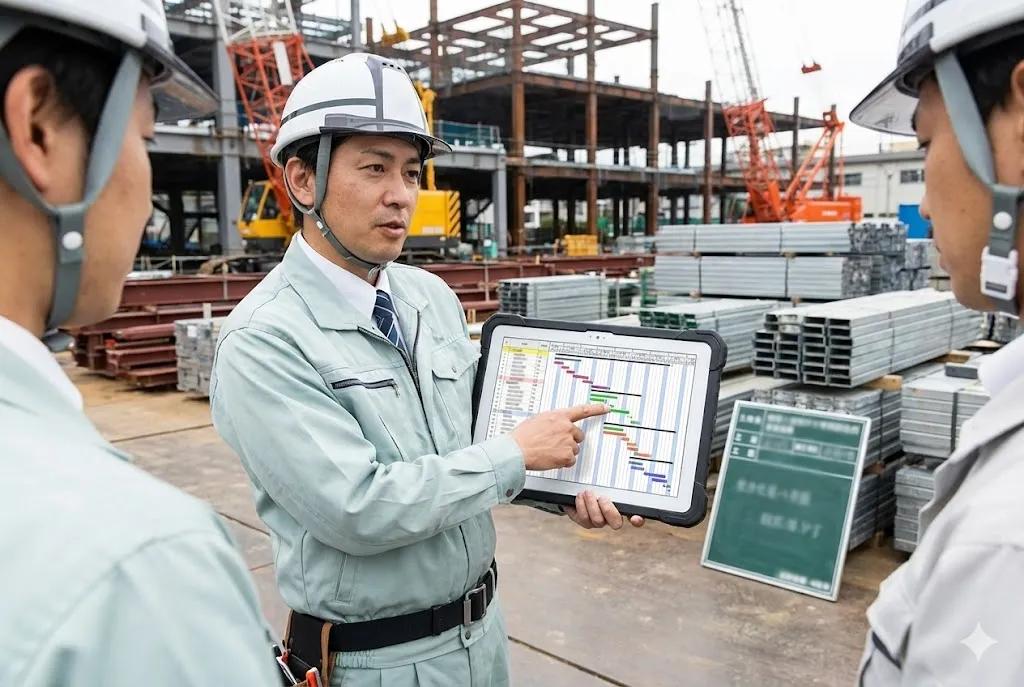
Picture by hln on Pexels
Singapore’s Shift in a Wider International Context
Singapore is not moving in isolation. The international construction sector has experimented with collaborative models for years.
The UK’s NEC4 suite, for example, places strong emphasis on mutual trust, cooperation and proactive project management. Its target-cost options can also allow parties to share cost savings or overruns.
Australia has extensive experience with alliance contracting, where government clients and private suppliers work as an integrated team and jointly manage key project delivery matters.
The distinction is important: collaborative contracting does not necessarily mean using an alliance contract. Singapore’s PSSCOC approach demonstrates how collaborative principles can be incorporated into an established standard contract instead.
Conclusion
For construction professionals, the direction is therefore broader than a single contract clause. It points towards a different way of managing risk: identify it earlier, communicate it clearly and resolve it before positions harden. The move from adversary to ally is ultimately not about removing contractual protection. It is about using the contract to create better conditions for cooperation while maintaining accountability, transparency and proper records.
Frequently Asked Questions
What is PSSCOC?
Answer: PSSCOC, or the Public Sector Standard Conditions of Contract, is Singapore’s standardised contract form for public sector construction projects. It is available for construction works, design and build, and other project requirements.
What is PSSCOC Option Module E?
Answer: Option Module E is a set of collaborative contracting provisions that can be used with PSSCOC Construction Works. BCA currently lists versions with and without SIDP as being under pilot.
Does collaborative contracting eliminate construction disputes?
Answer: No. It is designed to encourage earlier identification, management and resolution of issues. Formal contractual rights and dispute mechanisms still remain important.
What are partnering workshops?
Answer: Partnering workshops bring key project participants together to establish a more collaborative working environment and improve communication. They are one of the mechanisms incorporated into Singapore’s collaborative contracting approach.
Is NEC4 the same as PSSCOC collaborative contracting?
Answer: No. NEC4 is a separate international contract suite. Singapore has adapted NEC4 with local clauses, while PSSCOC collaborative contracting uses collaborative provisions within the existing PSSCOC framework.
Does collaborative contracting mean the contractor and employer share all risks?
Answer: Not necessarily. The exact allocation depends on the contract and its selected provisions. Collaborative contracting generally aims for more proactive and appropriate risk management rather than simply transferring risk from one party to another.
References
- Building and Construction Authority (BCA) – Collaborative Contracting https://www1.bca.gov.sg/growth-and-transformation/procurement/progressive-procurement-approaches/collaborative-contracting/
- Building and Construction Authority (BCA) – Public Sector Standard Conditions of Contract (PSSCOC) https://www1.bca.gov.sg/growth-and-transformation/procurement/standard-contract-forms/public-sector-standard-conditions-of-contract-psscoc/
- Building and Construction Authority – NEC4 Contract https://www1.bca.gov.sg/growth-and-transformation/procurement/standard-contract-forms/nec4-contract/
- ISO – ISO 44001 Collaborative Business Relationship Management Systems https://www.iso.org/standard/72798.html
- NEC Contracts – NEC4 Alliance Contract https://www.neccontract.com/news/new-nec4-alliance-contract-alc
- BCA – Progressive Procurement Approaches https://www1.bca.gov.sg/growth-and-transformation/procurement/progressive-procurement-approaches/
- Australian Government – National Guidelines for Infrastructure Project Delivery https://www.infrastructure.gov.au/infrastructure-transport-vehicles/infrastructure-investment-project-delivery/national-guidelines-infrastructure-project-delivery