dk@dkoutsource.com


Managing project costs is a critical responsibility for any project team, as it ensures quality outcomes are delivered on time and within budget. Cost overruns can severely reduce profitability, delay project delivery, strain stakeholder relationships, and damage future business opportunities. Effective cost control strategies involves thoroughly estimating, budgeting, and managing costs throughout the entire project lifecycle. By implementing robust cost control strategies, teams can maintain financial governance, improve resource allocation, and minimize unexpected expenses.
Here are the essential strategies every project team should adopt to ensure financial success:
Establish a Realistic Cost Baseline
A well-defined budget serves as a benchmark for measuring financial performance and setting realistic stakeholder expectations. Cost estimates should be grounded in historical project data, current market conditions, resource availability, and potential risks. Crucially, a comprehensive budget must include contingency reserves, allowing teams to navigate unforeseen challenges without jeopardizing financial stability.
Monitor Costs Continuously
Waiting until a project ends to review its financial performance leaves no room to correct mistakes. Project managers must continuously compare actual expenditures—including labor, procurement, invoices, and equipment utilization—against planned budgets to identify cost variances early.
Project cost control is the process of planning, predicting and controlling the costs of building(s). Takes place throughout the duration of the construction project. -RICS
Utilizing modern project management software provides real-time dashboards and automated reporting, allowing teams to respond swiftly before costs escalate.
Use Earned Value Management (EVM)
EVM is a highly effective, data-driven methodology that integrates scope, schedule, and cost data to provide a holistic view of a project’s financial health. By objectively comparing planned work with completed work and actual spending, EVM helps project managers forecast outcomes and identify potential budget or schedule issues before they become major problems.
Control Scope Changes Carefully
“Scope creep” remains one of the leading causes of budget overruns. To maintain financial control, every proposed change to deliverables or requirements must be evaluated for its impact on cost, schedule, and resources before it is approved. Implementing a structured change management process and establishing clear approval workflows ensures that all stakeholders understand the financial implications of scope modifications.

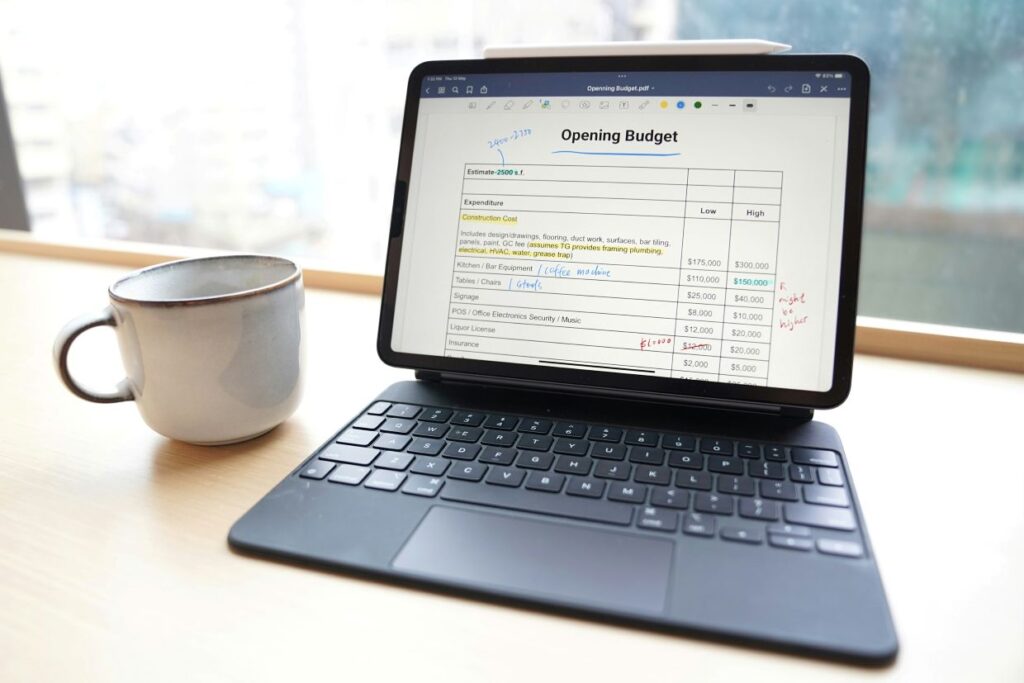
Picture by Towfiqu barbhuiya
Optimise Resource Utilisation
Because labor and resources typically make up the largest portion of project expenses, efficient allocation is vital. Project managers should assign resources based on skill level, availability, and shifting project priorities to maximize output and minimize waste. Regularly reviewing workforce allocation and equipment usage boosts overall productivity and helps maintain the budget.
Leverage Technology for Financial Visibility
Advanced digital project management platforms and Project Controls systems are essential for modern cost management. These tools provide real-time insights, automate routine financial reporting, reduce administrative burdens, and centralize project data. Investing in this technology improves stakeholder collaboration and enables data-driven decision-making.
Proactively Manage Risks
Unexpected events like supply chain disruptions, labor shortages, design modifications, or market fluctuations can quickly derail a budget. Rather than reacting to issues after they occur, teams should continuously assess risks throughout the project lifecycle. Utilizing risk registers, contingency planning, and regular project reviews helps identify potential threats early and develop effective mitigation strategies.
The Bottom Line
Strong project cost control strategies are essential for protecting profitability and maintaining stakeholder confidence. By prioritizing proactive risk management, continuous monitoring, and structured scope control, organizations gain greater visibility into project performance and significantly reduce financial uncertainty. Ultimately, effective cost control is more than a project management best practice—it is a critical driver of long-term business success in a competitive environment.
References
- Association for Project Management (APM). What is Project Cost Planning and Control?
https://www.apm.org.uk/resources/what-is-project-management/what-is-project-cost-planning-and-control/ - Project Management Institute (PMI). Cost Management for Project Managers
https://www.pmi.org/learning/library/2019/04/07/15/36/cost-management-project-managers-enterprises-7722 - Project Management Institute (PMI). Top Five Causes of Scope Creep and What to Do About Them https://www.pmi.org/learning/library/top-five-causes-scope-creep-6675